
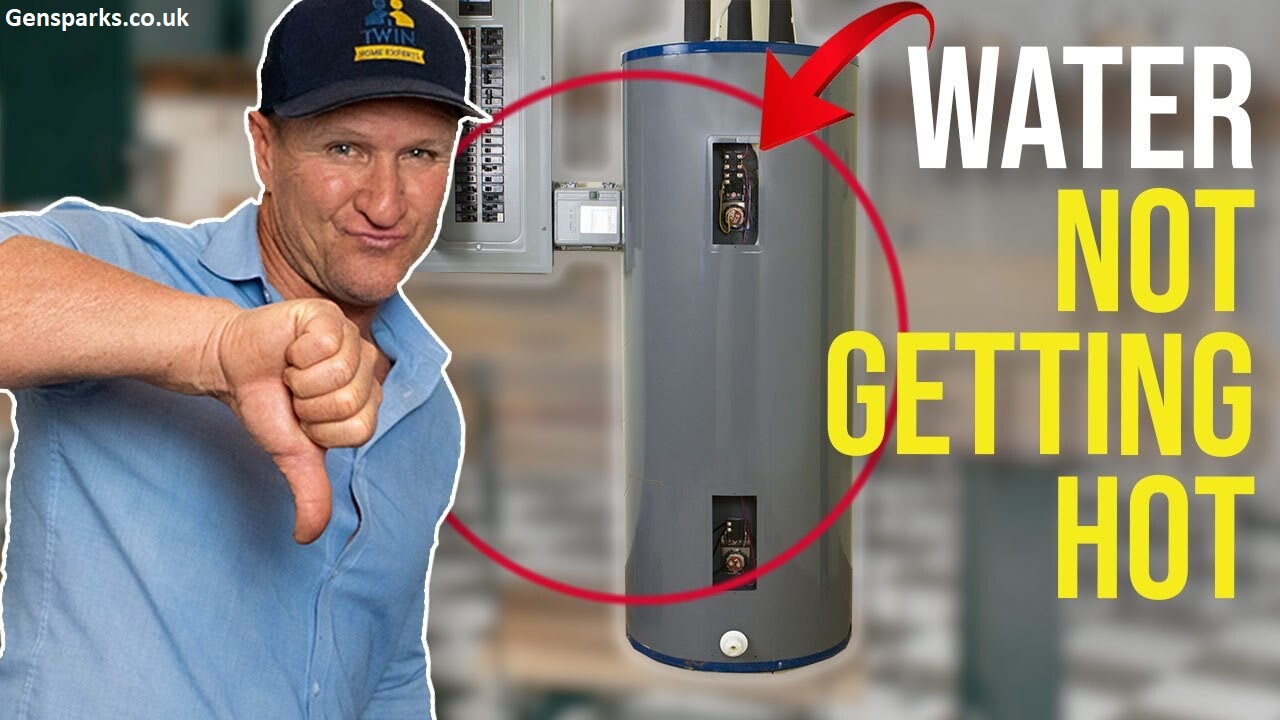

Why Is My Hot Water Not Working? If your hot water has suddenly stopped working, several common issues could be to blame.
For electric water heaters, a tripped circuit breaker or burned-out heating element is often the culprit.
Gas water heaters may suffer from a pilot light outage or faulty thermocouple.
A malfunctioning thermostat, sediment buildup inside the tank, or a broken dip tube can also prevent proper heating.
In some cases, the water heater may simply be too old or undersized for household demand. Identifying whether you have a gas or electric unit is always the crucial first troubleshooting step.
It was a Sunday morning, 6:45 AM. I stepped into the shower, half-asleep, expecting that usual blast of warm water — and got hit with what felt like melted glacier water instead.
I stood there for a full two seconds just waiting, hoping it was just slow to heat up. It wasn’t.
Table of Contents
Quick Table
| # | Cause | What to do | Heater type | DIY or pro? |
|---|---|---|---|---|
| 1 | Tripped circuit breaker | Check the breaker panel and reset the tripped switch | Electric | DIY |
| 2 | Burned-out heating element | Test with a multimeter; replace the faulty element | Electric | DIY |
| 3 | Pilot light out | Relight the pilot following the manufacturer’s instructions | Gas | DIY |
| 4 | Faulty thermocouple | Replace the thermocouple — it stops gas flow when pilot fails | Gas | DIY |
| 5 | Broken thermostat | Check thermostat setting; replace if not responding to adjustments | Both | DIY |
| 6 | Sediment buildup in tank | Flush the tank to clear mineral deposits affecting heating efficiency | Both | DIY |
| 7 | Broken dip tube | Cold water mixes with hot — replace the dip tube inside the tank | Both | Pro |
| 8 | Gas supply issue | Check if other gas appliances work; contact gas provider if not | Gas | Pro |
| 9 | Undersized water heater | Reduce simultaneous hot water usage or upgrade to a larger unit | Both | Pro |
| 10 | Old or failing unit | Units over 10–12 years old often need full replacement | Both | Pro |
Why Is My Hot Water Not Working?
If your hot water has suddenly stopped working, several common issues could be to blame. For electric water heaters, a tripped circuit breaker or burned-out heating element is often the culprit.
Gas water heaters may suffer from a pilot light outage or faulty thermocouple.
A malfunctioning thermostat, sediment buildup inside the tank, or a broken dip tube can also prevent proper heating.
In some cases, the water heater may simply be too old or undersized for household demand. Identifying whether you have a gas or electric unit is always the crucial first troubleshooting step.
First, Don’t Panic — It’s Usually One of Five Things
Before you call a plumber or start Googling “replace water heater cost,” take a breath. In my experience, and after talking to a few people in home repair forums (shoutout to the r/Plumbing community), the problem is almost always one of these five things:
- The water heater pilot light went out (gas heaters)
- A tripped circuit breaker (electric heaters)
- A broken heating element (electric heaters)
- A faulty thermostat on the heater
- A problem with your water supply or pipes
Let me break each one down with what to actually do.
Check the Pilot Light First (Gas Water Heaters)
This was my problem that Sunday morning. My water heater is a gas unit — a Rheem 40-gallon tank-style heater — and the pilot light had simply gone out overnight. No idea why. Could’ve been a brief gas pressure dip, a draft, anything really.
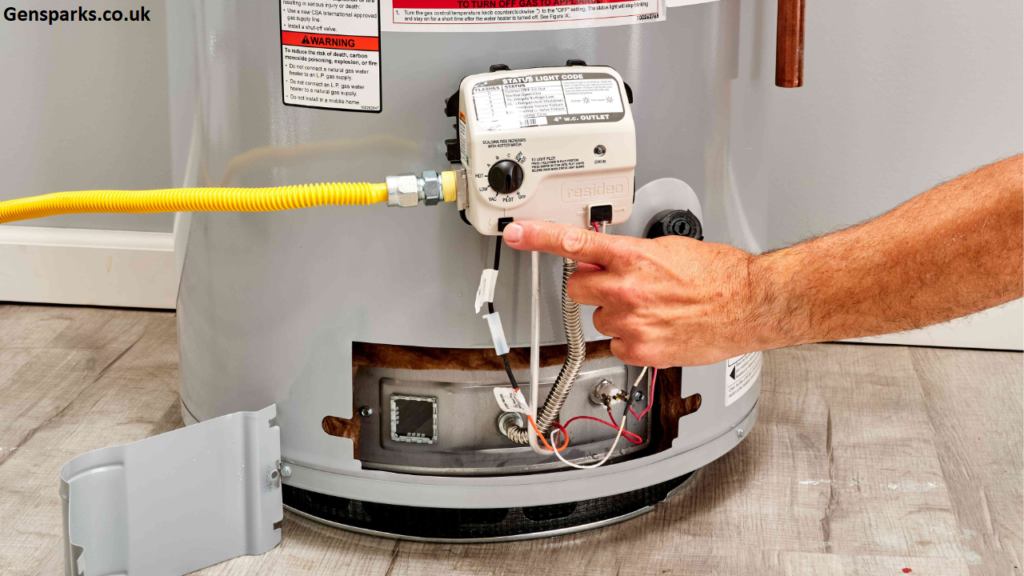
How to check it:
- Look at the bottom of your water heater for a small window or access panel.
- If you see no flame at all, the pilot is out.
- Most heaters have a relight instruction label stuck right on the unit — follow that.
How to relight it (general steps):
- Turn the gas control knob to “OFF” and wait at least 5 minutes. This lets any lingering gas clear out.
- Turn the knob to “PILOT.”
- Press and hold the pilot button (or the knob itself on some models).
- While holding it, use a long lighter or built-in igniter to light the pilot.
- Keep holding the button for about 30–60 seconds after it lights — this heats the thermocouple, which is what keeps the flame alive.
- Slowly release the button. If the flame stays, you’re good. Turn the knob to your desired temperature setting.
If it won’t stay lit after two or three tries, your thermocouple is probably worn out. That’s a cheap part — usually $10–20 — and pretty easy to swap out if you’re even a little handy.
I replaced mine myself using a YouTube tutorial and a basic wrench.
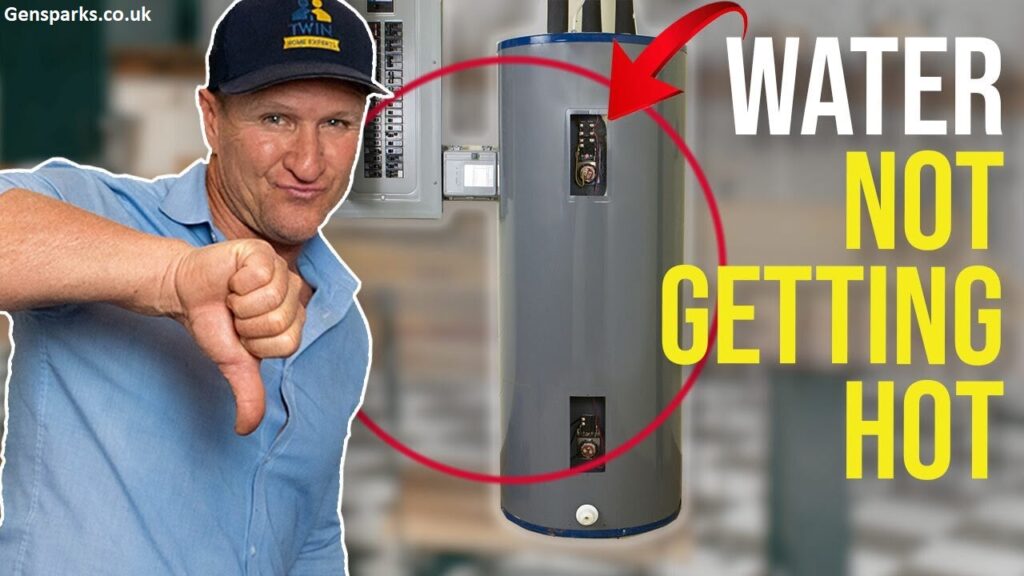
Check Your Circuit Breaker (Electric Water Heaters)
If you have an electric water heater, head straight to your electrical panel. This is embarrassingly simple, but I’ve seen people call plumbers for this exact issue.
- Find the breaker labeled “Water Heater” (sometimes just “WH” or “HWH”).
- If it’s tripped, it’ll be in the middle position — not fully ON, not fully OFF.
- Flip it fully OFF, then back ON.
Wait 30–45 minutes and check your hot water again. Electric heaters take time to heat a full tank.
Why does the breaker trip?
Usually it means the heater pulled more power than normal, often because a heating element is starting to fail. If it trips again within a day or two, that’s a sign you need to look at the heating elements.
The Heating Element Is Dead (Electric Heaters)
This is the most common reason electric water heaters stop working, and it’s what happened to my neighbor’s unit last winter.
She had lukewarm water — not totally cold, just never fully hot. Classic sign of one element failing while the other still works.
Most electric water heaters have two heating elements: one near the top, one near the bottom. If the bottom element dies, you get lukewarm water. If the top one dies, you get almost nothing.
Testing and replacing a heating element:
- Turn off power to the heater at the breaker.
- Shut off the cold water supply valve at the top of the heater.
- You’ll need a multimeter to test if the element has continuity. No continuity = dead element.
- Elements are sold at any hardware store (Home Depot, Lowe’s) for $15–30.
- Replacement is doable for a confident DIYer, but involves draining part of the tank. If that sounds overwhelming, it’s a reasonable $100–150 job for a plumber.
Thermostat Is Set Wrong or Broken
This one gets overlooked. Water heaters have thermostats — sometimes two (upper and lower) on electric models — and they can get bumped, malfunction, or just fail over time.
Check the setting first. The thermostat dial is usually behind the same access panel as the heating elements.
It should be set between 120°F and 140°F. If someone accidentally turned it way down (kids, guests, whoever), that’s your answer.
If the setting is fine but you’re still getting cold water, the thermostat itself may have failed. They’re inexpensive to replace but do require turning off the power and draining the tank.
One thing I didn’t know until recently:
There’s a reset button on most electric water heaters — a red button on the upper thermostat. It’s a thermal cutoff switch, and it trips if the water gets dangerously hot. Press it once.
If it clicks, that may solve your problem immediately. Seriously, try this before anything else on an electric heater.
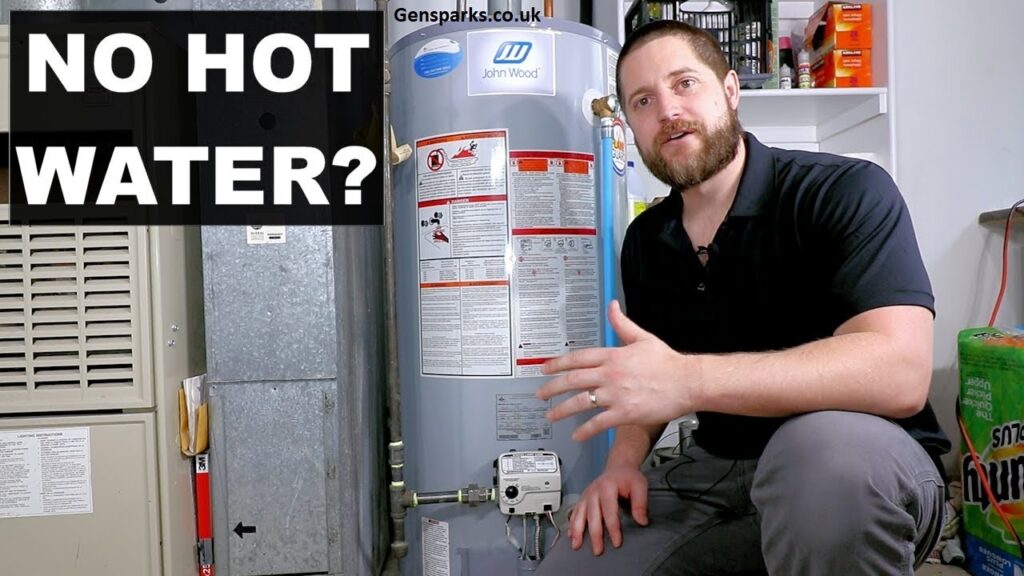
It Might Not Even Be Your Water Heater
Here’s something that took me way too long to figure out: sometimes the heater is fine, and the problem is somewhere else entirely.
Check these things:
- Is it just one faucet or fixture? If only one spot in your house has no hot water, the mixing valve in that faucet or shower could be broken — not the heater itself.
- Is it all hot water everywhere? Then the heater is the suspect.
- Are your pipes in an unheated space? In winter, pipes in crawl spaces, garages, or exterior walls can freeze or slow water flow. I learned this the hard way when my outdoor utility sink lost pressure.
- Did someone recently do work on your water lines? Shutoff valves sometimes don’t get fully reopened, restricting hot water flow.
How Old Is Your Water Heater?
This is a question worth asking. Standard tank-style water heaters last about 8–12 years. Tankless units can go 15–20 years with maintenance.
You can usually find the manufacture date on the serial number label.
The format varies by brand, but for most major brands like A.O. Smith, Bradford White, or Rheem, the first four digits of the serial number indicate the year and week of manufacture.
If your heater is 10+ years old and suddenly giving you problems, you might be better off replacing it than chasing repairs.
Efficiency also drops significantly with age, so a new unit could actually save you money on energy bills.
Common Mistakes I Made (So You Don’t Have To)
- Mistake #1: Skipping the reset button. On electric heaters, always press that red reset button first. I spent 20 minutes draining my neighbor’s tank before someone mentioned it. One click fixed everything.
- Mistake #2: Not waiting long enough after relighting the pilot. The first time I relit a pilot, I released the button too early and the flame went right back out. You have to hold it for a full minute or more to heat the thermocouple. It feels awkward but it matters.
- Mistake #3: Assuming the worst immediately. Hot water issues sound dramatic but they’re usually cheap and fast to fix. I almost bought a whole new heater because I was panicking. Glad I didn’t.
- Mistake #4: Forgetting the sediment buildup issue. If your water heater is older and makes rumbling or popping sounds while heating, that’s sediment buildup at the bottom of the tank. It insulates the water from the heating element and tanks your efficiency. Flushing the tank once a year prevents this — but if you’ve never done it, a good flush might actually restore some heating performance.
When To Actually Call a Plumber
Look, not everything is DIY territory. Call a licensed plumber or HVAC tech if:
- You smell gas near your water heater and relighting doesn’t work.
- Your tank is leaking water from the bottom.
- The pressure relief valve is discharging water.
- You’ve replaced elements and it’s still not working.
- Your heater is more than 10 years old and keeps having issues.
Gas-related problems especially — don’t mess around. The relight procedure is safe if done correctly, but if you ever smell strong gas or suspect a leak, get out and call your gas company.
FAQ’s
Why is my hot water not working suddenly?
Sudden hot water loss is most commonly caused by a tripped circuit breaker, an extinguished pilot light, or a failed heating element. Check your breaker panel or pilot light first before calling a plumber — these are quick, free fixes most homeowners can handle themselves.
Why do I have no hot water but my boiler is working fine?
If your boiler is running but hot water isn’t reaching your taps, the issue likely lies with a faulty diverter valve, a broken thermostat, or sediment buildup inside the tank blocking proper heat transfer.
How long does it take for hot water to come back?
A fully recovered electric water heater typically takes 60 to 90 minutes. Gas water heaters recover faster, usually within 30 to 40 minutes. Tankless units deliver hot water almost instantly once the underlying issue is resolved.
Can I fix my hot water heater myself?
Many common issues — resetting a breaker, relighting a pilot light, flushing sediment, or replacing a thermostat — are straightforward DIY repairs. However, gas line problems, broken dip tubes, and full unit replacements should always be handled by a licensed plumber.
When should I replace my water heater instead of repairing it?
If your water heater is over 10 to 12 years old, requires frequent repairs, or shows signs of rust and corrosion, replacement is almost always more cost-effective than continued repairs. A new unit also delivers better energy efficiency and reliability.
Conclusion
Losing access to hot water is one of the most disruptive household problems you can face, but in most cases the solution is simpler than you think.
Whether the culprit is a tripped breaker, a burned-out heating element, an extinguished pilot light, or stubborn sediment buildup, understanding the root cause is always the most important first step.
The key is knowing your water heater type.
Electric and gas units fail in different ways, and approaching the wrong system with the wrong fix wastes valuable time. Always start with the simplest checks — breaker panel, pilot light, thermostat settings — before assuming the worst.
Many hot water problems are genuine DIY fixes that cost nothing but a few minutes of your time.
However, gas supply issues, broken dip tubes, and aging units over a decade old are best left to a licensed professional.
Attempting complex repairs without experience can turn a minor problem into a costly one.
The good news is that with the right diagnosis, most homes can have hot water restored within the same day.
Act early, troubleshoot systematically, and never ignore warning signs like rust, leaks, or strange noises from your water heater.