
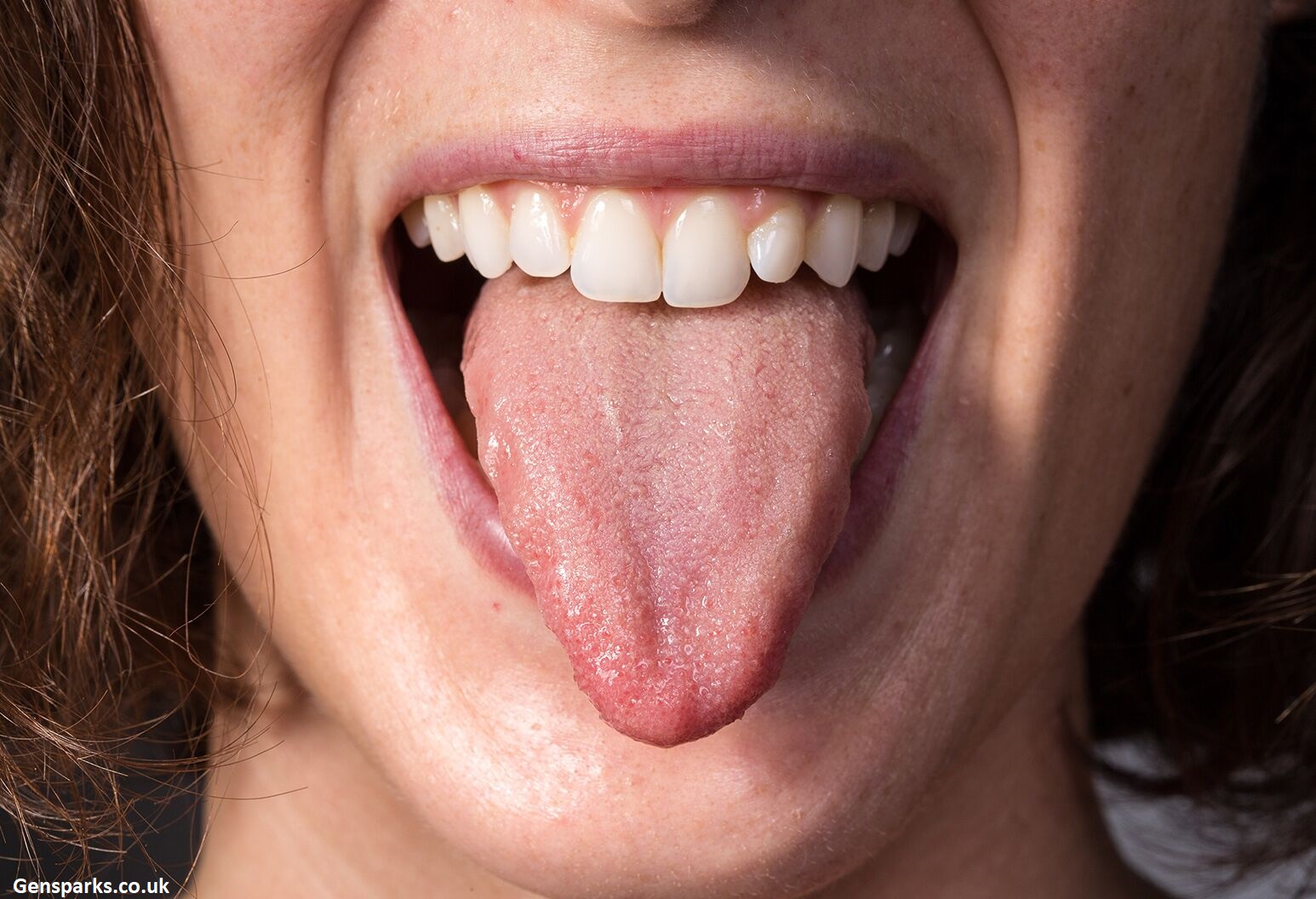

Why Is My Tongue Swollen and Sore on the Sides?A swollen, sore tongue on the sides usually comes down to a handful of common culprits.
Teeth grinding at night is one of the biggest — your tongue presses against your teeth while you sleep without you realizing it.
Canker sores, minor bites, or burns from hot food are also frequent causes. Sometimes it’s a reaction to acidic or spicy foods, dehydration, or even a vitamin B12 or iron deficiency.
Oral thrush, especially after antibiotics, can cause soreness too. Most cases clear up with salt water rinses and rest. If it lingers beyond two weeks, see a doctor.
A couple of years ago, I woke up on a Sunday morning with a tongue that felt like it had been scraped against a cheese grater overnight.
The sides were puffy, tender to the touch, and sitting against my teeth in a way that made every bite of toast feel like a small punishment.
Table of Contents
Quick Table
| Cause | Key Sign | Fix |
|---|---|---|
| Teeth grinding (bruxism) | Scalloped edges on sides | Night guard from dentist |
| Canker sores | Small white/yellow ulcers | Salt water rinse, OTC gel |
| Food reaction (spicy/acidic) | Starts after eating | Avoid triggers, drink water |
| Dehydration | Dry mouth, rough texture | Drink more water |
| Vitamin B12 / Iron deficiency | Smooth, pale tongue | Blood test, supplements |
| Oral thrush | White patches, after antibiotics | Antifungal treatment |
| Trauma / bite / burn | One-sided, sudden onset | Cold water, let it heal |
| Sharp/broken tooth | One side only, chronic | Dentist visit |
| Medication side effect | Started with new medication | Talk to your doctor |
Why Is My Tongue Swollen and Sore on the Sides?
A swollen, sore tongue on the sides usually comes down to a handful of common culprits.
Teeth grinding at night is one of the biggest — your tongue presses against your teeth while you sleep without you realizing it.
Canker sores, minor bites, or burns from hot food are also frequent causes. Sometimes it’s a reaction to acidic or spicy foods, dehydration, or even a vitamin B12 or iron deficiency.
Oral thrush, especially after antibiotics, can cause soreness too. Most cases clear up with salt water rinses and rest. If it lingers beyond two weeks, see a doctor.
The Most Common Reasons Your Tongue Is Swollen and Sore on the Sides
The sides of the tongue are particularly vulnerable because that’s where your tongue presses against your teeth, sits against food, and gets the most friction.
When something goes wrong — inflammation, infection, injury — the sides are often the first to show it.
Teeth grinding (bruxism)
Your tongue presses against teeth during sleep. The sides get scalloped and sore without you realizing it.
Canker sores
Small ulcers that pop up on the sides — painful, annoying, usually harmless. Often stress or food-triggered.
Food allergy or reaction
Certain foods cause immediate or delayed swelling — especially acidic, spicy, or allergenic items.
Oral thrush or infection
Fungal or bacterial overgrowth, often after antibiotics. The sides can look white or feel raw.
Dehydration
A dry mouth creates friction and inflammation. Your tongue literally swells slightly when chronically dry.
Medication side effects
ACE inhibitors, some blood pressure meds, and NSAIDs can all cause tongue swelling as a side effect.
Let me tell you about bruxism — because it got me
In my case, the culprit was nighttime teeth grinding. I had no idea I was doing it. My partner eventually pointed out I’d been clenching my jaw in my sleep during a particularly stressful work period.
My tongue was pressing so hard against my molars at night that the sides were literally getting indented and irritated.
If you look in the mirror and see a scalloped edge on your tongue — like little scallop shell indentations along the sides — that’s a classic bruxism tell. It took a dentist pointing this out for me to finally connect the dots.
Quick self-checkLook at your tongue in bright light. Scalloped edges (wavy indentations matching your teeth) almost always mean you’re pressing your tongue against your teeth — often during sleep or stress.
Red, raw patches on the sides suggest friction or ulceration.
Other Causes That Are Easy to Miss
Deficiencies in B12 or iron
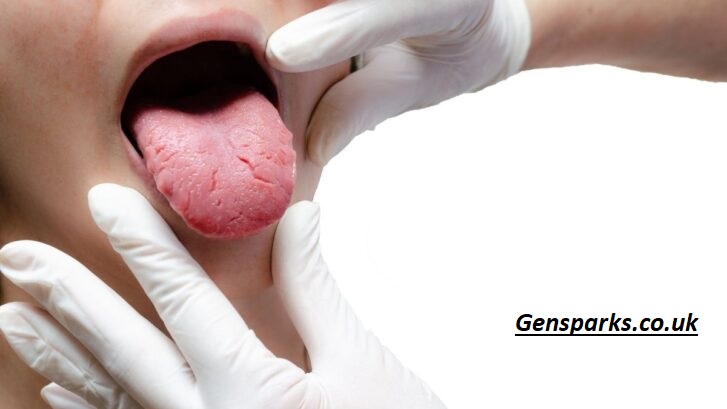
This one surprised me when I learned about it. Low levels of vitamin B12 or iron can cause a condition called glossitis — basically inflammation of the tongue.
The tongue can swell, feel sore, look unusually smooth, and be particularly painful on the edges where it gets the most contact.
It’s more common than people realize, especially in people who eat a plant-heavy diet or have absorption issues.
If your tongue soreness has been going on for weeks and you’re also feeling tired or run-down, this is worth getting a blood test for.
Geographic tongue
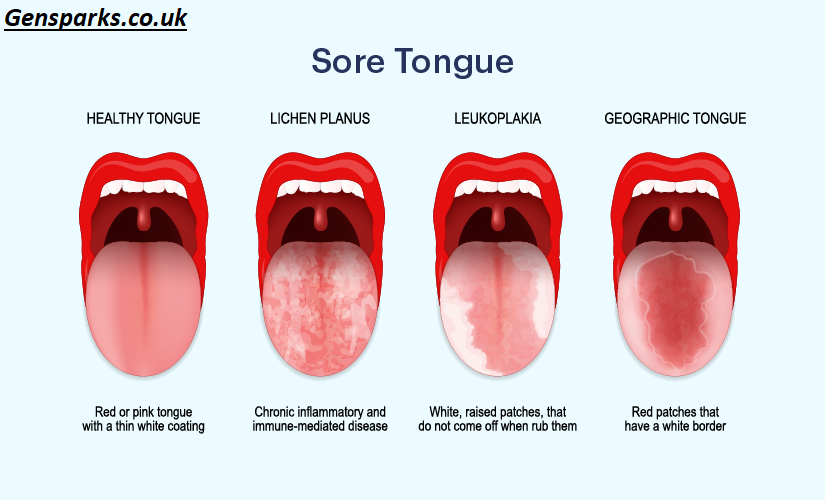
This sounds alarming but is almost always harmless. Geographic tongue causes irregular, map-like patches on the tongue that shift position over days or weeks.
The edges of those patches can feel sore or sensitive, especially to spicy or acidic foods. Doctors don’t fully understand why it happens, but it’s benign in most cases.
Oral lichen planus
This is an inflammatory condition that can cause white lacy patches and soreness, often on the sides of the tongue and inner cheeks. It’s not contagious and it’s not cancer, but it can be uncomfortable.
A dentist or doctor can diagnose it on sight.
Burns or trauma
Did you bite down on your tongue recently? Eat something too hot? It’s remarkable how a small bite or burn on the side of the tongue can linger for days and feel much worse than expected.
The tongue has an extremely rich nerve supply, so even minor trauma registers as significant pain.
How to Actually Figure Out What’s Wrong
Rather than spiraling through WebMD at midnight, here’s a more grounded approach I wish I’d taken from the start.
- Look at it in good lightingUse a flashlight or phone torch and stick your tongue out fully. Are there ulcers? White patches? Scalloped edges? Redness concentrated on one side or both? Taking a photo can actually help because you can compare over a few days.
- Think back to the last 48 hoursDid you eat anything acidic (pineapple, citrus, vinegar-heavy foods)? Start any new medication? Have an unusually stressful day? Drink enough water? Timing often tells you a lot — if it started the morning after a spicy Thai meal, the cause is probably the meal.
- Check if it’s one side or bothOne-sided soreness is more often mechanical — you bit it, a broken tooth is scraping it, or you sleep on that side. Bilateral soreness (both sides) more commonly points to systemic causes like nutritional deficiency, infection, or an inflammatory condition.
- Give it 5–7 days of basic careMost minor causes resolve on their own. Salt water rinses, staying hydrated, avoiding irritating foods, and resting the area are usually enough for bites, minor burns, or stress-related canker sores.
- See a doctor or dentist if it doesn’t improveIf you’ve given it a week with good self-care and things are the same or worse, you need a professional opinion. Not because it’s necessarily serious — but because some causes need targeted treatment (antifungals for thrush, for example) that you can’t get over the counter.
Home Remedies That Actually Help
I want to be honest here: not everything you read online works, and some advice is downright counterproductive. Here’s what genuinely helped me and what I’ve seen backed up in practice.
- Warm salt water rinses: Half a teaspoon of salt in a glass of warm water, swished gently for 30 seconds, two to three times a day. This is boring advice but it genuinely works. Salt water reduces inflammation and keeps the area clean without disturbing healing tissue.
- Cold water or ice chips: If your tongue is acutely swollen and sore, cold helps. Not ice directly on the tongue (that can cause its own irritation), but sipping cold water or letting ice melt in your mouth can temporarily reduce swelling and numb the soreness.
- Avoiding trigger foods: While healing, cut out citrus, pineapple, spicy food, vinegar, alcohol, and anything rough-textured. These all slow healing and increase pain. I know it’s annoying, but a few days of soft, bland food makes a real difference.
- Baking soda paste for canker sores: Mix a small amount of baking soda with just enough water to make a paste, dab it gently on the sore. It’s not a cure, but it can reduce the acidity environment and speed healing slightly.
- OTC numbing gels: Products like Orajel or Anbesol contain benzocaine and can give temporary relief, especially before meals. Don’t overuse them — they’re for acute pain management, not long-term treatment.
- Staying hydrated: Seriously underrated. Chronic dehydration causes a drier oral environment, more friction, and slower healing. Aim for real water — not coffee or soda, which can make things worse.

Mistakes People Make (That I Definitely Made Too)
- Using hydrogen peroxide as a rinse. A lot of people reach for hydrogen peroxide because they think it’ll kill bacteria and help healing. In high concentrations, it actually damages tissue and delays healing. If you use it at all, heavily dilute it — but honestly, salt water works better and has zero downsides.
- Poking at it constantly. I know it’s hard not to run your tongue over a sore spot. But constant friction with your teeth or fingers keeps reopening the wound and introduces bacteria. Leave it alone as much as possible.
- Assuming it’s always something minor. Most tongue soreness is benign. But persistent swelling and soreness that doesn’t improve in 2 weeks, especially without a clear cause, should be evaluated. The sides of the tongue are unfortunately one area where oral cancers can develop — and catching them early matters enormously. This doesn’t mean panic; it means don’t ignore something that isn’t going away.
- Stopping antibiotics early and getting thrush. If you’ve recently taken a course of antibiotics and your tongue has developed white patches with soreness, it’s likely oral thrush — a fungal overgrowth that happens when antibiotics knock out your good bacteria. A lot of people don’t connect these two things. It needs antifungal treatment, not more antibiotics.
- Dismissing a broken or sharp tooth. If you have a cracked tooth, a chip, or a rough dental filling, it can repeatedly scrape the side of your tongue over days and weeks. You might not even notice the tooth is sharp until a dentist points it out. Always worth checking.
When You Really Should See a Doctor
Don’t wait — see someone if you notice theseSome signs warrant prompt medical attention, not a wait-and-see approach.
- Swelling that’s rapid and severe — this can indicate an allergic reaction or angioedema, which can affect your airway. If your tongue swells quickly and you have any trouble breathing, this is an emergency.
- A sore or lump on the side of the tongue that hasn’t improved after 2–3 weeks, particularly if it’s painless. Painless ulcers that don’t heal are one of the early signs of oral cancer that people most commonly miss because they assume something that doesn’t hurt isn’t serious.
- Swelling accompanied by fever, swollen lymph nodes in your neck, or difficulty swallon.
FAQ’s
How long does a swollen tongue on the sides last?
Most cases resolve within 5–7 days with basic care like salt water rinses and avoiding irritating foods.
Can stress cause tongue swelling?
Yes. Stress often triggers canker sores and increases teeth grinding, both of which cause soreness on the sides.
Is a swollen tongue on the sides serious?
Usually not. But if it persists beyond two weeks without a clear cause, get it checked by a doctor or dentist.
Can drinking more water help?
Absolutely. Dehydration dries out your mouth, increases friction, and slows healing. Staying hydrated is one of the simplest fixes.
When should I go to the ER?
If your tongue swells rapidly and you have trouble breathing or swallowing, seek emergency care immediately — it could be a severe allergic reaction.
Conclusion
A swollen, sore tongue on the sides sounds alarming, but the reality is that most of the time it’s something your body can work through with a little help and patience.
Teeth grinding, canker sores, food reactions, and dehydration account for the vast majority of cases — none of which are emergencies.
The key is paying attention. If you wake up with sore, scalloped sides and you’ve been stressed lately, your jaw is probably the culprit.
If it flared up after a pineapple-heavy dinner or a spicy curry, the cause is pretty obvious.
Most of the time, your body is telling you something simple — slow down, drink more water, ease up on the acidic foods, or get a night guard.
Where people go wrong is ignoring it for too long. Two weeks is a reasonable window to give your body to heal on its own.
Beyond that, stop guessing and get a professional opinion. Not because it’s necessarily serious — but because some causes, caught early, are easy to treat. Others, left too long, aren’t.