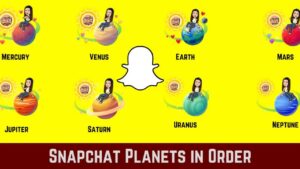
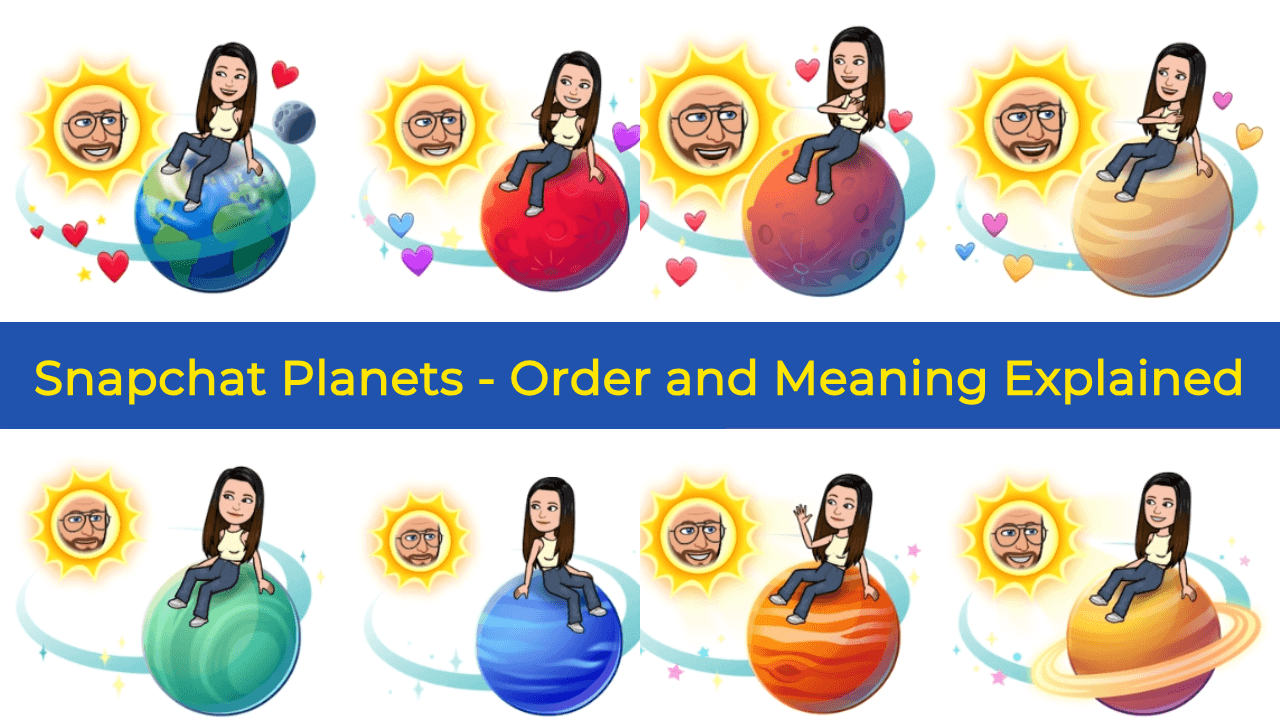

The Snapchat planets feature has transformed how millions of users visualize their closest friendships on the platform. This innovative Friend Solar System uses planetary emojis and a visual representation to show your ranking among someone’s top 8 friends based on interaction frequency and engagement patterns.
If you’ve spotted a gold ring badge with colorful planet emojis next to a friend’s name, you’re witnessing Snapchat’s creative approach to gamifying social connections. This exclusive Snapchat Plus feature assigns each of your closest contacts a specific planet—from Mercury to Neptune—representing their position in your personal solar system.
In this detailed guide, you’ll learn exactly how the Snapchat ranking system works, what each planet symbolizes, how to enable friend solar system badges, and proven strategies to improve your planet position. Whether you’re curious about Snapchat Plus subscription benefits or want to decode the meaning behind each Bitmoji planet, this article covers everything you need to know about Snapchat planets in order and meaning in 2026.
Key Takeaways:
- Mercury represents your #1 best friend with the highest interaction frequency
- The feature requires an active Snapchat Plus premium subscription
- Your planet assignment depends on daily snaps and chats, not just streaks
- Eight planets correspond to your top 8 friends ranking
- Understanding the Snapchat algorithm helps you maintain close friend indicators
Table of Contents
What Are Snapchat Planets? The Friend Solar System Explained
Snapchat Planets is an exclusive visual feature within Snapchat Plus that represents your friendship dynamics through an astronomical metaphor. Think of yourself as the Sun at the center of your own solar system, with your eight closest friends orbiting around you as planets. Each friend is assigned a specific planet based on how frequently you interact with them through snaps, chats, and other engagement activities.
This Friend Solar System transforms abstract data about your Snapchat interaction patterns into an intuitive, engaging visual experience. Instead of simply seeing a ranked list of best friends, you get a colorful, personalized universe that makes social connections feel more meaningful and fun.
The Core Concept Behind Best Friends Solar System
The underlying principle is straightforward: your most frequent contact gets Mercury (closest to the Sun), while your eighth most frequent contact receives Neptune (farthest from the Sun). This creates a hierarchy that reflects the strength and consistency of your digital friendships.
Snapchat’s algorithm continuously analyzes several factors to determine planet assignments:
Primary Ranking Factors:
- Total number of snaps sent and received
- Frequency of chat messages exchanged
- Story views and replies
- Time spent in video calls
- Response time to messages
- Consistency of daily interactions
The beauty of this system lies in its dynamic nature. Your Friend Solar System isn’t static—it updates regularly based on your ongoing interaction frequency with different contacts. If you start communicating more with someone ranked as Neptune, they could eventually move up to become your Mars or even Earth.
How Snapchat Plus Brings Planets to Life
The premium subscription Snapchat Plus unlocked this feature in 2022, and it has become one of the service’s most popular attractions. When you subscribe to Snapchat Plus features, you gain access to see which planet you are in your friends’ solar systems and vice versa.
The gold ring badge appears on profiles of friends who also have Snapchat Plus subscription, allowing mutual visibility. When you tap this badge, you’ll see a beautiful animation showing your assigned planet with your Bitmoji character standing on its surface, complete with accurate colors and visual characteristics matching the real astronomical body.
This visual representation goes beyond simple rankings. Each planet displays with remarkable attention to detail—Mercury appears small and gray, Venus shines with a warm yellowish glow, Earth showcases its iconic blue and green continents, and so forth. These planet emojis create an immersive experience that makes checking your friend rankings genuinely enjoyable.
Why The Friend Solar System Matters for Engagement
Snapchat introduced planets to address a fundamental challenge in social media: helping users understand and strengthen their most important connections. By gamifying friendship dynamics, the platform encourages more meaningful engagement rather than passive scrolling.
Users report checking their planet positions regularly, which drives increased interaction frequency. When someone discovers they’re Neptune in a friend’s system but wants to be Earth, they naturally start sending more snaps and chatting more often. This creates a positive feedback loop that benefits both user satisfaction and Snapchat’s engagement metrics.
The Friend Solar System also provides valuable social insights. You can quickly identify which friendships might need more attention or discover surprising patterns about who you interact with most. This self-awareness can help you maintain important relationships that might otherwise fade due to busy schedules or digital overwhelm.
Snapchat Planets in Order and Meaning: Complete Breakdown
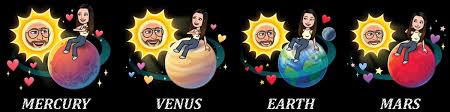
Understanding the specific Snapchat planets order is essential for interpreting your position in someone’s social universe. Each of the eight planets corresponds to a rank in the best friends list, with distinct characteristics and visual elements that mirror their astronomical counterparts.
The Official Ranking System
The planets follow the exact order of our actual solar system, moving outward from the Sun. This familiar sequence makes the system intuitive and easy to remember, even for users without astronomy knowledge. Here’s the fundamental hierarchy:
1. Mercury – Closest Friend
2. Venus – Second Closest Friend
3. Earth – Third Closest Friend
4. Mars – Fourth Closest Friend
5. Jupiter – Fifth Closest Friend
6. Saturn – Sixth Closest Friend
7. Uranus – Seventh Closest Friend
8. Neptune – Eighth Closest Friend
This progression reflects decreasing interaction levels, with Mercury representing maximum engagement and Neptune indicating the minimum threshold for top 8 friends status.
Mercury: Your #1 Best Friend on Snapchat
Mercury planet Snapchat designation represents your absolute closest contact—the person you interact with more than anyone else on the platform. This is your digital best friend, the one who receives and sends the most snaps, maintains the longest streaks, and engages most consistently with your content.
- Visual Characteristics: Mercury appears as a small, reddish-gray sphere with visible craters, accurately reflecting the planet’s actual appearance. Your Bitmoji stands on its rocky surface against a dark space background, often with small stars twinkling nearby.
- What It Means: Being someone’s Mercury is the highest honor in Snapchat’s Friend Solar System. It indicates an exceptionally strong bond characterized by daily communication, rapid response times, and mutual priority. Mercury friends typically text throughout the day, share inside jokes, and maintain Snapchat streaks of 100+ days or even years.
- How to Achieve Mercury Status: To become someone’s Mercury requires sustained, high-frequency engagement. Send multiple snaps daily, respond quickly to their messages, view and react to their stories consistently, and maintain video call interactions. The Snapchat algorithm weighs recent activity heavily, so consistency matters more than occasional bursts of communication.
Venus: Your Second Closest Friend
Venus Snapchat meaning signifies your second-most important connection, someone with whom you share almost as much interaction as your top friend. The difference between Mercury and Venus rankings is often marginal, representing very close friendship levels.
- Visual Characteristics: Venus displays as a beautiful light brown or beige planet with subtle swirling patterns representing its dense cloud cover. The warm, inviting color scheme reflects Venus’s actual appearance when observed from space. Your Bitmoji appears on a smooth, ethereal surface.
- What It Means: Venus friends are those you communicate with extensively but perhaps slightly less frequently than your Mercury. This might be a sibling, romantic partner, or extremely close friend who’s part of your daily routine but ranks second due to timing, routine, or minor engagement differences.
- Interaction Patterns: Venus-level friendships typically involve multiple daily snaps, regular chat conversations, and consistent engagement with shared content. The distinction from Mercury might come down to subtle factors like who you snap first in the morning or who you share more personal moments with throughout the day.
Earth: Your Third Closest Friend
Earth planet best friend status places someone solidly in your inner circle while acknowledging two stronger connections. This familiar blue-and-green planet carries special significance as our home world, making it a meaningful position despite being third.
- Visual Characteristics: Earth appears with its iconic blue oceans, white clouds, and green-brown continents clearly visible. The Moon often orbits nearby, adding authenticity to the visual representation. Your Bitmoji stands on a surface showing Earth’s recognizable features, creating a comforting, familiar aesthetic.
- What It Means: Earth friends maintain strong connections with regular communication but don’t quite reach the intensity of your top two contacts. These relationships involve frequent snaps, consistent chat interactions, and mutual interest in each other’s daily activities, though perhaps with slightly longer response times or less frequent video calls.
- Typical Earth Relationships: Common Earth-ranked friends include close childhood friends, roommates, colleagues you’re very close with, or family members you connect with regularly. The relationship is solid and dependable, characterized by genuine care and consistent engagement without necessarily being your absolute priority every moment.
Mars: Your Fourth Closest Friend
Mars Snapchat ranking represents a strong friendship that’s still within your closest circle but with noticeably less frequent interaction than your top three contacts. The distinctive red planet occupies the middle ground in your Friend Solar System.
- Visual Characteristics: Mars displays its characteristic reddish-orange color with visible surface features like dark patches representing ancient riverbeds and lighter areas showing elevated terrain. Your Bitmoji appears on the dusty, rust-colored surface with the distinctive Martian landscape stretching behind.
- What It Means: Mars friends are people you genuinely care about and communicate with regularly, but life circumstances, time zones, or competing priorities mean you don’t interact quite as frequently. These might be friends from different social circles, family members you check in with several times weekly, or work connections you engage with during business hours.
- Communication Patterns: Expect several snaps per week rather than per day, regular but not constant chat check-ins, and periodic story interactions. Mars relationships often involve quality over quantity—fewer but more meaningful exchanges rather than constant light contact.
Jupiter: Your Fifth Closest Friend
Jupiter Saturn Uranus Neptune represent the outer reaches of your best friends solar system, with Jupiter marking the transition from inner to outer circle contacts. Despite its lower ranking, Jupiter remains within your top 8 friends, indicating significant value.
- Visual Characteristics: Jupiter appears as a massive, swirling gas giant with its famous Great Red Spot clearly visible. The planet’s distinctive brown, orange, and cream-colored bands create a dynamic, eye-catching appearance. Your Bitmoji seems tiny against Jupiter’s enormous scale, accurately reflecting the planet’s actual size relative to others.
- What It Means: Jupiter friends are those you maintain good relationships with but interact with less frequently due to distance, schedules, or having other closer contacts. These might be childhood friends who moved away, extended family members, or friends from specific contexts like school or hobbies.
- Interaction Frequency: Jupiter-level engagement typically involves a few snaps per week, occasional chat conversations, and regular story viewing. While not your most frequent contacts, these friendships remain important and valued, characterized by genuine connection despite lower daily interaction.
Saturn: Your Sixth Closest Friend
Saturn’s distinctive rings make it one of the most visually striking planets in your Friend Solar System, even though it represents your sixth-closest connection. This placement indicates a friendship that’s maintained but not prioritized above five other contacts.
- Visual Characteristics: Saturn displays its iconic ring system prominently, with the planet’s pale yellow-brown body visible behind the icy rings. The rings appear in beautiful detail with gaps and divisions visible, creating a stunning visual effect. Your Bitmoji stands on the planet’s surface with the rings arching majestically overhead.
- What It Means: Saturn friends are people you keep in touch with semi-regularly but with noticeable gaps between interactions. These relationships might involve weekly snaps, occasional meaningful conversations, and periodic check-ins rather than constant communication.
- Common Saturn Relationships: Typical Saturn-ranked friends include casual acquaintances you enjoy, friends from previous life chapters you still value, distant relatives, or social connections you maintain out of genuine interest but without intensive engagement.
Uranus: Your Seventh Closest Friend
Uranus approaches the outer edge of your Friend Solar System, representing someone who just makes your top 8 friends list. This unique ice giant occupies a position that’s still within your closest contacts but with minimal interaction compared to higher-ranked friends.
- Visual Characteristics: Uranus appears as a pale blue-green sphere, reflecting its actual icy composition and methane atmosphere. The planet’s tilted axis gives it a unique appearance in the Friend Solar System visualization. Your Bitmoji stands on a cool, cyan-tinted surface under a distant sun.
- What It Means: Uranus friends are those you communicate with sporadically—perhaps every few days or weekly—but still maintain enough connection to rank in your top 8. These might be friends from specific contexts who you don’t see regularly, distant family members, or acquaintances transitioning into closer friendships.
- Engagement Patterns: Expect infrequent but genuine interactions. You might exchange snaps a few times weekly, have occasional chat conversations, or engage with their stories periodically. The relationship exists in a space where you’re friendly and care about each other without intensive daily contact.
Neptune: Your Eighth Closest Friend
Neptune Snapchat meaning marks the final position in your Friend Solar System—your eighth most frequent contact. While it’s the lowest ranking, Neptune friends still made your exclusive top 8, which represents a meaningful connection worth maintaining.
- Visual Characteristics: Neptune displays as a deep, rich blue planet with slightly darker patches suggesting massive storm systems. The planet’s striking azure color creates a beautiful visual as the final world in your solar system. Your Bitmoji appears on a dark blue surface with the vast emptiness of space beyond.
- What It Means: Neptune friends are people you interact with least frequently among your top contacts but still value enough to maintain semi-regular communication. These relationships might be on the verge of fading or just beginning to develop, sitting at the threshold of your closest circle.
- Typical Scenarios: Common Neptune-ranked friends include new acquaintances you’re building relationships with, old friends you’re trying to stay connected with despite growing apart, or social connections you maintain at minimal levels. The position isn’t negative—it simply reflects the reality that you can only maintain intensive contact with so many people simultaneously.
How Does Snapchat Planets Work? The Algorithm Explained
The Snapchat algorithm powering the Friend Solar System analyzes multiple data points to determine your planet assignments with remarkable precision. Understanding these mechanics helps you interpret your rankings and strategically improve your position when desired.
The Core Calculation Methodology
Snapchat’s proprietary algorithm evaluates interaction frequency across several dimensions to create a composite score for each friendship. Unlike simple metrics like streak counts, the system considers the quality and variety of your engagements.
Primary Metrics Analyzed:
- Snap Exchange Volume: The total number of photo and video snaps sent and received forms the foundation of planet rankings. Users who exchange hundreds of snaps weekly will rank higher than those exchanging dozens. The algorithm counts both individual snaps and those sent to multiple recipients, though one-on-one snaps likely carry more weight.
- Chat Message Frequency: Text conversations add substantial value to your friendship score. Regular back-and-forth messaging, especially with quick response times, signals strong connection. The algorithm distinguishes between brief one-word exchanges and substantive conversations, rewarding deeper engagement.
- Story Interactions: How often you view someone’s stories and whether you reply to them factors into your ranking. Regular story viewing shows sustained interest, while replies demonstrate active engagement rather than passive consumption.
- Video Call Duration: Time spent on Snapchat video calls contributes significantly to friendship rankings. Extended video conversations indicate closer relationships than text-only communication, potentially boosting someone several planet positions.
- Response Time Patterns: The speed at which you reply to someone’s snaps and messages influences your ranking. Consistently quick responses suggest you prioritize that person, while delayed replies indicate lower priority even with high overall volume.
- Consistency Over Time: The algorithm favors sustained engagement over sporadic bursts. Daily communication with moderate volume outranks occasional days of intensive interaction followed by silence. This rewards stable, reliable friendships.
How Planet Positions Update Dynamically
Your Friend Solar System isn’t frozen—it recalculates regularly based on evolving interaction patterns. Most users report noticing changes within 24-48 hours when their communication habits shift significantly.
- Update Frequency: Snapchat likely recalculates friend rankings at least daily, possibly more frequently during periods of high activity. The system employs rolling averages rather than cumulative totals, meaning recent interactions weigh more heavily than historical data. A friend you communicated with intensively six months ago won’t maintain Mercury status if you’ve barely interacted recently.
- The Sliding Window Effect: The algorithm appears to use a rolling time window—perhaps 30-90 days—to evaluate interaction frequency. This prevents ancient history from permanently cementing rankings while allowing sustained relationships to maintain their positions. If you stop communicating with your current Mercury for a week, they might drop to Venus or Earth as others fill the gap.
- Threshold-Based Assignments: While exact thresholds remain proprietary, the system clearly requires minimum interaction levels for each planet. You can’t artificially inflate someone to Mercury by sending a single snap if you’re simultaneously sending hundreds to others. Relative engagement matters more than absolute numbers.
Why Some Friends Show Planets While Others Don’t
The gold ring badge indicating planet assignments only appears under specific conditions, which confuses many users initially.
- Mutual Snapchat Plus Requirement: Both you and your friend must have active Snapchat Plus subscription for planet badges to display. If only one person subscribes, neither can see the planet assignments for that friendship. This mutual requirement protects non-subscribers from unwanted visibility into ranking systems they haven’t opted into.
- Top 8 Threshold: Planet assignments only exist for your top 8 friends based on interaction frequency. If someone doesn’t appear in either person’s top 8, no planet badge shows regardless of subscription status. This means newer friendships or those with minimal engagement won’t display planets until they cross the threshold.
- Privacy Settings Impact: Users can disable the Friend Solar System feature in their Snapchat Plus settings. If either person has turned off this feature, planet badges won’t appear even with active subscriptions and qualifying interaction levels. This gives users control over participating in the ranking system.
Understanding Bidirectional Asymmetry
One fascinating aspect of Snapchat planets is that relationships aren’t necessarily symmetrical. You might be someone’s Mercury while they’re your Neptune, or vice versa. This reflects the reality that friendship intensity isn’t always reciprocal.
Scenario Examples:
A close friend who you message constantly might have dozens of other close contacts, placing you lower in their system despite being their Mercury in yours. Conversely, someone who rarely uses Snapchat might rank you very high even though you don’t communicate frequently from your perspective.
This asymmetry provides valuable social insights. Discovering you’re Neptune for someone you consider your Venus might prompt reflection about whether your perception of closeness matches reality. Similarly, finding you’re someone’s Mercury when you barely interact reveals their limited Snapchat social circle.
How to Enable Snapchat Planets: Step-by-Step Guide
Accessing the Friend Solar System feature requires an active Snapchat Plus premium subscription and proper configuration. Follow this comprehensive guide to enable and optimize your planet experience.
Subscribing to Snapchat Plus
The first essential step involves upgrading your account to Snapchat Plus, which unlocks planets along with other exclusive features.
- Step 1: Open Snapchat Settings Launch the Snapchat app on your iPhone or Android device. Tap your profile icon in the top-left corner, then tap the gear icon to access Settings.
- Step 2: Locate Snapchat Plus Scroll down to find the “Snapchat Plus” option, typically listed under account-related settings. The section displays a promotional banner highlighting premium features including the Friend Solar System.
- Step 3: Choose Your Subscription Plan Tap “Subscribe to Snapchat Plus” to view available pricing options. As of 2026, Snapchat offers monthly, semi-annual, and annual subscription pricing tiers. Annual plans provide the best value with significant discounts compared to month-to-month billing.
- Step 4: Complete Payment Select your preferred plan and confirm payment through your device’s app store. iPhone users process payment via Apple App Store with payment methods linked to their Apple ID. Android users complete transactions through Google Play Store using saved payment information.
- Step 5: Confirm Activation After successful payment processing, your account immediately upgrades to Snapchat Plus. A confirmation message appears, and your profile displays the distinctive gold star badge indicating premium status.
Activating the Friend Solar System Feature
Once subscribed, you must explicitly enable the planets feature as it doesn’t activate automatically by default.
- Step 1: Access Snapchat Plus Settings Return to Settings and tap on “Snapchat Plus” to view all premium features. This menu lists every exclusive capability available to subscribers with toggle switches for activation.
- Step 2: Find Friend Solar System Scroll through the features list to locate “Friend Solar System” or “Solar System.” The option appears with a brief description explaining the planetary ranking visualization.
- Step 3: Enable the Feature Toggle the switch from gray (off) to purple (on). The system immediately begins analyzing your friendship data to generate initial planet assignments based on recent interaction patterns.
- Step 4: Wait for Initial Calculation Snapchat needs several hours to process your complete interaction history and establish accurate rankings. During this initial period, you might not see planet badges even on profiles of friends who have Snapchat Plus. Check back after 24 hours for full functionality.
Checking Your Planet Position
After enabling the feature, you can view your planet assignment in friends’ solar systems who also subscribe to Snapchat Plus.
- Viewing Your Planet: Navigate to a friend’s profile who has Snapchat Plus (identifiable by the gold star badge next to their name). If you rank in their top 8 friends, you’ll see a gold ring badge labeled “Best Friends” or “Friends” with a planetary icon. Tap this badge to reveal your specific planet assignment with an animated visualization showing your Bitmoji on that planet’s surface.
- Understanding Badge Variations: “Best Friends” badge indicates you’re in their top 8 AND they’re in your top 8—a mutual close friendship. “Friends” badge means you’re in their top 8 but they’re not in yours, showing an asymmetric relationship dynamic.
- Checking Who’s in Your Solar System: To see your own Friend Solar System, visit profiles of friends who subscribe to Snapchat Plus. Their profiles display the same gold ring badges showing which planet they occupy in YOUR solar system. This allows you to understand both perspectives of each friendship simultaneously.
How to Check Your Position and Track Changes
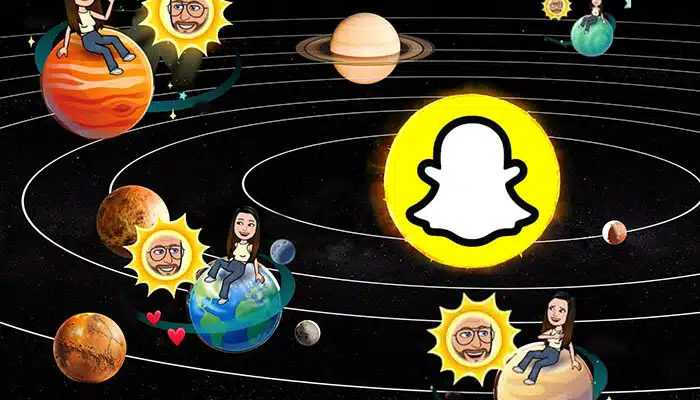
Monitoring your planet assignments provides valuable insights into friendship dynamics and helps you maintain important relationships proactively.
Regular Position Monitoring
Establishing a routine for checking planet positions helps you notice changes before relationships drift significantly.
- Daily Quick Checks: Spend 2-3 minutes daily reviewing your top friends’ profiles to confirm their planet positions remain consistent. Focus on your top 3-4 closest contacts (Mercury through Mars range) where position changes might indicate emerging issues or shifting priorities.
- Weekly Comprehensive Reviews: Dedicate 10-15 minutes weekly to systematically check all eight positions in your Friend Solar System. Document each friend’s current planet to identify trends over time. This practice reveals gradual shifts that might go unnoticed in daily checks.
- Tracking Tools: Consider creating a simple spreadsheet or notes document recording weekly snapshots of your planetary system. Include columns for friend name, current planet, previous planet, and direction of change. This data reveals patterns about which relationships are strengthening, remaining stable, or declining.
Interpreting Position Changes
Understanding what various shifts signal helps you respond appropriately to changing friendship dynamics.
- Upward Movement (Neptune to Saturn, Mars to Earth, etc.): When someone moves toward Mercury in your solar system, it indicates increasing interaction frequency. This might result from natural life changes like starting a new project together, spending more time in person, or simply having more availability for communication. Celebrate these positive trends by continuing the engagement patterns causing the improvement.
- Downward Movement (Mercury to Venus, Earth to Jupiter, etc.): Dropping positions usually reflects decreased communication frequency rather than relationship problems. Common causes include busy periods at work or school, life transitions like moving or starting relationships, or natural ebb and flow in communication patterns. Small drops (one planet) generally aren’t concerning, while significant drops (three or more planets) might warrant reaching out to maintain the connection.
- Plateauing (Remaining at Same Planet): Stability indicates your current interaction level matches the planet assignment. If you’re satisfied with the relationship depth, maintaining the status quo works perfectly. If you want closer connection, you’ll need to intentionally increase engagement frequency through more snaps, chats, and calls.
Responding to Unexpected Changes
Sometimes planet shifts surprise you, revealing mismatches between your perception and actual interaction data.
- When You Drop in Someone’s System: Discovering you’re now Neptune in a friend’s solar system when you were recently Earth can sting emotionally. Before reacting, consider whether their life circumstances explain the change. New romantic relationships, demanding work periods, or family situations often temporarily shift communication patterns. Reach out casually rather than confronting them about the change—a simple “Hey, haven’t heard from you in a bit! How’s everything going?” opens dialogue without pressure.
- When Someone Drops in Your System: If someone important to you has fallen from Mercury to Mars, examine your own behavior. Have you been initiating contact less? Are you taking longer to respond? Sometimes we unintentionally deprioritize relationships during busy periods. If you value the friendship, consciously increase engagement through daily snaps, quick check-ins, and prompt message responses.
- When New People Enter Your Top 8: New faces appearing in your planetary system signal emerging important relationships. These might be new friends, colleagues you’re bonding with, or reconnections with old contacts. Pay attention to these shifts—they often reflect meaningful life changes worth acknowledging and nurturing.
How to Improve Your Planet Ranking Strategically
If you want to move closer to Mercury in someone’s Friend Solar System, specific strategies maximize your improvement speed while maintaining authentic connection.
Increasing Interaction Frequency Naturally
The most effective approach involves genuinely strengthening the relationship rather than gaming the algorithm artificially.
- Send Daily Good Morning/Night Snaps: Simple routine snaps establish consistent baseline contact without overwhelming the recipient. A quick photo with “Good morning!” or “Night!” takes seconds but contributes daily engagement points. Personalize these slightly rather than using identical snaps for multiple recipients—reference something specific to your shared experiences or inside jokes.
- Respond Promptly to Their Snaps: Quick response times signal that you prioritize the person. When they send you snaps, reply within minutes when possible rather than hours later. This creates natural back-and-forth momentum that increases total snap volume organically.
- Initiate Conversations Regularly: Don’t wait for them to message first. Initiate chats about topics you know interest them, share funny content you encounter, or simply check in about their day. Taking initiative demonstrates investment in the relationship.
- Engage Meaningfully With Stories: View their stories consistently and reply to ones where you have genuine reactions. Rather than generic “haha” responses, reference specific details or continue the conversation naturally. Story engagement counts toward your friendship score while providing conversation starters.
- Schedule Video Calls: Suggest regular video calls even briefly—10-minute catch-ups count toward interaction metrics while deepening connection more than text alone. Weekly or bi-weekly video chats can significantly boost your planet position.
Strategic Engagement Patterns
Beyond frequency, the quality and variety of interactions influence your ranking.
- Diversify Interaction Types: Don’t rely solely on snaps or only chat messages. Mix photo snaps, video snaps, text chats, voice notes, story replies, and video calls. The Snapchat algorithm likely rewards varied engagement as it indicates multi-dimensional friendship rather than single-channel communication.
- Maintain Consistent Streaks: While Snapchat streaks alone don’t determine planet positions, the daily exchange habit they create contributes substantially. Long streaks (100+ days) indicate sustained commitment that correlates with higher planet rankings. However, prioritize meaningful communication over streak maintenance for its own sake.
- Create Shared Content Experiences: Use collaborative features like Snap Map check-ins when you’re together, share content that references your relationship history, or create running jokes through serial snaps. These shared narrative elements increase both frequency and emotional depth.
- Leverage Peak Usage Times: Send snaps during times when the person typically uses Snapchat for faster responses and longer conversations. Notice patterns in when they’re most active and align your engagement accordingly for maximum back-and-forth interaction.
What Not to Do
Certain approaches seem logical but actually harm your goals or create relationship tension.
- Avoid Spam Behavior: Sending dozens of rapid-fire snaps without responses or filling their chat with message after message reads as desperate or annoying. Quality matters—one thoughtful snap beats ten meaningless photos. Respect communication boundaries even while increasing frequency.
- Don’t Reference Planet Rankings Directly: Bringing up your planet position explicitly (“I noticed I’m your Neptune” or “Can you try to make me your Mercury?”) creates awkward pressure and undermines authentic connection. Let the system reflect natural relationship dynamics rather than gaming it transparently.
- Don’t Neglect Your Current Close Friends: Focusing all energy on moving up with one person while ignoring your Mercury and Venus friends backfires. Those relationships will decline as you redirect attention, potentially resulting in overall lower satisfaction even if you achieve your goal with the target person.
- Avoid Artificial Engagement: Sending snaps you don’t care about or forcing conversations about topics that don’t interest you creates unsustainable patterns. The algorithm rewards consistency, so behaviors you can’t maintain long-term won’t produce lasting improvements.
Snapchat Plus Subscription Guide: Everything You Need to Know
Understanding the complete scope of Snapchat Plus features helps you evaluate whether the premium subscription delivers value beyond just the Friend Solar System.
Complete Features List
Snapchat Plus includes multiple exclusive capabilities designed to enhance your experience and provide additional insights.
- Friend Solar System: The headline feature visualizing your top 8 friends as planets orbiting around you. This gamified ranking system makes friendship dynamics tangible and encourages engagement.
- Custom App Icons: Change your Snapchat app icon to exclusive designs not available to free users. Options include different color schemes, seasonal themes, and artistic variations that personalize your device home screen.
- Story Rewatch Indicator: See which friends have viewed your stories multiple times. This metric reveals who’s most engaged with your content and might indicate romantic interest or close friendship you hadn’t recognized.
- Ghost Trails: View the movement trails of friends on Snap Map over the past 24 hours. This location history feature helps coordinate meetups and understand friends’ routines while raising some privacy considerations.
- Snapchat+ Badge: Display a distinctive gold star next to your profile name indicating premium status. This badge signals to others that you have access to exclusive features and might take the platform more seriously.
- Best Friends Forever Pin: Pin a specific friend as your #1 Best Friend Forever so they never drop from Mercury position regardless of interaction patterns with others. This feature lets you designate one relationship as priority.
- Custom Notification Sounds: Set unique notification sounds for specific friends so you immediately know who’s messaging without checking your phone. Assign distinctive sounds to your Mercury through Earth contacts for instant recognition.
- Post View Emojis: Set custom emojis that appear next to your name when you view others’ stories. This personalization lets your friends know you specifically viewed their content rather than just seeing generic view counts.
- Story Expiry Timer: Change how long your stories remain visible before expiring. Options range from immediate deletion to extended 72-hour visibility, giving you control over content lifespan.
Snapchat Plus Pricing 2026
Understanding current subscription pricing helps you budget for this premium service appropriately.
- Monthly Subscription: The standard month-to-month plan costs $3.99 per month in most regions, billed automatically through your device’s app store. This flexible option allows you to cancel anytime without long-term commitment, though it represents the highest per-month cost.
- Six-Month Subscription: The semi-annual plan runs $21.99 for six months, averaging $3.67 per month—about 8% savings compared to monthly billing. This option balances cost savings with reasonable commitment duration.
- Annual Subscription: The yearly plan costs $39.99 for twelve months, averaging $3.33 per month—roughly 17% savings compared to monthly pricing. This represents the best value for committed users planning long-term premium access.
- Regional Pricing Variations: These prices apply primarily to United States users. International pricing varies based on local currencies and economic factors. Users in European Union countries, United Kingdom, Canada, Australia, and other regions should check their Snapchat app for specific local pricing.
- Free Trial Availability: Snapchat periodically offers free trial periods ranging from 7 to 30 days for new Snapchat Plus subscribers. These trials let you test all premium features risk-free before committing financially. Cancel before trial expiration to avoid charges.
Is Snapchat Plus Worth It?
Evaluating whether premium subscription justifies the cost depends on your specific usage patterns and priorities.
Strong Value Proposition For:
- Active Daily Users: If you use Snapchat extensively every day with 10+ close contacts, the Friend Solar System and other insights provide substantial value that justifies $3-4 monthly investment.
- People Who Value Social Analytics: Users interested in understanding their social patterns, identifying who cares most about their content, and optimizing their engagement benefit significantly from the data visibility Snapchat Plus provides.
- Status-Conscious Users: If you care about distinguishing your account with premium badges and exclusive features, Snapchat Plus delivers tangible differentiation from free users.
Limited Value Proposition For:
- Casual Users: If you check Snapchat occasionally and maintain only a few active friendships, free features likely suffice for your needs without justifying subscription costs.
- Budget-Conscious Users: With dozens of subscription services competing for limited budgets, Snapchat Plus represents an optional entertainment expense rather than essential service for most users.
- Privacy-Focused Users: Several Snapchat Plus features like Ghost Trails and story rewatch indicators raise privacy concerns that might make the service unappealing regardless of cost.
How to Cancel Snapchat Plus
If you decide the premium subscription doesn’t meet your needs, cancellation is straightforward through your device’s app store.
- For iPhone Users: Open Settings > tap your name at top > Subscriptions > select Snapchat Plus > tap Cancel Subscription. Your access continues through the current paid period before reverting to free account.
- For Android Users: Open Google Play Store > tap menu icon > Subscriptions > select Snapchat Plus > tap Cancel Subscription. Similar to iOS, you retain premium features until the billing period concludes.
- Important Cancellation Notes: Canceling before trial periods end prevents any charges. Canceling mid-billing cycle doesn’t provide prorated refunds—you pay for the full period regardless of cancellation timing. You can resubscribe anytime if you change yourmind later.
Privacy Concerns and Considerations
The Friend Solar System and related Snapchat Plus features raise legitimate privacy questions worth understanding before subscribing.
Data Visibility Implications
Snapchat Plus provides unprecedented visibility into social dynamics, which creates both benefits and concerns.
- What Others Can See: Friends with Snapchat Plus can view your planet position in their solar system, revealing where you rank among their top 8 contacts. This transparency might feel invasive if you prefer keeping interaction frequency private. Additionally, features like story rewatch indicators expose how many times you’ve viewed content, potentially revealing interest levels you’d rather keep confidential.
- Asymmetric Information: If you have Snapchat Plus but a friend doesn’t, you can see your planet in their system while they can’t see theirs in yours. This information imbalance might feel uncomfortable or unfair, though both parties must subscribe for mutual visibility.
- Relationship Pressure: Publicly visible rankings create social pressure to maintain certain positions. If a romantic partner drops from Mercury to Venus, it might trigger unnecessary relationship anxiety despite normal communication fluctuations. Similarly, friends might feel hurt discovering they rank lower than expected.
Ghost Trails and Location Privacy
The Ghost Trails feature showing 24-hour movement history represents the most privacy-sensitive Snapchat Plus capability.
- What Ghost Trails Reveal: Friends can see your location history for the previous day, showing where you traveled, how long you stayed in different places, and your movement patterns. This granular location data could reveal personal information like home addresses, workplace locations, relationship status (frequent overnight stays at specific locations), and daily routines.
- Controlling Location Sharing: You can manage Ghost Trail visibility through Snap Map privacy settings. Options include sharing location with all friends, select friends only, or enabling Ghost Mode to hide your location completely. Review these settings carefully to ensure comfortable privacy levels.
- Safety Considerations: Location sharing features carry inherent safety risks, particularly for young users or those in vulnerable situations. Stalking, harassment, or physical safety threats could emerge from oversharing precise location data with too many contacts.
Mitigating Privacy Risks
If you value Snapchat Plus benefits but want to minimize privacy concerns, several strategies help.
- Selective Feature Activation: Enable only features you actually want rather than activating everything by default. If Ghost Trails make you uncomfortable, simply don’t use Snap Map or enable Ghost Mode permanently.
- Curated Friend List: Limit your Snapchat friends list to people you genuinely trust with enhanced visibility into your behaviors and patterns. Remove or don’t add acquaintances, colleagues, or others you prefer maintaining professional distance from.
- Regular Privacy Audits: Review your Snapchat privacy settings quarterly to ensure they still match your comfort levels. As friendships change and new features launch, settings that were appropriate months ago might need adjustments.
- Open Communication: Discuss planet rankings and other visible data with close friends to prevent misunderstandings. Acknowledging that rankings fluctuate naturally and don’t necessarily reflect relationship quality helps manage expectations.
Troubleshooting: Why Planets Don’t Appear
Many users encounter situations where expected planet badges fail to display despite meeting apparent requirements. Understanding common issues helps resolve frustration quickly.
Missing Planet Badges
Several factors can prevent planet indicators from appearing on friend profiles.
- Both Users Need Snapchat Plus: The most common issue is assuming only one person needs premium subscription. Both you AND your friend must have active Snapchat Plus for planet badges to display. If your friend’s profile shows the gold star (indicating their subscription) but you don’t see a planet badge, verify your own subscription status is current and active.
- Not in Top 8 Friends: Planet assignments only exist for top 8 friends based on interaction frequency. If you communicate infrequently with someone, you won’t appear in their solar system even with mutual subscriptions. Similarly, they won’t show in yours unless they rank in your top 8.
- Feature Disabled: Either you or your friend might have disabled the Friend Solar System feature in Snapchat Plus settings. Check your own settings first: Settings > Snapchat Plus > Friend Solar System toggle. If it’s off, enable it and wait several hours for the system to recalculate. You can’t control whether friends enable their solar systems, so missing badges might indicate they’ve opted out.
- Recent Subscription: Immediately after subscribing to Snapchat Plus, the system needs time to analyze your interaction history and calculate rankings. Initial processing can take 12-24 hours. If you just upgraded, exercise patience before troubleshooting further.
- App Version Outdated: Running old versions of Snapchat might prevent Snapchat Plus features from working properly. Check your device’s app store for updates and install the latest version. Restart Snapchat after updating to ensure changes take effect.
Inconsistent Planet Displays
Sometimes planets appear intermittently or behave unexpectedly.
- Temporary Calculation Lag: The algorithm recalculates rankings regularly, but during heavy system load periods, updates might lag. If a planet suddenly disappears or changes unexpectedly, wait a few hours before assuming it reflects actual interaction changes.
- Friend Toggling Features: If planets appear and disappear for the same friend repeatedly, they might be experimenting with turning the feature on and off in their settings. This behavior creates inconsistent visibility that’s outside your control.
- Borderline Top 8 Status: When your interaction frequency hovers right at the threshold for top 8 inclusion, small changes can bump you in and out of the solar system repeatedly. This instability usually stabilizes as you either increase engagement (securing your position) or decrease interaction (falling out consistently).
General Troubleshooting Steps
When experiencing planet display issues, follow this systematic troubleshooting process.
- Step 1: Verify Subscriptions Confirm both you and your friend have current, active Snapchat Plus subscriptions. Check for the gold star badge on both profiles as the primary indicator.
- Step 2: Check Feature Settings Navigate to Settings > Snapchat Plus and verify Friend Solar System toggle is enabled (purple). If it was off, turn it on and wait 24 hours for recalculation.
- Step 3: Update Snapchat Visit your device’s app store and install any available Snapchat updates. Outdated versions frequently cause feature malfunctions.
- Step 4: Restart Application Force close Snapchat completely (don’t just background it) and relaunch. This clears temporary caches and often resolves display glitches.
- Step 5: Increase Interaction If you suspect borderline top 8 status, intentionally increase communication with the friend for several days. Send daily snaps, chat regularly, and view their stories consistently to solidify your ranking.
- Step 6: Wait and Monitor Many issues resolve automatically as the system recalculates. Check back in 24-48 hours to see if normal display returns without additional intervention.
- Step 7: Contact Support If problems persist after exhausting all troubleshooting steps, contact Snapchat support through Settings > I Need Help > Contact Us. Describe your issue specifically and provide account details for investigation.
Snapchat Planets vs. Streaks: Understanding the Difference
Many users confuse Snapchat planets with the more established Snapchat streaks feature, but these systems operate independently with different purposes.
How Streaks Work
Snapchat streaks represent consecutive days you and a friend exchange at least one snap each. A fire emoji and number appear next to usernames indicating streak duration—”🔥 245″ means you’ve maintained daily exchanges for 245 consecutive days.
- Streak Requirements: Both people must send at least one snap (photo or video, not chat messages) within 24 hours of the previous exchange. Sending snaps to groups doesn’t count—direct individual snaps are required. Missing a single day breaks the streak, resetting the counter to zero.
- Streak Maintenance: Dedicated users treat streaks seriously, setting reminders to send daily snaps before deadlines. Some maintain dozens of simultaneous streaks, creating significant daily commitment. The longer the streak, the more psychological pressure exists to avoid breaking it.
How Planets Differ from Streaks
While both features involve friend interactions, they measure different aspects of relationships.
- Calculation Basis: Streaks count consecutive days only—you could maintain a streak with minimal effort sending one daily snap. Planets evaluate total interaction volume across snaps, chats, calls, and story engagement. A high streak doesn’t guarantee high planet ranking if overall communication remains minimal.
- Flexibility: Missing one day destroys a streak entirely. Planet rankings fluctuate gradually based on rolling averages of interaction frequency. You can take days off without catastrophic consequences, though sustained gaps will lower your position.
- Visibility: Everyone can see streaks on your profile regardless of Snapchat Plus status. Only Snapchat Plus subscribers see planet assignments, and only for mutual subscribers.
- Purpose: Streaks gamify daily consistency and habit formation. Planets visualize overall friendship hierarchy and relative closeness. Streaks encourage discipline; planets encourage depth.
Can You Have Streaks Without High Planet Ranking?
Absolutely. Common scenarios create this disconnect.
- Minimal Maintenance Streaks: Users maintaining 50+ streaks by sending mass snaps to everyone daily without individualized communication. These maintain fire emojis but don’t generate enough personal interaction for high planet rankings.
- Old Streaks with Fading Relationships: Year-long streaks with childhood friends you barely talk to anymore. You send perfunctory daily snaps to preserve history, but lack of actual conversation keeps them at Neptune or outside your top 8.
- Group Snap Dynamics: Sending snaps to group chats might maintain individual streaks with all members, but planets require direct one-on-one engagement for high rankings.
Can You Have High Planet Ranking Without Streaks?
Yes, this occurs when relationships involve intensive communication without daily consistency.
- Irregular but Intense Communication: Friends who engage in long video calls, extensive chat conversations, and story interactions several days per week but miss days preventing streak formation. Their total engagement volume ranks them highly despite zero-day streaks.
- New Relationships: Recently formed friendships with intensive current interaction haven’t existed long enough to build impressive streak numbers but generate high daily engagement earning Mercury or Venus positions.
- Practical Users: People who ignore streak pressure as artificial but maintain genuine meaningful communication naturally rank high in planets while showing low or no streaks.
Frequently Asked Questions About Snapchat Planets
What does each planet mean on Snapchat?
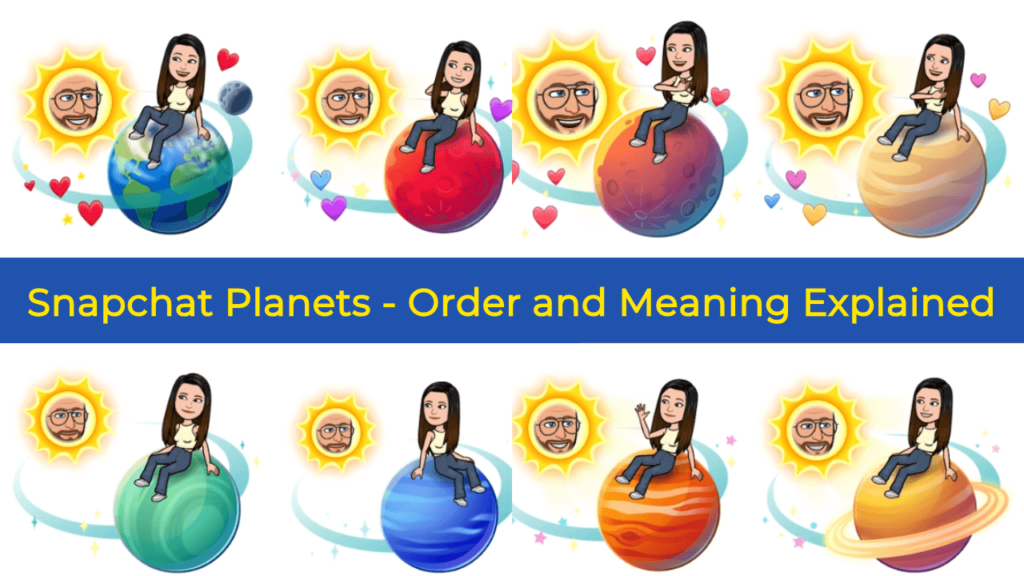
Each planet in the Snapchat Friend Solar System represents your ranking position among someone’s top 8 closest friends. Mercury (red-gray planet) indicates you’re their #1 best friend with the most interaction. Venus (light brown planet) means you’re their second closest friend. Earth (blue-green planet with moon) represents the third position. Mars (red planet) indicates fourth place. Jupiter (large gas giant with Great Red Spot) represents fifth position. Saturn (planet with distinctive rings) indicates sixth place. Uranus (blue-green ice giant) represents seventh position. Neptune (deep blue planet) indicates you’re their eighth closest friend.
How do I activate Snapchat Planets?
To activate Snapchat Planets, you must first subscribe to Snapchat Plus. Open Snapchat Settings, tap “Snapchat Plus,” and subscribe through your preferred payment plan. After subscribing, return to Settings > Snapchat Plus, find “Friend Solar System,” and toggle it on. The feature typically activates within 24 hours as the system analyzes your interaction history. Remember that both you and your friends need Snapchat Plus subscriptions for mutual planet visibility.
Why can’t I see planets on Snapchat?
Several reasons explain missing planet displays. Most commonly, either you or your friend lacks an active Snapchat Plus subscription—both parties need premium accounts. You might not rank in each other’s top 8 friends based on interaction frequency. The Friend Solar System feature might be disabled in settings for you or your friend. Your Snapchat app version might be outdated, requiring an update. If you just subscribed, the system needs 12-24 hours for initial calculation. Finally, borderline top 8 status can cause intermittent visibility as rankings fluctuate.
Do Snapchat Planets work both ways?
Yes, but not symmetrically. If you and a friend both have Snapchat Plus with Friend Solar System enabled, you can each see your position in the other’s solar system. However, these positions often differ significantly. You might be someone’s Mercury while they’re your Neptune, reflecting asymmetric interaction patterns. The “Best Friends” badge indicates mutual top 8 status, while “Friends” badge shows one-way top 8 placement.
How often do Snapchat planet rankings update?
Snapchat planet rankings update dynamically, likely recalculating at least once daily based on rolling interaction averages. The system emphasizes recent communication over historical data, using approximately 30-90 day windows for evaluation. Significant interaction changes typically reflect in rankings within 24-48 hours. However, the exact update frequency remains proprietary. Users notice position shifts relatively quickly after altering communication patterns substantially.
Can I turn off Snapchat Planets?
Yes, you can disable the Friend Solar System feature while maintaining your Snapchat Plus subscription. Navigate to Settings > Snapchat Plus > Friend Solar System and toggle it off. This prevents planet badges from appearing on your friends’ profiles when they view your ranking. Note that disabling the feature doesn’t hide your planet position in friends’ systems—it only prevents you from seeing theirs. If you want complete privacy, you’d need to cancel your Snapchat Plus subscription entirely.
What’s the difference between Best Friends and Friends badges?
The “Best Friends” badge with gold ring indicates mutual top 8 status—you’re in their top 8 AND they’re in yours, signifying reciprocal close friendship. The “Friends” badge means you’re in their top 8 but they’re not in your top 8, showing asymmetric relationship dynamics. Both badges lead to planet assignments when tapped, but the distinction helps understand whether closeness is mutual or one-directional.
Does Snapchat Plus cost money?
Yes, Snapchat Plus is a paid premium subscription service. As of 2026, pricing runs approximately $3.99 per month for monthly billing, $21.99 for six-month plans (averaging $3.67/month), or $39.99 annually (averaging $3.33/month). Prices vary by region and currency. The service includes Friend Solar System, custom app icons, story rewatch indicators, Ghost Trails, and numerous other exclusive features beyond free Snapchat capabilities.
Can people see if I check their planet?
No, Snapchat doesn’t notify users when you view your planet assignment in their solar system. Checking where you rank remains private. However, if you have the story rewatch indicator feature enabled and view their stories multiple times, they can see that specific behavior if they also have Snapchat Plus. General planet checking doesn’t generate any visible notification or indication to the other person.
How do I become someone’s Mercury planet?
To achieve Mercury status in someone’s Friend Solar System, you must become their most frequent contact through sustained high-volume interaction. Send multiple snaps daily, respond quickly to their messages, engage regularly with their stories, maintain text chat conversations, and schedule video calls when possible. Consistency matters more than occasional bursts—daily moderate engagement outperforms sporadic intensive communication. Diversify interaction types across snaps, chats, calls, and story replies rather than relying on single engagement channels.
Do Snapchat streaks affect planet rankings?
Snapchat streaks contribute to planet rankings indirectly but don’t directly determine positions. Maintaining a streak requires daily snap exchanges, which generates consistent interaction that the planet algorithm values. However, sending only minimal daily snaps for streak maintenance without additional communication won’t secure high planet rankings. Conversely, intensive overall engagement without maintaining daily consistency can earn high planet positions despite zero-day streaks. The planet algorithm evaluates total interaction volume and variety, not just consecutive days.
Why am I Neptune in my best friend’s solar system?
Being assigned Neptune despite considering someone your best friend indicates an interaction frequency mismatch. They communicate more intensively with seven other people, pushing you to eighth position. This could mean they maintain a large active social circle on Snapchat, you communicate less frequently than you perceive, or they’ve recently developed closer connections with others. Neptune placement doesn’t necessarily reflect their actual feelings—it simply means the data shows lower interaction frequency compared to their other top contacts.
Can I have multiple people at the same planet?
No, each planet represents a specific ranking position with only one person assigned per planet in any given solar system. Your Friend Solar System will have one Mercury, one Venus, one Earth, and so forth. The algorithm ranks all friends by interaction frequency and assigns the top 8 to corresponding planets. Ties in interaction levels get broken by secondary factors, ensuring unique assignments even when engagement appears similar.
What happens to planets when I stop using Snapchat Plus?
If you cancel your Snapchat Plus subscription, you lose access to viewing planet assignments in friends’ solar systems. The gold ring badges disappear from your interface, though friends with active subscriptions can still see your position in their systems. Your own Friend Solar System becomes invisible to you, though it continues existing in the background. If you resubscribe later, the feature reactivates and displays current rankings based on ongoing interaction patterns during your non-subscribed period.
How accurate are Snapchat planet rankings?
Snapchat planet rankings accurately reflect quantifiable interaction data the algorithm measures—snap exchanges, chat frequency, story views, call duration, and response times. The system calculates these metrics precisely based on your actual behavior. However, “accuracy” regarding true friendship closeness involves subjective factors the algorithm can’t measure: emotional depth, offline relationship quality, or shared experiences outside Snapchat. The rankings precisely reflect digital engagement patterns but might not perfectly represent holistic friendship value.
Conclusion: Maximizing Your Snapchat Friend Solar System Experience
The Snapchat planets feature transforms abstract friendship data into an engaging visual experience that helps you understand and strengthen your most important digital connections. By representing your top 8 friends as planets orbiting around you from Mercury through Neptune, the Friend Solar System creates an intuitive hierarchy based on interaction frequency, chat engagement, and overall communication patterns.
Understanding Snapchat planets in order and meaning empowers you to navigate your social relationships more intentionally. Whether you’re working to improve your planet position with someone important, maintaining your Mercury status, or simply enjoying the gamified visualization of your social universe, this premium Snapchat Plus feature delivers unique insights unavailable through standard metrics.
Remember that planet assignments reflect communication quantity and consistency rather than relationship quality or emotional significance. Someone ranked as Neptune might still be deeply important to you despite lower interaction frequency, while your Mercury might be a casual friend you simply message constantly. Use the Friend Solar System as one data point among many for understanding your social landscape, not as the definitive measure of friendship value.
The most meaningful approach involves balancing genuine connection with strategic engagement. Focus on relationships that matter to you rather than obsessing over rankings. Increase interaction with people you care about, maintain consistent communication patterns, diversify your engagement across snaps, chats, and calls, and let the planets reflect your authentic priorities rather than artificially gaming the system.
As Snapchat continues evolving its premium features throughout 2026 and beyond, the Friend Solar System remains one of the most innovative and engaging aspects of Snapchat Plus subscription. Whether you’re a dedicated daily user managing dozens of close contacts or someone curious about your friendship dynamics, understanding how Snapchat planets work enhances your overall experience and helps you maintain the digital connections that enrich your life.
Take Action Now:
- Subscribe to Snapchat Plus to unlock your Friend Solar System
- Enable the planets feature in your settings
- Check where you rank in your friends’ solar systems
- Strengthen important relationships through consistent engagement
- Monitor your planetary positions to track relationship trends
- Share this guide with friends curious about their own Snapchat planets
The universe of your friendships awaits—start exploring your personal solar system today and discover where your closest connections orbit in your digital world.