
Have you ever wondered what those colorful planets mean next to your friends’ names on Snapchat? If you’re a Snapchat Plus subscriber, you’ve probably noticed the Friend Solar System feature that assigns planets to your closest friends. This comprehensive guide will explain everything about Snapchat planets order, meaning, and how the friend solar system actually works.
Table of Contents
What is Snapchat Planets?
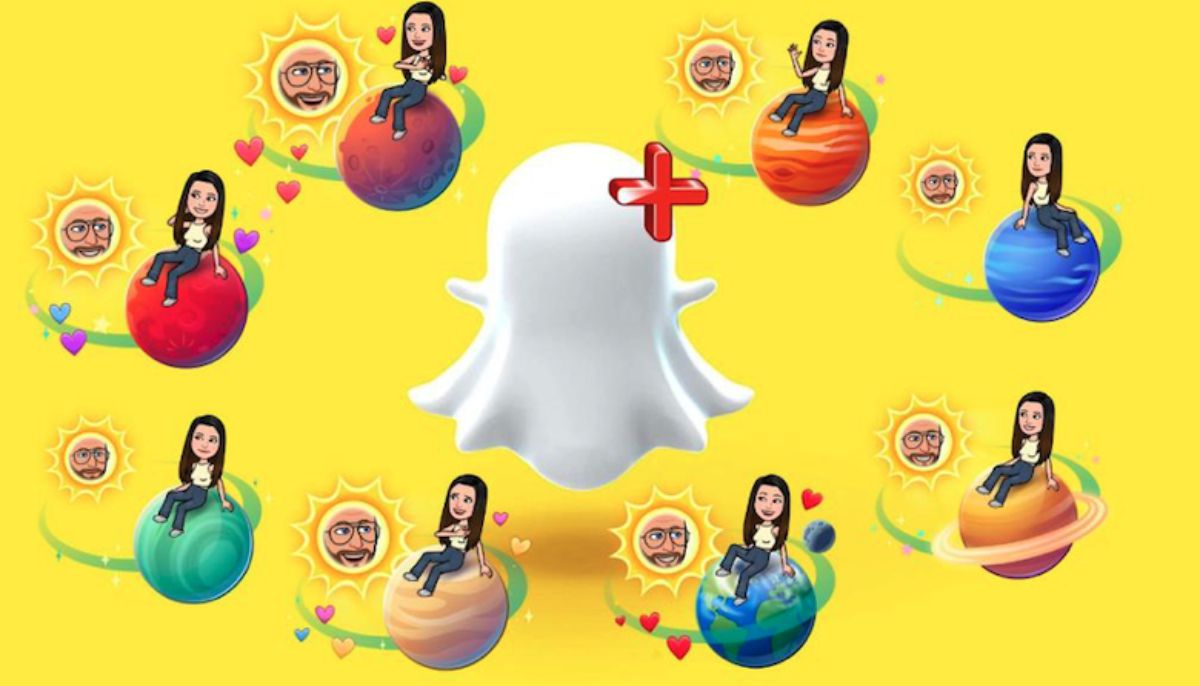
Snapchat Planets, also known as the Friend Solar System, is an exclusive feature available only to Snapchat Plus subscribers. This premium feature visualizes your friendship levels by assigning each of your top eight best friends a planet based on how frequently you interact with them. Just like our actual solar system where planets orbit around the sun, your Snapchat best friends are represented as planets orbiting around you.
The Snapchat Plus planets feature uses a creative approach to show your friendship rankings. You become the sun at the center of your own solar system, and your closest friends are assigned planets from Mercury to Neptune based on your interaction frequency, chat activity, snap streaks, and story reactions. The closer the planet is to the sun in real life, the closer that friend is to you on Snapchat.
Understanding the Friend Solar System Concept
The friend solar system Snapchat feature transforms your top friends list into an interactive, visual representation. When you subscribe to Snapchat Plus, you unlock this premium feature that shows exactly where you stand in someone else’s solar system and where your friends stand in yours. This creates a gamified experience where users become more aware of their interaction patterns and friendship dynamics.
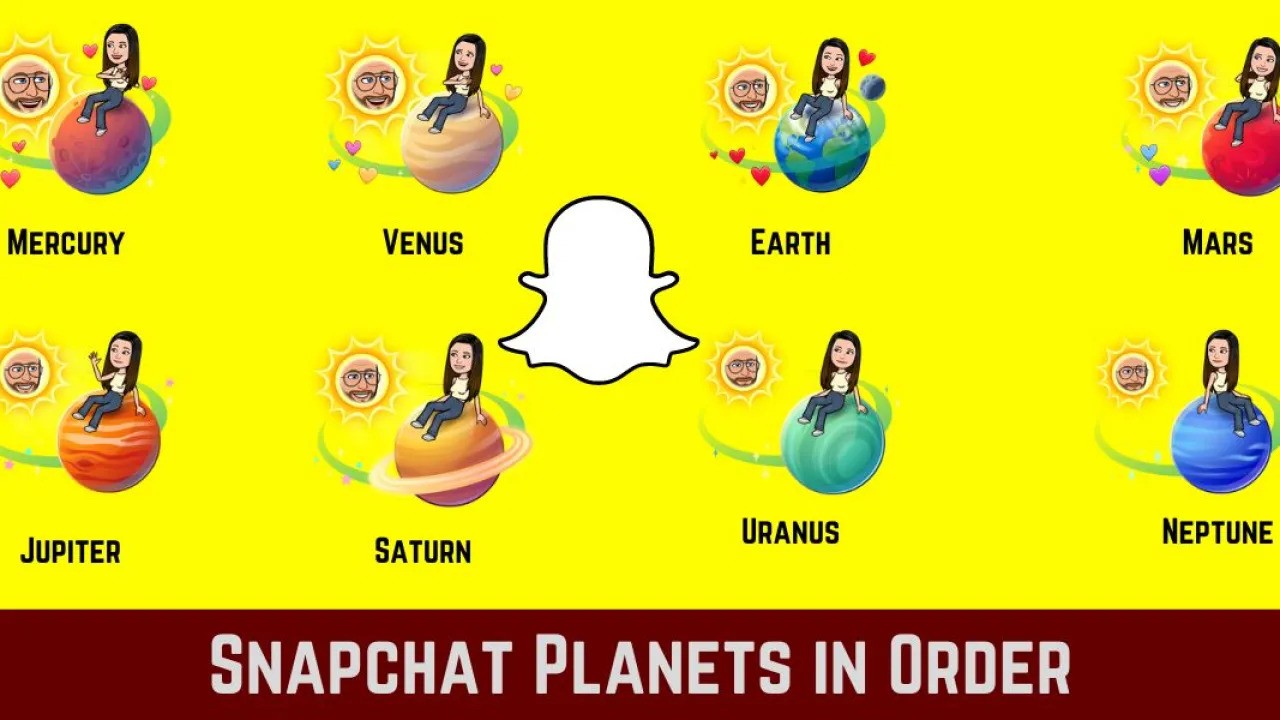
The Snapchat solar system order follows the exact sequence of our real solar system. This means Mercury is always your number one best friend, Venus is your second closest friend, Earth comes third, and so on until Neptune, which represents your eighth closest friend. This simple yet effective system makes it easy to understand your friendship rankings at a glance.
What are Snapchat Planets? Breaking Down the Feature
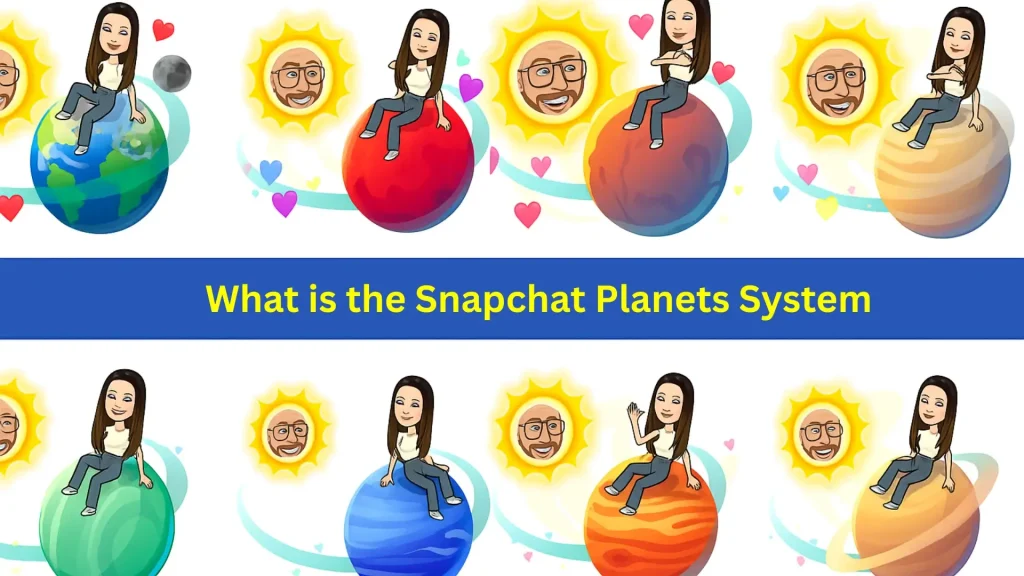
Snapchat planets are visual badges that appear on your friends’ profiles when you’re both Snapchat Plus subscribers. These badges show a specific planet icon that indicates your ranking in that friend’s best friends list. The snap planets system works both ways—you can see which planet you are in your friend’s solar system, and they can see which planet they are in yours.
When you tap on someone’s profile who has Snapchat Plus, you’ll see a “Best Friends” or “Friends” badge with a golden ring around it. Tapping this badge reveals which planet you are in their solar system. If the badge says “Best Friends,” it means you’re both in each other’s top eight friends. If it says “Friends,” it means you’re in their top eight, but they’re not in yours.
How the Snapchat Plus Subscription Works
To access Snapchat planets and the friend solar system feature, you need an active Snapchat Plus subscription. This premium membership unlocks various exclusive features beyond just the solar system. The Snapchat Plus subscription cost varies by region, but it typically ranges from $3.99 to $4.99 per month, with discounts available for longer subscription periods.
With your Snapchat Plus subscription, you gain access to exclusive Snapchat Plus features including custom app icons, story rewatch counts, ghost trails on Snap Map, website pinning, post view emojis, and of course, the beloved Friend Solar System. These premium features enhance your overall Snapchat experience and provide deeper insights into your social interactions.
Snapchat Planets Order and Meaning Explained
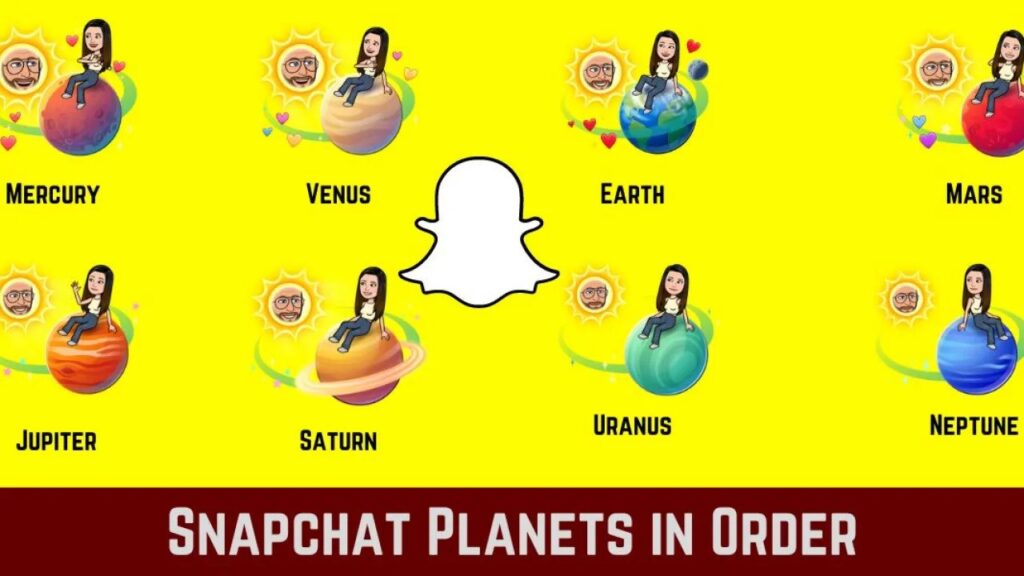
Understanding the Snapchat planets order is crucial to knowing where you stand with your friends. The planets follow the exact order of our solar system, starting with Mercury as the closest planet to the sun and ending with Neptune as the farthest. Each planet has a unique appearance with distinct colors and characteristics that make them easily recognizable.
The Snapchat planets meaning is straightforward: the closer the planet is to the sun in real life, the better friends you are on Snapchat. Your closest friend will always be Mercury, while your eighth closest friend will be Neptune. This ranking is determined by your overall interaction frequency with each person, including snaps sent and received, messages exchanged, story views, and other engagement metrics.
Mercury – Your #1 Best Friend (Planet 1)
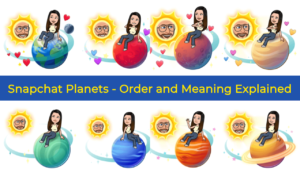
Mercury represents your absolute closest friend on Snapchat. This is the person you interact with most frequently through snaps, chats, and story reactions. On Snapchat, Mercury appears as a red-pink planet with small craters covering its surface, closely resembling the actual planet Mercury in our solar system.
When you see Mercury on someone’s profile, it means you’re their number one best friend on the platform. This person is at the top of your best friends list, and you share the highest level of interaction with them. Mercury is surrounded by red hearts, emphasizing the strong connection between you and this friend.
To become someone’s Mercury, you need to maintain consistent communication through regular snapping, chatting, and engaging with their stories. The interaction frequency matters most—sending snaps back and forth daily, maintaining snap streaks, and responding to messages quickly all contribute to securing the Mercury position.
Venus – Your #2 Best Friend (Planet 2)
Venus is your second closest friend on Snapchat. While not quite at Mercury level, Venus still represents a very strong friendship with high interaction rates. The Snapchat representation of Venus shows a beautiful beige-yellow planet with swirling patterns, decorated with pink, blue, and yellow hearts floating around it.
Being Venus in someone’s solar system means you’re their second best friend. You share frequent communication, though slightly less than their Mercury friend. This is still an important position that indicates a close relationship with regular snap exchanges and chat activity.
The Venus position can change based on your interaction patterns. If you increase your communication frequency with someone, you might move up from Venus to Mercury. Conversely, if your interactions decrease, you might drop to Earth or lower positions. The dynamic nature of the friend solar system Snapchat keeps friendships engaging and encourages consistent communication.
Earth – Your #3 Best Friend (Planet 3)
Earth represents your third closest friend on Snapchat. This familiar blue and green planet appears exactly as we know it, complete with continents, oceans, and the moon orbiting around it. Red hearts surround Earth, and sometimes stars appear in the background, making it one of the most visually appealing planets in the Snapchat solar system order.
When you’re Earth in someone’s solar system, you’re still among their top friends with significant interaction. However, two other people have more frequent communication with them. The Earth position indicates a solid friendship with regular snapping and chatting, though not quite at the intensity of Mercury or Venus.
Many users find themselves switching between Venus and Earth positions depending on their activity levels. Maintaining the Earth position requires consistent engagement through sending snaps, replying to stories, and keeping conversations going. The presence of the moon makes Earth easily identifiable in the friend solar system.
Mars – Your #4 Best Friend (Planet 4)
Mars is your fourth closest friend on Snapchat. The red planet appears true to its real-life counterpart, showing a reddish-orange surface with craters and rocky terrain. Purple and blue hearts surround Mars, giving it a distinctive appearance among the Snapchat planets.
Being Mars means you’re in the middle of someone’s top eight friends. This position shows moderate interaction frequency with regular communication but not daily constant engagement. Mars friends typically exchange snaps several times a week and maintain casual conversations.
The Mars position is interesting because it’s right in the middle of the solar system rankings. Users at this level often have the potential to move up or down depending on their activity. Increasing your snap frequency, starting conversations, and engaging with stories can help you climb from Mars to Earth or higher positions.
Jupiter – Your #5 Best Friend (Planet 5)
Jupiter represents your fifth closest friend on Snapchat. As the largest planet in our solar system, Jupiter appears on Snapchat as a massive orange-red planet with distinctive swirling storms and bands. The planet is decorated with colorful stars in various shades of pink, blue, and yellow.
When you’re Jupiter in someone’s friend solar system, you’re past the halfway mark in their top eight. This indicates moderate friendship levels with occasional snapping and chatting. Jupiter friends might interact several times a week but aren’t in constant daily communication.
The Jupiter position suggests a friendship that’s maintained but not intensely active. These are often friends you genuinely care about but might not talk to every single day. To improve your ranking from Jupiter, you’d need to increase your interaction frequency through more regular snaps and messages.
Saturn – Your #6 Best Friend (Planet 6)
Saturn is your sixth closest friend on Snapchat. The iconic ringed planet appears with its distinctive golden-orange color and prominent rings encircling it. Stars in various colors surround Saturn, making it one of the most recognizable Snapchat planets due to its unique ring system.
Being Saturn in someone’s solar system means you’re in their top eight but toward the lower end. This position indicates casual friendship with occasional interactions. Saturn friends might exchange snaps a few times a week and engage in sporadic conversations.
Many friendships naturally settle at the Saturn level because they represent connections that matter but don’t require constant communication. These might be old friends you keep in touch with periodically, acquaintances you occasionally snap, or newer friendships that are still developing.
Uranus – Your #7 Best Friend (Planet 7)
Uranus represents your seventh closest friend on Snapchat. This green-blue planet appears with a distinctive teal color and no rings, though it’s surrounded by stars. The Snapchat representation captures Uranus’s unique coloring, making it stand out from the other planets.
When you’re Uranus in someone’s friend solar system Snapchat, you’re near the bottom of their top eight. This position indicates infrequent but existing communication. Uranus friends might snap each other once or twice a week with minimal chat activity.
The Uranus position often includes friends you don’t interact with regularly but still want to maintain some connection with. These could be acquaintances, colleagues, or friends from different social circles who you occasionally check in with on Snapchat.
Neptune – Your #8 Best Friend (Planet 8)
Neptune is your eighth and final closest friend in the Snapchat planets order. This deep blue planet appears as the farthest from the sun, representing the lowest ranking in your top friends. Neptune on Snapchat shows a beautiful dark blue color without any rings but surrounded by small stars.
Being Neptune in someone’s solar system means you’re just barely in their top eight friends. This position indicates minimal interaction with rare snapping and chatting. Neptune friends might only exchange snaps occasionally or interact sporadically throughout the month.
Despite being the last planet, Neptune still represents a meaningful connection. Being in someone’s top eight at all shows that your friendship matters to them enough to make the cut. However, if interactions decrease further, you might drop out of their solar system entirely.
How Does Snapchat Friend Solar System Work?
The Snapchat Friend Solar System works by analyzing your interaction patterns with each friend and assigning them a planet based on your engagement levels. The system uses complex algorithms that consider multiple factors to determine your best friends ranking and assign the appropriate planet to each person.
Understanding how do Snapchat planets work requires knowing what metrics the platform uses. Snapchat’s algorithm examines your snap frequency, message exchanges, story views, story replies, snap streaks, and overall engagement with each friend. These interactions are tracked continuously, and your solar system updates dynamically as your communication patterns change.
Factors That Determine Your Planet Ranking
Several key factors influence your planet ranking in the friend solar system Snapchat:
- Snap Frequency: The number of snaps you send to and receive from each friend is the primary factor. Regular daily snapping significantly impacts your ranking. Friends who you snap with multiple times daily will rank higher than those you snap with weekly or monthly.
- Chat Activity: Text conversations through Snapchat’s messaging feature contribute to your ranking. Longer conversations, quick response times, and frequent messaging all boost your position in someone’s solar system. Friends who you text regularly alongside snapping will typically rank higher.
- Story Reactions: Viewing your friends’ stories and responding to them with reactions or replies counts toward your interaction frequency. Similarly, when friends view and react to your stories, it strengthens your connection and impacts your relative rankings.
- Snap Streaks: Maintaining snap streaks with friends demonstrates consistent daily interaction. Long streaks indicate dedicated communication and typically result in higher planet rankings. The streak count itself doesn’t directly determine your planet, but the consistent daily interaction it represents does.
- Bitmoji Interactions: Using Bitmoji stickers in your snaps and chats, along with Bitmoji reactions, contributes to your overall engagement metrics. These fun interactions add to your total communication score with each friend.
- Overall Engagement Time: The total time you spend interacting with each friend across all Snapchat features factors into your ranking. More comprehensive engagement leads to better positions in the solar system.
How Rankings Update and Change
Your Snapchat planet ranking isn’t static—it updates dynamically based on your recent interactions. The system continuously monitors your activity and adjusts your friends’ planets accordingly. This means your solar system can change daily depending on who you’re communicating with most.
If you suddenly start snapping someone frequently who was previously your Neptune, they could quickly move up to Mars, Earth, or even Mercury if your interaction intensity is high enough. Conversely, if you stop communicating regularly with your Mercury friend, they might drop to Venus, Earth, or lower positions.
The algorithm appears to weight recent interactions more heavily than older ones. This means your activity over the past week or two has more impact on your current rankings than interactions from months ago. This design encourages active, ongoing friendships rather than rewarding past communication alone.
How to Enable Snapchat Planets
To enable Snapchat planets and access the friend solar system feature, you must first subscribe to Snapchat Plus. This premium subscription unlocks all the exclusive features, including the planets system. Here’s a detailed step-by-step process for enabling this feature:
- Step 1: Open Snapchat and tap your Bitmoji icon in the top-left corner to access your profile. From your profile screen, you’ll see various options and settings.
- Step 2: Look for the Snapchat Plus banner or option on your profile. This is usually displayed prominently with information about premium features. Tap on this banner to learn more about Snapchat Plus subscription options.
- Step 3: Review the Snapchat Plus features and subscription pricing. You’ll see different subscription options, typically monthly, six-month, and yearly plans with varying prices. Select the subscription length that works best for you.
- Step 4: Complete the payment process through your device’s app store (Apple App Store or Google Play Store). Enter your payment information and confirm your subscription purchase.
- Step 5: Once your Snapchat Plus subscription is active, the Friend Solar System feature is automatically enabled. You don’t need to toggle any additional settings—the planets will start appearing on eligible friends’ profiles immediately.
How to Access Snapchat Planets Feature
After enabling your Snapchat Plus subscription, accessing the planets feature is straightforward. Navigate to any friend’s profile who also has Snapchat Plus, and look for the “Best Friends” or “Friends” badge with a golden ring. This badge appears below their username and Bitmoji.
Tap on this badge to reveal which planet you are in their solar system. If the badge says “Best Friends,” you’re in each other’s top eight. If it says “Friends,” you’re in their top eight, but they’re not in yours. The planet visual will display along with its name, clearly showing your ranking.
To see your own solar system and which planets your friends represent, go to a friend’s profile and check if you have the mutual best friends badge. The reciprocal nature of the feature means both users need Snapchat Plus to see the complete solar system experience.
How to View Your Planet in Friend’s Solar System
Viewing which planet you are in a friend’s solar system requires that your friend has an active Snapchat Plus subscription. If both you and your friend have Snapchat Plus, you can easily see your mutual rankings. Here’s how to check your planet status:
Method 1 – Through Friend’s Profile:
- Open Snapchat and go to your friends list
- Select the friend whose solar system you want to check
- Tap on their Bitmoji or profile picture to open their profile
- Look for the “Best Friends” or “Friends” badge with a gold border
- Tap the badge to see which planet you are in their solar system
Method 2 – Through Chat Interface:
- Open a chat conversation with your friend
- Tap their name at the top of the chat screen
- This opens their profile where you can see the friendship badge
- Tap the badge to reveal your planet ranking
If you don’t see any planet badge on a friend’s profile, it means either they don’t have Snapchat Plus, or you’re not in their top eight best friends. Only users who are in someone’s top eight will see a planet designation.
Understanding Best Friends vs Friends Badge
The distinction between “Best Friends” and “Friends” badges is important for understanding your Snapchat relationships. When you see “Best Friends” with a gold border, it indicates a mutual top-eight friendship—you’re both in each other’s solar systems.
The “Friends” badge means the relationship is one-sided. You appear in their top eight (and thus have a planet in their solar system), but they don’t appear in your top eight. This can happen when someone interacts with you frequently, but you communicate more with other friends.
This distinction helps you understand your friendship dynamics. If you’re someone’s Mercury but they’re only your Saturn, it shows an imbalance in interaction frequency. These insights can be interesting for understanding your social patterns on Snapchat.
Snapchat Plus Features Beyond Planets
While the friend solar system is one of the most popular Snapchat Plus features, your subscription includes many other exclusive premium features that enhance your Snapchat experience. Understanding all these features helps you maximize the value of your subscription.
- Custom App Icons: Change your Snapchat app icon to various custom designs. This personalization option lets you choose from different color schemes and styles to match your phone’s aesthetic.
- Story Rewatch Indicator: See how many times people have rewatched your Snapchat stories. This feature provides insights into which content resonates most with your audience and who’s viewing your stories multiple times.
- Ghost Trails on Snap Map: View where your friends have been over the past 24 hours through ghost trails on the Snap Map. This feature shows the path your friends have traveled, giving you context about their locations and movements.
- Website Pinning: Pin conversations with friends to the top of your chat list. This ensures your most important conversations are always easily accessible, similar to pinning features in other messaging apps.
- Post View Emojis: See which specific friends have viewed your stories with custom emoji indicators. Different emojis appear next to friends’ names based on their viewing patterns and your relationship.
- Snapchat Plus Badge: Display a special star badge on your profile showing you’re a Snapchat Plus subscriber. This badge appears next to your name and shows other users you have premium access.
- Exclusive Bitmoji Backgrounds: Access special background designs for your Bitmoji that aren’t available to regular users. These premium backgrounds add unique style to your profile and chats.
- Story Boost: Give your stories priority placement in your friends’ feeds. This premium feature ensures your content gets seen more often and appears higher in story queues.
Why Snapchat Planets Matter for Your Social Life
The Snapchat planets system might seem like just a fun feature, but it actually provides valuable insights into your social connections and communication patterns. Understanding what do planets mean on Snapchat helps you become more aware of your friendships and how you invest your social energy.
The friend solar system gamifies social interactions in a way that encourages consistent communication. When you see you’re someone’s Neptune and want to move up to Mercury, it motivates you to increase your interaction frequency. This can actually strengthen real friendships by encouraging more regular check-ins and conversations.
However, it’s important to maintain perspective. While the Snapchat planet meaning shows your digital interaction patterns, it doesn’t necessarily reflect the depth or quality of your real-life friendships. Someone might be your Mercury because you snap them funny memes all day, while your childhood best friend might be Saturn because you mostly connect in person.
Social Dynamics and Friendship Awareness
The planets feature creates interesting social dynamics among Snapchat users. Many people become conscious of their rankings and actively work to maintain or improve their positions in friends’ solar systems. This awareness can lead to more intentional communication patterns.
Some users enjoy the transparency of knowing exactly where they stand with friends. Rather than guessing who someone’s closest friends are, the solar system provides clear visual confirmation. This can reduce social anxiety for some users while potentially creating comparison issues for others.
Friend groups often discuss their solar systems, comparing notes on who’s whose Mercury or Venus. These conversations can be lighthearted and fun, adding a new dimension to social relationships. However, it’s healthy to remember that the rankings are based purely on Snapchat activity, not friendship quality.
Potential Drawbacks and Considerations
While the Snapchat planets order system is entertaining, it can create some unintended social pressures. Some users feel obligated to maintain certain positions in friends’ solar systems, leading to forced or inauthentic communication. Snapping someone purely to maintain ranking rather than genuine interest defeats the purpose of social connection.
The feature can also reveal uncomfortable truths about relationships. Discovering you’re someone’s Mercury while they’re only your Neptune might create awkwardness or hurt feelings. Similarly, realizing you’ve dropped from Mercury to Mars in someone’s solar system might cause unnecessary worry about your friendship.
Young users particularly should be aware that social media metrics, including Snapchat planets, don’t define their worth or their friendships’ value. A healthy approach involves enjoying the feature without becoming obsessive about rankings or letting it dictate your self-esteem.
Tips to Improve Your Ranking in Someone’s Solar System
If you want to move up in someone’s Snapchat solar system order, you need to increase your overall interaction frequency with that person. Here are specific, actionable tips for improving your planet ranking:
- Maintain Daily Snap Streaks: Start and maintain a snap streak with the friend whose ranking you want to improve. Streaks require daily snapping, which automatically increases your interaction frequency. Even simple good morning or good night snaps help maintain streaks and boost your ranking.
- Increase Chat Frequency: Don’t just send snaps—engage in actual text conversations through Snapchat’s messaging feature. Having meaningful conversations or even quick check-ins throughout the day significantly impacts your ranking. The chat activity weighs heavily in the algorithm.
- React to Stories Consistently: Watch your friend’s stories daily and respond to them with reactions or messages. Story engagement shows active interest in your friend’s life and contributes to your overall interaction score. Make a habit of viewing and responding to stories from friends you want to rank higher with.
- Send More Snaps: Simply increase the number of snaps you send to that specific friend. Rather than sending occasional snaps, try snapping them multiple times throughout the day. Share interesting moments, funny observations, or just check-ins to boost your snap frequency.
- Use Bitmoji and Fun Features: Incorporate Bitmoji stickers, filters, and lenses in your snaps. These fun additions make your snaps more engaging and encourage responses, creating a back-and-forth interaction pattern that improves rankings.
- Respond Quickly: When your friend snaps or messages you, respond promptly. Quick response times show active engagement and keep conversations flowing, which positively impacts your ranking. The algorithm likely considers response speed as part of interaction quality.
- Start Conversations: Don’t always wait for your friend to initiate. Take the lead in starting conversations and sending the first snap of the day. Proactive communication demonstrates investment in the friendship and increases overall interaction metrics.
- Be Consistent: Sporadic intense communication followed by long periods of silence is less effective than consistent moderate interaction. Try to maintain steady daily or near-daily communication rather than occasional message marathons.
Understanding Interaction Quality vs. Quantity
While quantity matters for Snapchat planet rankings, the quality of interactions also plays a role. Sending 50 generic snaps might not be as effective as having 10 meaningful exchanges with photos, videos, and substantial chat conversations.
The algorithm appears to recognize different types of interactions and may weight them differently. A video snap with a chat follow-up likely carries more value than a simple snap with no context or response. Focus on creating genuine interactions rather than gaming the system with empty snaps.
Authentic friendships naturally result in high-quality frequent interactions. If you’re genuinely interested in maintaining a close friendship with someone, your natural communication patterns will likely position you well in their solar system without forced effort.
How Snapchat Planets Explained: The Technical Side
Understanding the technical aspects of how Snapchat planets work helps demystify the feature. The Snapchat algorithm uses machine learning and data analysis to continuously calculate your friendship rankings based on multiple weighted factors.
The system collects data on every interaction you have with each friend, including timestamps, interaction types, and engagement levels. This data is processed through algorithms that assign numerical scores to each friendship. These scores determine your top eight friends and their corresponding planet assignments.
The scoring system is proprietary, meaning Snapchat doesn’t publicly disclose the exact weights assigned to different interaction types. However, through user observation and testing, we know that snaps sent/received, messages exchanged, and story interactions are primary factors, likely in that order of importance.
Privacy Considerations and Data Usage
The friend solar system feature requires Snapchat to continuously track and analyze your interaction data. This data collection is part of how Snapchat Plus provides personalized insights into your friendships. Users should be aware that subscribing to Snapchat Plus means agreeing to this enhanced data processing.
Importantly, your solar system and planet rankings are only visible to you and your friends who also have Snapchat Plus. Regular Snapchat users cannot see these designations, providing some privacy protection. You control who sees your planets by controlling who you’re friends with on the platform.
If privacy concerns arise, you can cancel your Snapchat Plus subscription at any time, which removes the planets feature and stops the associated data display (though Snapchat still tracks interaction data for basic best friends functionality available to all users).
Snapchat Best Friend Planets vs. Regular Best Friends List
Before Snapchat Plus and the planets feature existed, Snapchat had a simple best friends list that showed up to eight of your closest friends. The Snapchat best friend planets build on this foundation but add visual representation and mutual visibility features.
The traditional best friends list on regular Snapchat is private—only you can see who your best friends are. The planets feature, available only through Snapchat Plus subscription, makes this information more social by allowing mutual viewing when both users have premium subscriptions.
The calculation methods are similar between the two systems—both analyze interaction frequency to determine top friends. However, the planets system adds the engaging solar system metaphor and creates a more interactive, gamified experience around friendship rankings.
The Evolution of Snapchat Friendship Features
Snapchat has evolved its friendship features significantly over the years. The platform initially had a public best friends list that anyone could see, which created social awkwardness and was eventually removed due to user complaints.
Later, Snapchat introduced friend emojis—small icons that appeared next to friends’ names indicating different levels of interaction (like the fire emoji for streaks or the yellow heart for #1 best friends). These emojis still exist for all users today.
The Snapchat Plus planets represent the latest evolution, combining the privacy of the current system with new visual elements and mutual visibility options. This approach gives users who want deeper friendship insights the option to access them through a paid subscription while keeping basic functionality free.
What Planet Am I in Friend’s Solar System: Finding Your Position
A common question among Snapchat Plus users is “which planet am I in friend’s solar system?” Finding your position is easy once you understand where to look and what the different indicators mean.
To find what planet you are in a friend’s solar system, follow these steps:
- Ensure your friend has an active Snapchat Plus subscription (otherwise, they won’t have a solar system)
- Open their profile by tapping their Bitmoji or name
- Look for the “Best Friends” or “Friends” badge with a gold circle
- Tap this badge to reveal your planet designation
- The planet image and name will appear, showing your exact ranking
If you see no badge at all, you’re not in that friend’s top eight. If you see a badge but tapping it shows no planet, there may be a technical issue, or the feature might not be fully enabled on their account.
Interpreting Your Planet Assignment
Once you know your planet, interpreting what it means is straightforward. Use this quick reference:
- Mercury: You’re their #1 best friend with maximum interaction
- Venus: You’re #2 with very high interaction
- Earth: You’re #3 with high interaction
- Mars: You’re #4 with moderate-high interaction
- Jupiter: You’re #5 with moderate interaction
- Saturn: You’re #6 with moderate-low interaction
- Uranus: You’re #7 with low interaction
- Neptune: You’re #8 with minimal interaction
Remember that these rankings are relative to how that specific person uses Snapchat. Being someone’s Neptune doesn’t mean you’re not good friends—it just means they have seven other people they snap with more frequently on the platform.
Snap Planets: Common Issues and Troubleshooting
Users sometimes encounter issues with the Snapchat planets feature. Here are common problems and their solutions:
Problem: Can’t See Any Planets
- Verify you have an active Snapchat Plus subscription by checking your profile settings
- Ensure your friend also has Snapchat Plus (both users need it for full functionality)
- Update Snapchat to the latest version from your app store
- Log out and log back in to refresh your account data
Problem: Planets Not Updating
- The solar system updates regularly but not instantly—wait 24-48 hours to see changes
- Increase your interaction frequency significantly to trigger ranking changes
- Clear Snapchat’s cache through Settings > Clear Cache > Continue
- Restart the app completely and check again
Problem: Wrong Planet Showing
- Rankings are based on recent interaction patterns—your perception might not match actual data
- The algorithm considers all interactions, not just snaps you remember
- Wait for the system to update (changes aren’t instantaneous)
- Remember that the other person’s interactions with others also affect relative rankings
Problem: Best Friends Badge Missing
- You might not be in that friend’s top eight
- Your friend might not have Snapchat Plus activated
- Check your internet connection and app functionality
- Verify your Snapchat Plus subscription is still active
Contacting Snapchat Support
If technical issues persist with your Snapchat Plus planets feature, contact Snapchat support through the app. Navigate to Settings > I Need Help > Contact Us. Describe your specific issue with the friend solar system feature, and support can investigate account-specific problems.
Before contacting support, try these basic troubleshooting steps: update the app, clear cache, restart your device, and verify your subscription status. Many issues resolve with these simple fixes without needing direct support intervention.
The Future of Snapchat Planets and Social Features
As Snapchat continues developing its premium offerings, the planets feature will likely evolve with new capabilities and enhancements. Snapchat Plus represents the company’s effort to create sustainable subscription revenue while offering genuine value to power users.
Potential future enhancements might include:
- Extended Solar System: Adding more planets beyond the top eight friends, perhaps including dwarf planets like Pluto for friends ranked 9-12. This would give insights into a broader friend circle.
- Historical Tracking: Showing how your planet rankings have changed over time with graphs or timelines. Users could see their friendship evolution and patterns over weeks or months.
- Customization Options: Allowing users to customize their solar system appearance with different themes, colors, or celestial body options beyond the standard planets.
- Group Solar Systems: Creating solar systems for group chats or friend groups, showing interaction patterns within specific social circles.
- Achievement Badges: Adding gamification elements like badges for maintaining Mercury status for certain periods or for balanced friendships where rankings are mutual.
The Role of Premium Social Features
Snapchat Plus planets represent a growing trend in social media: premium features that provide enhanced insights into digital relationships. As platforms seek sustainable business models beyond advertising, subscription features like the friend solar system offer value propositions for dedicated users.
The success of Snapchat planets might inspire similar features on other platforms or drive Snapchat to develop additional premium social insight tools. The key is balancing valuable features that justify subscription costs with maintaining core platform functionality for free users.
Snapchat Planets FAQs: Your Questions Answered
How much does Snapchat Plus cost to access planets?
Snapchat Plus subscription typically costs $3.99-$4.99 per month depending on your region. Annual subscriptions offer discounts compared to monthly billing. The exact Snapchat Plus subscription cost appears when you select the subscription option in your app.
Do both friends need Snapchat Plus to see planets?
Your friend needs Snapchat Plus for you to see which planet you are in their solar system. If only you have Snapchat Plus, you can see your own solar system (which planets your friends are), but you can’t see where you rank in friends’ systems unless they also subscribe.
How often do Snapchat planets update?
The Snapchat friend solar system updates continuously based on your interactions, but significant ranking changes typically become visible within 24-48 hours of changed interaction patterns. The system doesn’t update in real-time after every single snap.
Can I hide my Snapchat planets from certain friends?
No, if you have Snapchat Plus and someone is in your top eight, they can see which planet they are if they also have Snapchat Plus. The feature doesn’t offer selective visibility controls. The only way to prevent someone from seeing their planet is to either cancel your subscription or reduce interactions so they drop out of your top eight.
What determines which planet I am?
Your planet is determined by total interaction frequency including snaps sent/received, messages exchanged, story views, and other engagement metrics. The person you interact with most becomes Mercury, second most becomes Venus, and so on through Neptune for the eighth most frequent contact.
Can planets change daily?
Yes, your Snapchat planets in order can change daily if your interaction patterns change significantly. If you suddenly start snapping someone frequently who was previously lower ranked, they can move up quickly. Similarly, reduced communication causes downward movement.
Is Neptune a bad ranking?
Neptune isn’t necessarily bad—it means you’re in someone’s top eight friends on Snapchat, which is significant. However, it indicates you’re the eighth most frequent contact, meaning seven other people have more interaction with that person on the platform.
How do I become someone’s Mercury?
To become someone’s Mercury (their #1 best friend), you need to have more total interactions with them than any of their other contacts. This requires consistent daily snapping, frequent messaging, story engagement, and maintaining streaks. Quality and quantity of communication both matter.
Why can’t I see my planet in my friend’s solar system?
If you can’t see your planet in a friend’s solar system, either they don’t have Snapchat Plus, or you’re not in their topeight friends. The absence of the Best Friends or Friends badge indicates you’re not ranked high enough in their contacts to have a planet designation.
Does viewing stories affect my planet ranking?
Yes, viewing and reacting to friends’ stories contributes to your overall interaction score. Regular story engagement combined with snaps and messages helps improve your ranking. Story reactions show active interest in your friend’s content and count toward your relationship metrics.
Can I see my friends’ complete solar systems?
You can only see which planet you are in someone else’s solar system, not their complete system with all eight planets assigned to different people. This privacy feature means you can’t see who your friend’s other top friends are or their complete ranking.
What happens if I cancel Snapchat Plus?
If you cancel your Snapchat Plus subscription, you lose access to all premium features including the friend solar system. You won’t be able to see which planets your friends are or which planet you are in others’ systems. Your friendship rankings continue being calculated in the background for basic best friends functionality.
Are Snapchat planets accurate?
The Snapchat planets order accurately reflects your interaction frequency on the platform based on Snapchat’s algorithm. However, this digital metric doesn’t necessarily represent your real-life friendship depth or importance. Someone you see daily in person might rank lower than someone you only know online but snap constantly.
Conclusion: Making the Most of Snapchat Friend Solar System
The Snapchat planets order and friend solar system feature adds an engaging, visual dimension to your Snapchat experience. By transforming your top friends list into a colorful solar system with you as the sun, Snapchat Plus creates an intuitive way to understand your social connections on the platform.
Understanding what are Snapchat planets, what each planet means, and how the friend solar system Snapchat works helps you make informed decisions about your subscription and social media habits. Whether you’re someone’s Mercury or Neptune, these rankings reflect your digital interaction patterns and can provide interesting insights into your communication habits.
The Snapchat Plus subscription offers value beyond just planets, with numerous exclusive features that enhance your overall experience. The premium features combined create a compelling package for dedicated Snapchat users who want deeper insights and customization options.
Remember that while snap planets are fun and engaging, they’re just one aspect of friendship. Real relationships exist beyond digital metrics and Snapchat planet ranking. Use the feature as a interesting tool for understanding your digital social patterns, but don’t let it create pressure or anxiety around your friendships.
Whether you decide to subscribe to Snapchat Plus for the planets feature or stick with the free version of Snapchat, understanding how the friend solar system works gives you valuable context about how the platform measures and displays social connections. The planets provide a creative, visual way to gamify friendships while encouraging consistent communication and engagement.
As social media continues evolving, features like Snapchat planets represent the future of premium social experiences—offering genuine value through enhanced insights and customization while maintaining core platform functionality for all users. The friend solar system successfully balances fun visualization with meaningful friendship data, creating a feature that resonates with millions of Snapchat Plus subscribers worldwide.
Now that you understand everything about Snapchat planets order, meaning, and how the friend solar system actually works, you can make the most of this engaging feature. Whether you’re aiming to be someone’s Mercury or simply enjoy seeing where your friends rank in your own solar system, the planets add a new dimension to your Snapchat social experience.