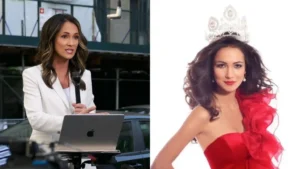
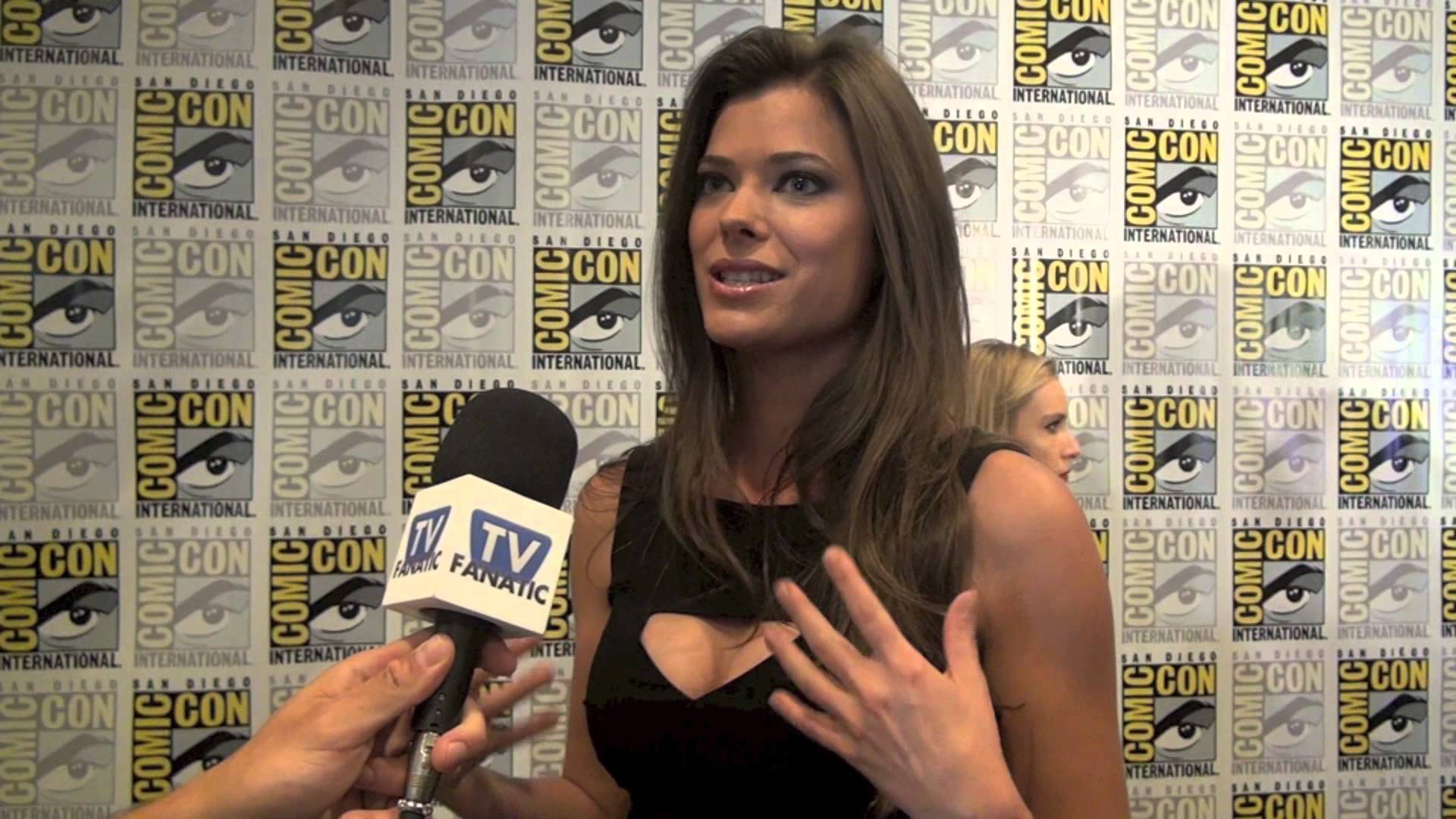

When you search for Peyton List, you might find yourself confused. That’s because there are two successful actresses with the same name working in Hollywood today. This comprehensive guide focuses exclusively on Peyton List, the talented actress born August 8, 1986, who captivated audiences in Mad Men, The Tomorrow People, and Frequency.
If you’re looking for information about the younger Peyton List from Cobra Kai or the recent Heathers Musical casting news, you’re thinking of a different actress born in 1998. This article clears up the confusion and provides everything you need to know about the original Peyton List who started her career in the 1990s.
Table of Contents
Who is Peyton List (Actress, Born 1986)?
Peyton Elizabeth List is an American actress and former model born on August 8, 1986, in Boston, Massachusetts. She began her entertainment career as a child model before transitioning into acting, where she became known for playing Jane Siegel (later Jane Sterling) on the critically acclaimed AMC series Mad Men. Unlike her younger namesake, this Peyton List built her career primarily in dramatic television roles and independent films throughout the 2000s and 2010s.
The Baltimore-raised actress has created a diverse body of work spanning soap operas, primetime dramas, science fiction series, and feature films. Her career showcases remarkable range, from daytime television on CBS to premium cable dramas on AMC and HBO, establishing her as a versatile performer in the entertainment industry.
Early Life and Education in Baltimore, Maryland
Peyton List was born in Boston, Massachusetts, but grew up primarily in Baltimore, Maryland, where her family settled during her childhood. Her parents, Douglas “Doug” List and Sherri Anderson, supported her early interests in the performing arts. She has a sister named Brittany List, who has largely stayed out of the public spotlight.
During her formative years in Baltimore, Peyton attended several prestigious educational institutions. She started at Cedarcroft pre-school before moving on to the Calvert School, a well-regarded private institution known for its academic rigor. She later attended Roland Park Country School, one of the oldest girls’ schools in the United States, where she balanced her education with her burgeoning modeling and acting career.
Beyond traditional academics, Peyton received specialized training at the School of American Ballet, one of the most prestigious ballet institutions in the country. This training provided her with discipline, poise, and physical awareness that would later benefit her acting career. The combination of classical education and artistic training in Baltimore shaped her into a well-rounded performer ready for the demands of professional entertainment.
From Teen Model to Actress: The Career Transition
Before establishing herself as an actress, Peyton List built a successful modeling career as a teenager. She was represented by Ford Models, one of the most respected modeling agencies in the industry, founded by Eileen Ford. Her modeling work included campaigns for major brands like Ralph Lauren and Abercrombie, which gave her valuable experience in front of cameras and working with creative teams.
Peyton’s modeling portfolio also featured magazine covers and editorial spreads in publications such as Girl’s Life magazine, Your PROM, and Bridal Guide. These early experiences in the modeling world taught her professionalism and comfort with the entertainment industry before she made her acting debut.
The transition from modeling to acting is a path many performers have taken, but Peyton approached it with dedication and training. Her early modeling work with agencies like T.H.E Artist Agency and Ford Models provided industry connections and experience that smoothed her entry into television and film. Unlike some models who struggle with the transition, Peyton’s natural talent and commitment to craft allowed her to succeed in both arenas.
Breaking Into Television: As the World Turns and Early Roles
Peyton List’s acting career began with small roles in the late 1990s. Her first credited role came in 1996 with an appearance on Sex and the City, the groundbreaking HBO series that was just beginning its cultural phenomenon run. This early exposure to professional television production gave her a taste of what would become her primary medium.
Her breakthrough came when she was cast as Lucy Montgomery on the long-running CBS daytime soap opera As the World Turns. Soap operas have historically served as training grounds for young actors, and Peyton’s time on As The World Turns was no exception. Playing Lucy Montgomery allowed her to develop her skills in front of cameras five days a week, learning to memorize extensive dialogue quickly and deliver emotional performances under tight production schedules.
The daytime soap opera experience proved invaluable for her career development. As the World Turns, which aired on CBS for 54 years before its cancellation, was known for launching the careers of numerous actors who would go on to primetime success. Peyton’s recurring role on the show gave her professional credits, industry connections, and the confidence to pursue more ambitious projects.
During this early period, she also appeared in the 1996 film Washington Square, marking her film debut. While the role was small, it demonstrated her ability to work across different mediums and genres, a versatility that would define her career.
The Mad Men Breakthrough: Jane Siegel Sterling
The role that brought Peyton List to widespread attention was Jane Siegel, later Jane Sterling, on AMC’s Mad Men. This critically acclaimed drama series, set in a 1960s advertising agency, became a cultural touchstone and won numerous Emmy Awards throughout its run from 2007 to 2015.
Peyton joined Mad Men in a recurring role that would become increasingly significant to the show’s narrative. Her character, Jane Siegel, started as a secretary at Sterling Cooper advertising agency before becoming romantically involved with and eventually marrying Roger Sterling, one of the agency’s senior partners played by John Slattery. The relationship between Roger and Jane became a major storyline, exploring themes of age differences, power dynamics, and the changing social landscape of the 1960s.
What made Peyton’s performance as Jane Siegel memorable was her ability to portray a character who could have easily been one-dimensional. Instead of playing Jane as simply a young woman using her looks to advance, Peyton brought nuance and complexity to the role. She showed Jane’s intelligence, ambition, vulnerability, and gradual disillusionment with her marriage to Roger Sterling.
Her work on Mad Men appeared across multiple episodes and seasons, making her a familiar face to the show’s devoted fanbase. The series’ prestige and critical success elevated Peyton’s profile significantly, associating her with quality television and opening doors to other premium cable and network opportunities. Mad Men’s place in television history means that Peyton’s portrayal of Jane Sterling will continue to be discovered by new audiences for years to come.
The AMC series also allowed Peyton to work with an ensemble cast of talented actors and acclaimed creator Matthew Weiner, whose attention to period detail and character development was legendary. This experience working on such a meticulously crafted show raised her own standards as a performer and demonstrated what television could achieve when given proper resources and creative freedom.
Science Fiction Success: FlashForward and The Tomorrow People
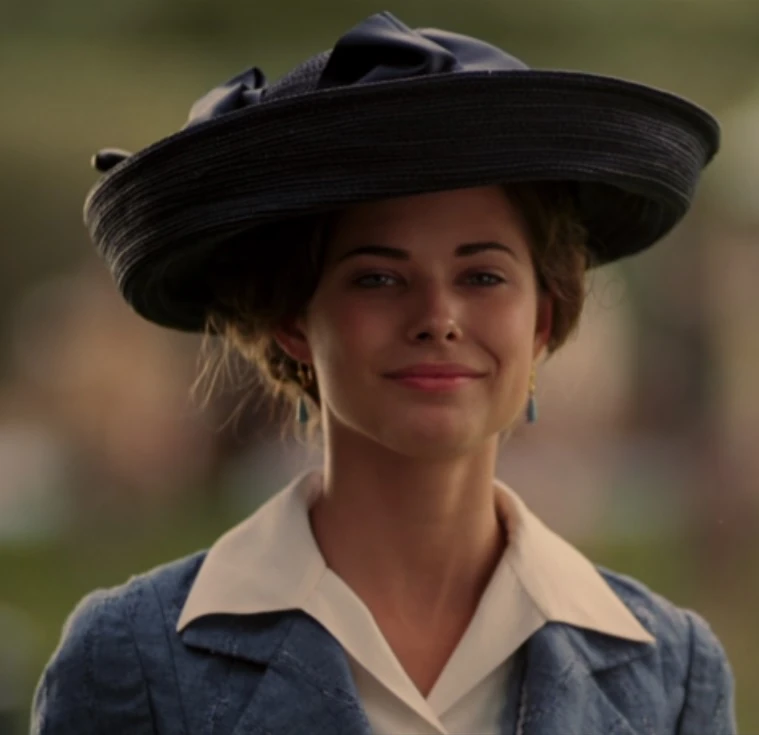
Following her success on Mad Men, Peyton List expanded into science fiction television, a genre that would become a significant part of her career. In 2009, she was cast as Nicole Kirby in ABC’s FlashForward, a high-concept science fiction drama about a global event that causes everyone on Earth to experience a vision of their future.
FlashForward, which starred Joseph Fiennes and John Cho, was highly anticipated due to its intriguing premise and the success of similar concept-driven shows like Lost. Peyton’s character Nicole Kirby appeared in multiple episodes, contributing to the show’s complex mythology about fate, free will, and predetermined futures. While FlashForward only lasted one season, it maintained a cult following and added science fiction credentials to Peyton’s resume.
Her most substantial science fiction role came with The CW’s The Tomorrow People, which premiered in 2013. In this series, Peyton played Cara Coburn, one of the lead characters and a central figure in the show’s mythology. The Tomorrow People focused on young people with special abilities who were hunted by a shadowy organization, exploring themes of evolution, persecution, and found family.
As Cara Coburn, Peyton portrayed a strong, capable leader of a group of telepathic and telekinetic young people living in hiding. The role allowed her to perform action sequences, demonstrate leadership qualities, and carry emotional storylines about trauma, trust, and survival. Cara’s relationship with other characters, particularly Stephen Jameson played by Robbie Amell, formed the emotional core of many episodes.
The Tomorrow People showcased Peyton’s ability to anchor a science fiction series and handle the physical demands of an action-oriented show. Though the series ran for only one season on The CW, it developed a passionate fanbase who appreciated its exploration of what it means to be different and the ethics of using extraordinary powers.
These science fiction roles demonstrated Peyton’s range beyond the period drama of Mad Men, showing she could convincingly inhabit futuristic settings and handle the technical challenges of genre television, from green screen work to elaborate fight choreography.
Frequency: A Starring Role in Time Travel Drama
One of Peyton List’s most prominent starring roles came in 2016 with The CW’s Frequency, a television adaptation of the 2000 film starring Dennis Quaid and Jim Caviezel. In this series, Peyton played Raimy Sullivan, a detective who discovers she can communicate with her deceased father through a ham radio that somehow connects across time.
Frequency represented a significant step forward in Peyton’s career, as she carried the show as the lead actress rather than playing a supporting or recurring character. The series required her to convey complex emotions as Raimy dealt with the possibility of preventing her father’s death while potentially altering the timeline in dangerous ways.
The role of Raimy Sullivan demanded both dramatic chops and the ability to make far-fetched science fiction concepts feel grounded and emotionally real. Peyton succeeded in making audiences invest in Raimy’s relationship with her father across time, the investigation of serial killers, and the ethical dilemmas of changing the past. Her chemistry with Riley Smith, who played her father Frank Sullivan, formed the emotional foundation of the series.
Throughout Frequency’s single season, Peyton demonstrated her ability to lead a network television series and handle the demanding production schedule that comes with being in nearly every scene. The show tackled themes of family, fate, sacrifice, and whether we can truly change our destinies. While ratings ultimately led to cancellation after one season, Frequency earned positive reviews for its performances, particularly Peyton’s central work as Raimy Sullivan.
The series also allowed Peyton to work in multiple genres simultaneously, as Frequency blended police procedural elements with science fiction, family drama, and even romance. This versatility showed casting directors and producers that she could anchor different types of programming, making her a valuable talent for future projects.
DC Comics Universe: Multiple Character Portrayals
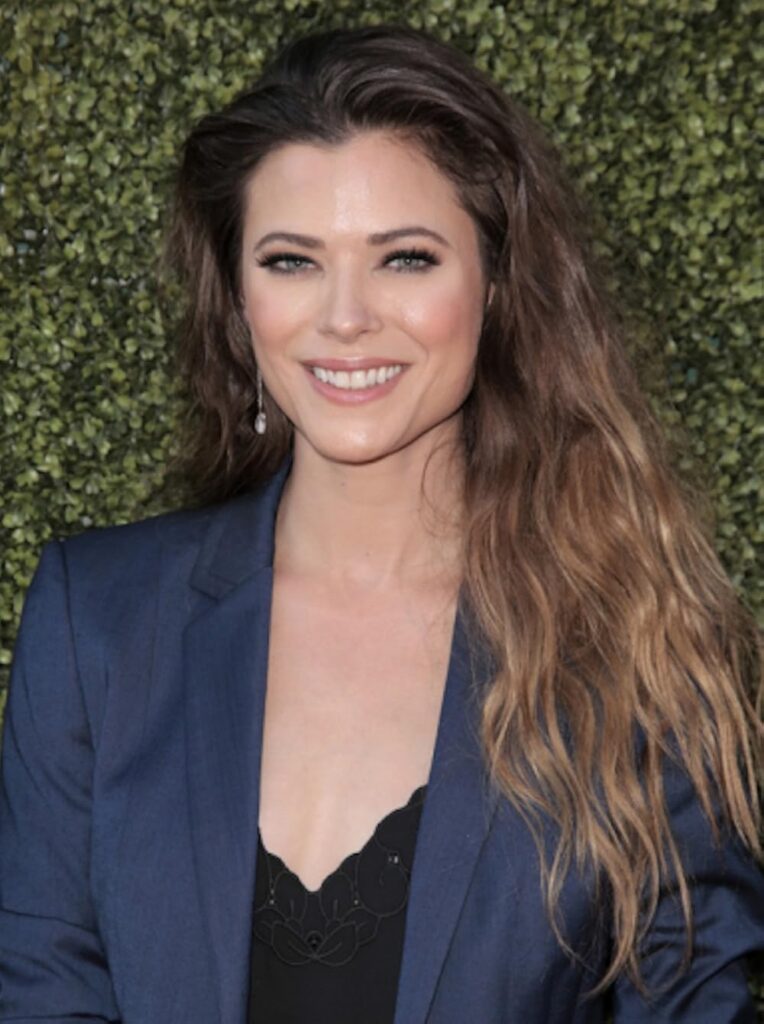
Peyton List has the distinction of portraying multiple characters within the DC Comics universe across different television series, showcasing the breadth of DC’s television presence during the 2010s. Each role demonstrated her ability to bring comic book characters to life in live-action adaptations.
Her first DC character was Lucy Lane on Smallville, the long-running series about Superman’s early years. Lucy Lane is the younger sister of Lois Lane, one of the most iconic characters in comic book history. While Peyton’s appearances as Lucy Lane were limited, they connected her to the Superman mythology and the world of superhero television.
More substantially, Peyton portrayed Lisa Snart, also known as Golden Glider, on The Flash. Lisa is the sister of Leonard Snart (Captain Cold) and possesses a specialized gun that creates golden constructs. The character appeared across multiple episodes, making her part of The Flash’s rogues gallery. Peyton brought charm and danger to Lisa Snart, creating a memorable antagonist who had her own moral code and complex relationship with her criminal brother.
Perhaps her most high-profile DC role came as Poison Ivy on Fox’s Gotham. This Batman prequel series showed the origins of various villains and heroes before Bruce Wayne became the Dark Knight. Peyton’s version of Poison Ivy appeared during the show’s later seasons, representing an older incarnation of the character after a previous younger actress had portrayed Ivy’s childhood.
As Poison Ivy on Gotham, Peyton embodied the eco-terrorist and plant-controlling villain with sophistication and menace. Her interpretation leaned into the character’s seductive danger and environmental extremism, creating a Poison Ivy that felt true to the comics while fitting Gotham’s unique aesthetic. The role required special effects work with her plant-based powers and a performance that balanced human emotion with inhuman transformation.
These DC Comics roles demonstrated Peyton’s appeal to genre fans and her ability to inhabit well-known characters with existing fanbases who have strong opinions about how they should be portrayed. Each character allowed her to explore different aspects of performance, from the grounded realism of Lucy Lane to the stylized villainy of Poison Ivy.
Film Career: Independent Movies and Character Work
While television has been Peyton List’s primary medium, her film career includes several notable independent films and character-driven projects. Her approach to film work has focused on interesting roles in smaller productions rather than pursuing mainstream blockbusters.
One of her early film roles came in The Greatest Game Ever Played (2005), a period sports drama directed by Bill Paxton. The film told the true story of Francis Ouimet, a young amateur golfer who competed in the 1913 U.S. Open. While Peyton’s role in the film was supporting, working with director Bill Paxton on a prestige historical drama provided valuable experience in film production.
She also appeared in independent films like Deep Winter and Shuttle, the latter being a horror thriller that showcased her range beyond the dramatic roles she typically played on television. Shuttle, in particular, demonstrated her willingness to work in genre films and explore darker material. The horror thriller allowed her to play vulnerability and terror, emotions different from the confidence she brought to characters like Cara Coburn or Jane Sterling.
Her film work has generally gravitated toward character pieces and genre films that allow for interesting performances rather than commercial mainstream releases. This approach reflects a choice to prioritize interesting roles over box office success, a decision many television actors make when balancing both mediums.
The independent film world also gave Peyton opportunities to work with different types of directors, smaller crews, and more intimate production environments compared to network television. These experiences broadened her skills and kept her connected to the roots of filmmaking even as her television career flourished.
Other Television Appearances and Guest Roles
Beyond her recurring and starring roles, Peyton List has built an impressive list of guest appearances across many different television series, demonstrating her versatility and consistent employability in the industry.
She appeared on Law & Order: Special Victims Unit, the long-running NBC procedural that has featured hundreds of actors over its decades on air. Guest-starring on SVU is a rite of passage for many New York-based actors, and Peyton’s appearance added to her credentials in procedural television.
Her television resume also includes appearances on shows like Star Trek: Picard, where she played Narissa, and Colony, expanding into more recent science fiction productions. The Star Trek franchise represents one of the most prestigious properties in science fiction, and being part of the Picard series connected her to that legacy.
She has also done voice acting work, lending her voice to Batman: Hush, an animated film in the DC Universe Animated Original Movies line. Voice acting requires different skills than live-action performance, and Peyton’s work in this medium shows her range and willingness to explore all aspects of acting.
Music video appearances early in her career also provided exposure and experience in front of cameras. These short-form projects helped build her resume during the early stages of her career when every credit mattered for building momentum.
Throughout her television career, Peyton has worked across all major networks including CBS, ABC, NBC, AMC, The CW, Fox, and HBO. This diversity of networks and production companies demonstrates her adaptability and broad appeal to different types of programming and audiences.
Personal Life: Hobbies, Interests, and Fun Facts
Outside of her professional career, Peyton List has various interests and hobbies that give insight into her personality beyond the characters she portrays. While she maintains relative privacy compared to some celebrities, certain fun facts have emerged over the years.
Peyton is a Harry Potter fan and has identified herself as a Gryffindor, the Hogwarts house known for bravery and courage. This connection to one of the most popular book and film franchises demonstrates her engagement with popular culture beyond her own work.
She has mentioned enjoying knitting as a hobby, a craft that provides a creative outlet different from acting and a way to relax between projects. Knitting also reflects a more traditional, patient side to her personality, contrasting with the fast-paced world of television production.
Her educational background included not just traditional schooling but also training in multiple disciplines. Beyond her ballet training at the School of American Ballet, she has shown interests in languages and music, playing instruments and developing skills beyond acting. This well-rounded education reflects her parents’ commitment to giving her diverse experiences and knowledge.
Growing up in Baltimore, Maryland, gave Peyton a connection to the East Coast and a grounded upbringing despite entering the entertainment industry young. The city’s rich history and cultural institutions likely influenced her appreciation for arts and culture beyond entertainment.
Her sister Brittany List has largely remained out of the public eye, and Peyton has been respectful of her family’s privacy while still acknowledging the support system they provided throughout her career. The List family’s support was crucial during her transition from child model to professional actress.
The Name Confusion: Peyton List vs. Peyton List
One of the most frequent sources of confusion for fans and search engines alike is the fact that there are two successful actresses named Peyton List working in Hollywood simultaneously. Understanding the difference is crucial for finding accurate information about either performer.
Peyton Elizabeth List, born August 8, 1986, is the subject of this article. She is the older of the two actresses and began her career in the 1990s. Her signature roles include Jane Sterling on Mad Men, Cara Coburn on The Tomorrow People, and Raimy Sullivan on Frequency. Her career has primarily focused on dramatic television roles across various networks and genres.
The younger actress, Peyton Roi List, was born on April 6, 1998, in Florida. She became famous for Disney Channel shows like Jessie and Bunk’d, and more recently gained acclaim for her role as Tory Nichols on Netflix’s Cobra Kai and the lead in School Spirits on Paramount+. This younger Peyton List is the one who was recently cast in Heathers The Musical in 2026, taking on the role of Heather Chandler in the Off-Broadway production.
The confusion between the two actresses has led to numerous mix-ups in news articles, social media posts, and even industry databases. Both actresses have acknowledged the situation, and the younger Peyton List has mentioned the confusion in interviews. For a period, both were active in the industry at similar levels, making the situation even more complicated.
From a Screen Actors Guild (SAG-AFTRA) perspective, this naming situation is unusual. Typically, the union requires actors to use different stage names if there’s already a member with that name. However, both actresses have managed to maintain their birth names, likely due to establishing their careers at different times or in different ways that didn’t trigger naming conflicts.
For fans and researchers, the key identifiers are:
- Birth years: 1986 vs. 1998
- Middle names: Elizabeth vs. Roi
- Career paths: Dramatic TV actress vs. Disney/Young adult actress
- Signature roles: Mad Men vs. Cobra Kai
- Birthplaces: Boston, Massachusetts vs. Florida
Search engines have increasingly tried to differentiate between the two by including birth years in search results and using different images, but confusion persists, especially when news breaks about either actress. The recent Heathers Musical casting is a perfect example, as initial searches for “Peyton List Heathers” might lead fans of the older actress to incorrectly think she’s joining the production.
Career Timeline and Milestones
Understanding Peyton List’s career chronologically helps appreciate how she built her resume and evolved as a performer over nearly three decades in entertainment.
1990s – Early Career:
- Modeling career begins with Ford Models
- Magazine covers for Girl’s Life, Your PROM, Bridal Guide
- Brand campaigns for Ralph Lauren and Abercrombie
- 1996: Film debut in Washington Square
- 1996: First television role on Sex and the City
- Late 1990s: Cast as Lucy Montgomery on As the World Turns
2000s – Television Foundation:
- Continued work on As The World Turns
- Guest appearances building television credits
- 2005: Supporting role in The Greatest Game Ever Played with Bill Paxton
- 2007: Cast as Jane Siegel on Mad Men (AMC)
- 2009: Recurring role as Nicole Kirby on FlashForward (ABC)
2010s – Expanding into Science Fiction and Lead Roles:
- Continued appearances on Mad Men through its run
- 2013: Lead role as Cara Coburn on The Tomorrow People (The CW)
- Appearances as Lucy Lane on Smallville
- Multiple episodes as Lisa Snart/Golden Glider on The Flash
- 2016: Starring role as Raimy Sullivan on Frequency (The CW)
- Recurring role as Poison Ivy on Gotham (Fox)
- Independent film work including Shuttle
- Voice work on Batman: Hush
2020s – Continued Television Work:
- Guest appearance as Narissa on Star Trek: Picard
- Recurring roles on Colony and other series
- Ongoing appearances in various television productions
This timeline shows a steady career progression from child model to working television actress, with key breakout roles on Mad Men, The Tomorrow People, and Frequency establishing her as a reliable dramatic performer capable of carrying storylines and series.
Awards, Recognition, and Critical Reception
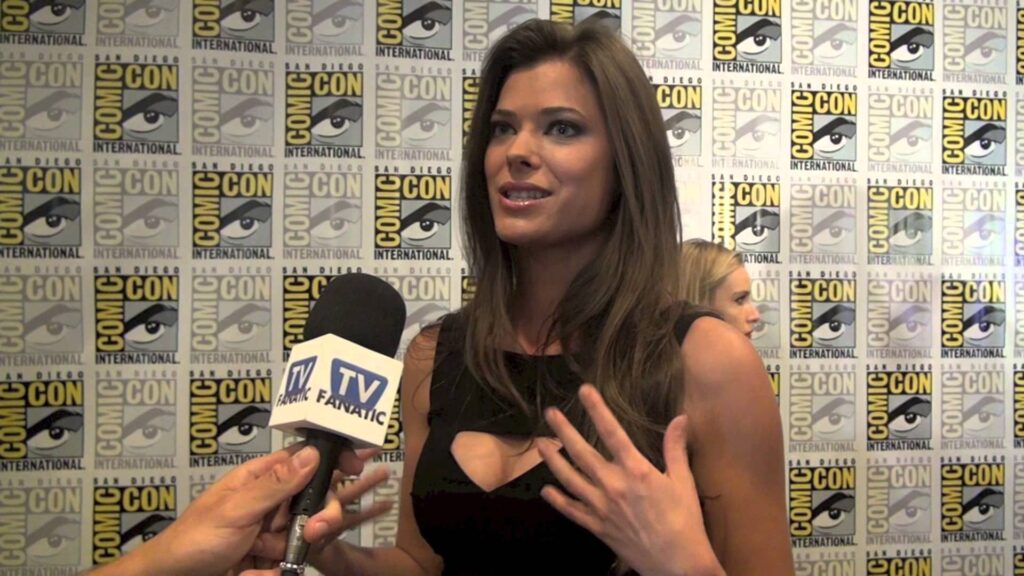
While Peyton List hasn’t accumulated major individual awards, her work has been part of critically acclaimed and award-winning productions. Mad Men, in particular, won 16 Emmy Awards during its run and is considered one of the greatest television dramas ever made. Being part of that ensemble cast and contributing to such a celebrated series represents significant recognition of her work.
The critical reception to her performances has generally been positive, with reviewers noting her ability to bring depth to supporting roles and lead complex narratives when given the opportunity. Her work on Frequency earned particular praise for making the show’s emotional core believable despite the far-fetched science fiction premise.
Genre fans have appreciated her multiple appearances in science fiction and superhero television, recognizing her commitment to portraying comic book characters faithfully while bringing her own interpretation. Her portrayals of DC Comics characters across multiple series have made her a familiar face in the comic book adaptation world.
The respect she’s earned in the industry is evidenced by her consistent employment across nearly 30 years and her ability to work with prestigious networks, acclaimed showrunners, and talented ensemble casts. In an industry where many actors struggle to maintain steady work, Peyton’s career longevity speaks to her professionalism and talent.
Comparing the Two Peyton Lists: A Reference Guide
For anyone still confused about which Peyton List is which, this comparison table provides quick reference information:
| Category | Peyton List (1986) | Peyton List (1998) |
|---|---|---|
| Full Name | Peyton Elizabeth List | Peyton Roi List |
| Birth Date | August 8, 1986 | April 6, 1998 |
| Birthplace | Boston, Massachusetts | Florida |
| Upbringing | Baltimore, Maryland | California/Florida |
| Career Start | 1990s modeling | 2000s Disney Channel |
| Most Famous For | Mad Men (Jane Sterling) | Cobra Kai (Tory Nichols) |
| Primary Genre | Drama, Science Fiction | Teen/Young Adult |
| Notable TV Shows | The Tomorrow People, Frequency, Gotham | Jessie, Bunk’d, School Spirits |
| DC Comics Roles | Poison Ivy (Gotham), Lisa Snart (The Flash) | None |
| Networks | AMC, ABC, The CW, Fox, CBS | Disney Channel, Netflix, Paramount+ |
| Heathers Musical | No connection | Cast as Heather Chandler (2026) |
| Career Focus | Adult dramatic roles | Young adult content |
| Age Difference | 12 years older | 12 years younger |
This table clarifies the key differences and helps fans, journalists, and researchers quickly identify which actress they’re looking for based on context clues.
Where is She Now? Current Projects and Future
As of 2026, Peyton List (born 1986) continues to work in television, taking on guest roles and recurring parts across various series. Unlike the peak visibility of starring roles like Frequency or The Tomorrow People, her recent work has been more selective, appearing in projects that interest her rather than pursuing every opportunity.
The evolution of her career reflects the reality for many television actors who establish themselves in their 20s and 30s. Rather than chasing lead roles in network series, she has the luxury of choosing projects based on creative interest, working with talented collaborators, and maintaining a sustainable career in entertainment.
Her experience across genres, networks, and character types makes her a valuable addition to ensemble casts and limited series. Casting directors know they can rely on her to deliver professional, nuanced performances whether the role is dramatic, comedic, or action-oriented.
The streaming era has also opened new opportunities for actors like Peyton, as platforms like Netflix, Amazon Prime, Hulu, and Paramount+ produce countless series that need experienced performers. Her background in science fiction makes her particularly well-suited for the genre content that dominates streaming platforms.
Why the Confusion Matters: SEO and Online Search Issues
The Peyton List name confusion creates significant challenges for online search, search engine optimization, and information accuracy. When someone searches for “Peyton List,” search engines must determine which actress the searcher intends based on context clues, search history, and other signals.
This disambiguation issue affects:
- Fans trying to find information about their favorite actress and ending up with content about the wrong person
- Journalists who accidentally attribute news about one Peyton List to the other, creating false information that spreads online
- Casting databases like IMDb and TMDB that must carefully maintain separate profiles and prevent mixing credits
- Social media platforms where both actresses have presence and fans sometimes tag or mention the wrong person
- Entertainment news sites that must be precise about which Peyton List they’re discussing, particularly for breaking news
The Heathers Musical casting announcement in 2026 is a perfect example of this confusion in action. News that “Peyton List joins Heathers” without specifying the birth year or other identifying information led many fans of the 1986-born actress to initially think she was taking on the role of Heather Chandler, when in fact it was the younger actress making her Off-Broadway debut.
Search engine optimization experts working on entertainment content must carefully use distinguishing keywords like birth years, signature roles, or middle names to ensure content ranks for the intended actress. This article, for instance, repeatedly uses “born 1986,” “Mad Men,” and other identifiers to signal to search engines which Peyton List is the subject.
Legacy and Impact on Television
While Peyton List (born 1986) may not have achieved the household name recognition of some of her contemporaries, her impact on television comes through consistent, quality work across multiple genres and decades. Her career represents a model of sustainable success in entertainment, building a diverse body of work rather than relying on one breakout role.
Her portrayal of Jane Sterling on Mad Men will likely be her most enduring legacy, as that series continues to be discovered by new audiences and studied as a pinnacle of television drama. Future viewers exploring Mad Men for the first time will encounter her performance as part of one of TV’s most acclaimed ensemble casts.
For science fiction fans, her work on The Tomorrow People, FlashForward, Frequency, and various DC Comics adaptations has made her a familiar and welcomed presence in the genre. She’s proven that genre television can showcase serious dramatic acting and that comic book adaptations benefit from performers who take the material seriously.
Her career also demonstrates the importance of versatility in the modern television landscape. By working across networks, genres, and role types, she’s maintained steady employment in an unpredictable industry. This adaptability serves as a model for actors building long-term careers rather than chasing short-term fame.
The Baltimore Connection: How Location Shaped Her Career
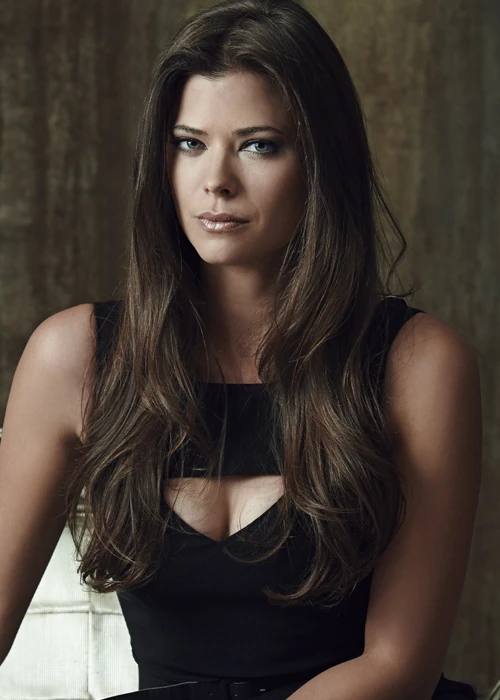
Growing up in Baltimore, Maryland, gave Peyton List a unique perspective compared to actors raised in Los Angeles or New York. Baltimore’s rich cultural heritage, including its theater scene, arts institutions, and educational opportunities, provided a strong foundation for her development as a performer.
The city’s Roland Park Country School, where Peyton studied, is known for graduating accomplished women across various fields. This educational environment emphasized both academic excellence and personal development, preparing her not just for acting but for navigating the business of entertainment.
Baltimore also kept her grounded during her early modeling and acting work. Rather than being immersed in Hollywood culture from childhood, she experienced a more typical American upbringing, attending local schools and developing interests beyond entertainment. This balance may have contributed to her longevity in the industry, preventing the burnout that affects some child performers.
The East Coast location also meant that when she began acting professionally, she was positioned for New York-based productions, including soap operas like As the World Turns that filmed in New York. This geographical advantage helped launch her television career before she eventually worked on productions across the country.
Training and Preparation: From Ballet to Acting
Peyton List’s training at the School of American Ballet represents more than just a childhood activity. The rigorous discipline, physical awareness, and performance skills developed through ballet training have direct applications to acting, particularly in television and film.
Ballet teaches performers how to be aware of their bodies in space, how to hit marks precisely, and how to convey emotion through physical movement. These skills translate directly to camera work, where actors must be technically precise while appearing natural and spontaneous. The discipline required to succeed in ballet, including endless repetition and attention to detail, mirrors the demands of television production.
Her modeling career also provided valuable training in working with cameras, taking direction, and maintaining professional behavior on set. By the time she transitioned to acting, she already understood the technical aspects of production and how to collaborate with photographers, directors, and crew members.
This foundation in both modeling and ballet meant that when Peyton pursued acting seriously, she brought professional experience and technical skills that many young actors lack. She understood how to find her light, hit her marks, and maintain energy through long shooting days, all skills learned through years of modeling and dance training.
Working Across Eras: From Soap Operas to Streaming
Peyton List’s career spans a transformative period in television history, from the dominance of traditional network programming and soap operas to the streaming revolution that changed entertainment forever. Her ability to adapt to these changes demonstrates professional flexibility and understanding of the evolving industry.
She began in the world of daytime soap operas on As the World Turns, a format that was already declining but still represented a major part of television in the early 2000s. Soap operas operated on a unique production model, filming episodes rapidly and maintaining ongoing storylines for decades. This environment taught her speed, efficiency, and the ability to create compelling performances under pressure.
As network television evolved, she moved into primetime drama with Mad Men, representing the prestige television movement that elevated the medium to new artistic heights. Working on a show with Mad Men’s production values and creative ambitions showed her what television could achieve when given proper resources.
The transition to cable and streaming brought new opportunities in genre television on networks like The CW, Fox, and eventually streaming platforms. Each platform has different audience expectations, production approaches, and creative freedom levels. Peyton’s work across all these formats shows her adaptability to changing industry norms.
The Modeling to Acting Pipeline: A Common Path
Peyton List’s career trajectory from modeling to acting represents a well-worn path in entertainment, though one that requires skill beyond physical appearance to succeed long-term. Many models attempt to transition into acting, but sustained success requires genuine talent, training, and dedication to the craft.
Her work with prestigious agencies like Ford Models gave her industry connections and professional experience that smoothed her entry into acting. Modeling taught her how to work with creative teams, take direction, and maintain professionalism on set, all transferable skills.
However, the transition from modeling to serious dramatic acting requires overcoming industry perceptions. Peyton succeeded by choosing substantial roles that showcased her acting ability rather than trading solely on her looks. Her work on As the World Turns provided the training ground to develop her craft before taking on more high-profile projects.
The modeling background also gave her financial stability during the early uncertain years of building an acting career. Many actors struggle financially while auditioning and taking small roles, but Peyton’s modeling work provided income while she established herself in the new field.
Today, the modeling to acting pipeline continues, but Peyton’s career shows that long-term success requires treating acting as a serious craft requiring study, practice, and continuous improvement rather than simply a glamorous extension of modeling work.
Character Analysis: The Roles That Defined Her Career
Examining Peyton List’s most significant characters reveals patterns in the types of roles she gravitates toward and excels at portraying:
Jane Sterling (Mad Men) showcased her ability to play complexity within apparent simplicity. Jane could have been a one-note “other woman” character, but Peyton brought intelligence, ambition, and gradual disillusionment to the role. She made audiences understand Jane’s choices while not necessarily agreeing with them, creating a fully realized person rather than a plot device.
Cara Coburn (The Tomorrow People) demonstrated her capacity for leadership roles and action-oriented characters. Cara was strong, capable, and traumatized, requiring Peyton to balance vulnerability with strength. The role showed she could carry a series and handle the physical demands of genre television.
Raimy Sullivan (Frequency) proved she could lead a network series as the central character. Raimy required emotional range from grief to determination to hope, all while making science fiction concepts feel grounded in human emotion. This role showed Peyton at her most mature as a performer, carrying complex storylines and emotional arcs.
Poison Ivy (Gotham) allowed her to explore villainy and stylized performance. Unlike her more naturalistic roles, Poison Ivy required a heightened, almost theatrical approach fitting Gotham’s unique aesthetic. Her willingness to embrace this different style showed range beyond dramatic realism.
These signature roles share common elements: intelligent women navigating complex situations, characters with agency and clear motivations, and stories that allow for emotional depth beyond surface-level plotting. Peyton has built her career on choosing roles with substance rather than pursuing fame for its own sake.
Industry Relationships and Professional Reputation
While Peyton List maintains relative privacy about her personal life, her professional reputation in the industry appears strong based on her consistent employment and the quality of projects she’s been part of. Actors who are difficult to work with or unprofessional rarely maintain steady careers across decades, so her longevity speaks to positive working relationships with directors, producers, and fellow cast members.
Her experience working with acclaimed showrunners like Matthew Weiner on Mad Men exposed her to the highest levels of television production. These relationships and experiences shaped her understanding of quality storytelling and raised her standards for the projects she pursues.
Casting directors value actors who bring professionalism, talent, and flexibility to projects. Peyton’s ability to work across genres, from period drama to science fiction to comic book adaptations, makes her a versatile choice for various productions. Directors appreciate performers who understand the technical aspects of production while bringing emotional authenticity to their characters.
The Science Fiction Community and Fandom
Peyton List’s multiple roles in science fiction television have earned her a place in genre fandom communities. From FlashForward to The Tomorrow People to Frequency and her DC Comics characters, she’s become a familiar face to fans who follow science fiction programming closely.
Genre fans are often deeply passionate about the shows they love, creating online communities, fan fiction, and detailed discussions about characters and storylines. Peyton’s performances in these series connected with audiences who appreciated her commitment to making fantastical concepts feel emotionally real.
The science fiction community also values actors who respect the source material and understand the importance of these stories to fans. Her portrayals of comic book characters like Poison Ivy and Lisa Snart/Golden Glider demonstrated knowledge of the characters’ histories while bringing fresh interpretations.
Convention appearances and fan interactions have allowed her to connect directly with the science fiction community, though she maintains a lower profile than some genre actors. This selective engagement respects fan enthusiasm while maintaining personal boundaries, a balance many actors struggle to achieve.
The Evolution of Female Characters in Television
Peyton List’s career coincides with significant changes in how women are portrayed on television. When she started in the late 1990s, female characters often played supporting roles to male leads or were limited to certain archetypes. By the time she starred in Frequency, female-led genre shows had become more common and complex.
Her role as Cara Coburn on The Tomorrow People represented a type of female character that would have been rare in earlier decades: a capable leader who drives the story forward rather than existing as support for male characters. Cara made decisions, faced consequences, and had her own compelling arc independent of romantic relationships.
Similarly, Raimy Sullivan on Frequency was a detective protagonist solving crimes and navigating time travel paradoxes, a role that would have defaulted to a male character in earlier eras. Peyton’s ability to carry these stories helped demonstrate that female-led genre television could succeed with audiences.
Even her role as Jane Sterling on Mad Men, while depicting a woman in the constrained world of the 1960s, showed the complexity of female experience and ambition during that era. The character arc from secretary to wife to disillusioned partner illustrated how societal expectations shaped women’s choices.
Her career reflects and contributes to television’s evolution toward more diverse, complex, and central female characters across all genres.
Navigating a Competitive Industry
The entertainment industry is notoriously competitive, with thousands of talented actors competing for limited roles. Peyton List’s sustained career demonstrates successful navigation of this challenging landscape through a combination of talent, professionalism, strategic choices, and adaptability.
Starting young with modeling and early television work gave her a head start in building industry connections and professional experience. By the time many actors are just beginning, she already had years of set experience and a substantial resume.
Her willingness to work across genres and platforms rather than limiting herself to one type of role has provided more opportunities. An actor who only pursues leading roles in prestige dramas will face more rejection than one willing to take interesting supporting roles, guest appearances, and genre work.
The decision to focus on television rather than aggressively pursuing film stardom may also have contributed to her career longevity. Television provides more consistent work opportunities and allows actors to develop characters over multiple episodes or seasons, creating more substantial bodies of work.
Professional reputation matters enormously in entertainment. Word travels quickly about actors who are difficult, unprepared, or unprofessional. Peyton’s continued employment suggests she’s built positive relationships and a reputation for reliability that keeps casting directors thinking of her for new projects.
The Business of Acting: Career Management
Behind every successful acting career is strategic career management, whether handled personally or through representatives like agents and managers. Peyton List’s career trajectory suggests thoughtful decision-making about which roles to pursue and which to decline.
Choosing to stay with Mad Men across multiple seasons, even in a recurring rather than starring capacity, proved strategically wise. The show’s prestige and cultural impact raised her profile more than a leading role on a quickly canceled series might have. This demonstrates understanding that quality and visibility matter as much as billing.
Balancing network television, cable drama, and streaming projects diversifies an actor’s resume and reduces risk. If one platform declines in importance, having experience across multiple formats provides options. Peyton’s work on CBS, ABC, The CW, AMC, Fox, and HBO prepared her for whatever platform dominates in the future.
The decision to pursue science fiction and genre work, rather than limiting herself to prestige drama, opened up an entire category of roles. Genre television and comic book adaptations have become increasingly important in the entertainment landscape, and her early embrace of these projects positioned her well.
Career longevity also requires financial management. Unlike actors who chase expensive lifestyles during peak earning years, sustaining a decades-long career requires planning for slower periods and building financial stability that allows for selective project choices.
Comparing Career Paths: Peyton List (1986) vs. Contemporary Actors
Examining Peyton List’s career alongside her contemporaries provides context for her choices and achievements. Actors born in the mid-1980s entered the industry during the transition from traditional network television dominance to the fragmented, streaming-focused landscape of today.
Some actors from this generation pursued film careers exclusively, others focused on comedy, and some chased blockbuster franchises. Peyton’s path through dramatic television, particularly genre television, represents one successful approach among many possibilities.
Actors like her who built careers on ensemble casts and recurring roles rather than solo starring vehicles often achieve greater longevity. Ensemble work provides steadier employment, builds collaboration skills, and reduces the pressure that comes with carrying entire productions alone.
Her choice to embrace science fiction and comic book adaptations aligned with industry trends that have only accelerated. As superhero content and genre programming have dominated entertainment, actors with experience in these areas have found increasing opportunities.
The comparison with the younger Peyton List (born 1998) also illustrates different career paths. The younger actress built her career through Disney Channel children’s programming before transitioning to young adult content, while the older Peyton started in modeling and soap operas before moving to prestige drama. Both approaches can lead to successful careers, but they appeal to different audiences and require different skills.
The Role of Social Media and Online Presence
Peyton List maintains a social media presence but doesn’t pursue the aggressive online engagement that defines some contemporary celebrities. This measured approach to social media reflects a generation of actors who began their careers before Twitter, Instagram, and TikTok dominated celebrity culture.
For actors of her generation, online presence serves primarily to connect with existing fans rather than build fame. Her social media use appears focused on professional updates and selective personal sharing rather than constant content creation.
This contrasts with the younger Peyton List and other actors who came of age during social media’s dominance, who often have millions of followers and highly active online presences. Different career stages and generational attitudes toward privacy explain these varying approaches.
The name confusion between the two Peyton Lists creates social media challenges, as fans sometimes tag or mention the wrong actress in posts. Both have occasionally had to clarify which Peyton List was being discussed in viral posts or news stories, adding another dimension to the naming situation.
Future Possibilities and Career Directions
As Peyton List continues her career in 2026 and beyond, several paths remain open. The streaming era has created unprecedented opportunities for experienced television actors, with platforms constantly producing new series that need talented performers.
Limited series and anthology shows represent particularly good fits for actors at this career stage. These projects offer substantial roles without the long-term commitment of traditional series, allowing for schedule flexibility and project selectivity.
The continued growth of genre content, particularly science fiction and superhero adaptations, aligns perfectly with Peyton’s established strengths. As comic book universes expand across multiple platforms and new franchises emerge, her experience portraying DC Comics characters makes her a natural fit for similar projects.
Streaming platforms have also enabled more diverse storytelling and character types. Series exploring complex women in their 30s and 40s have become more common, creating roles that might not have existed in the network-dominated television landscape of earlier decades.
Voice acting represents another growth area. Peyton’s work on Batman: Hush demonstrated she can bring her dramatic skills to animation, and the booming market for animated series, video games, and audiobooks provides new opportunities that don’t require physical presence on set.
The Importance of Character Actresses in Television
While the term “character actress” sometimes carries negative connotations about career trajectory, it actually describes performers who excel at creating distinctive, memorable characters rather than playing variations of themselves. Peyton List’s career exemplifies this valuable approach to acting.
Character actresses often have longer, more diverse careers than actors typecast in narrow roles or dependent on physical appearance. By demonstrating range across genres and character types, Peyton has positioned herself for continued work as industry trends shift.
The television industry relies on skilled character actresses who can disappear into roles, bring authenticity to different settings and time periods, and support storylines without requiring top billing. These performers form the backbone of quality television, even when they don’t receive the same recognition as stars.
Her ability to make characters like Jane Sterling, Cara Coburn, and Raimy Sullivan feel distinct from each other demonstrates the character actress skill of transformation. Audiences remember these characters rather than simply seeing “Peyton List playing different versions of herself.”
This approach to craft over celebrity has sustained many long television careers, and Peyton’s focus on interesting roles rather than fame positions her well for continued success in an industry that constantly changes but always needs talented performers.
Conclusion: A Career Built on Versatility and Craft
Peyton List, the actress born in Boston, Massachusetts on August 8, 1986, has built a remarkable career spanning nearly three decades in entertainment. From her early days as a child model represented by Ford Models, through her formative work on the CBS soap opera As the World Turns, to her breakthrough role as Jane Siegel Sterling on AMC’s Mad Men, she has consistently demonstrated versatility, professionalism, and dramatic skill.
Her willingness to embrace science fiction television distinguished her from actors who limit themselves to prestige drama. Lead and supporting roles on The Tomorrow People, FlashForward, and Frequency, plus portrayals of multiple DC Comics characters including Poison Ivy on Gotham and Lisa Snart on The Flash, established her as a genre favorite capable of making fantastical concepts feel emotionally grounded.
The Baltimore-raised actress’s career reflects intelligent choices about when to pursue starring roles and when supporting parts in quality productions serve long-term goals better. Her work across every major network including CBS, ABC, NBC, AMC, The CW, Fox, and HBO demonstrates broad appeal and adaptability to different production styles and audience expectations.
While the name confusion with the younger Peyton List (born 1998) creates ongoing search challenges and occasional mix-ups in entertainment news, it also highlights how both actresses have successfully built careers under the same name in the same competitive industry. The recent Heathers Musical casting of the younger actress serves as a reminder of the importance of using birth years and other identifiers when discussing either performer.
As television continues evolving through streaming platforms, limited series, and new formats, Peyton List’s foundation in diverse genres and character types positions her well for continued success. Her career model of sustained work, professional reputation, and craft-focused approach represents a blueprint for longevity in entertainment that prioritizes interesting roles over fame for its own sake.
For fans seeking information about Peyton List the actress from Mad Men, The Tomorrow People, and Frequency, this comprehensive guide provides the definitive resource for understanding her career, distinguishing her from her younger namesake, and appreciating her contributions to dramatic television across multiple decades and genres.