
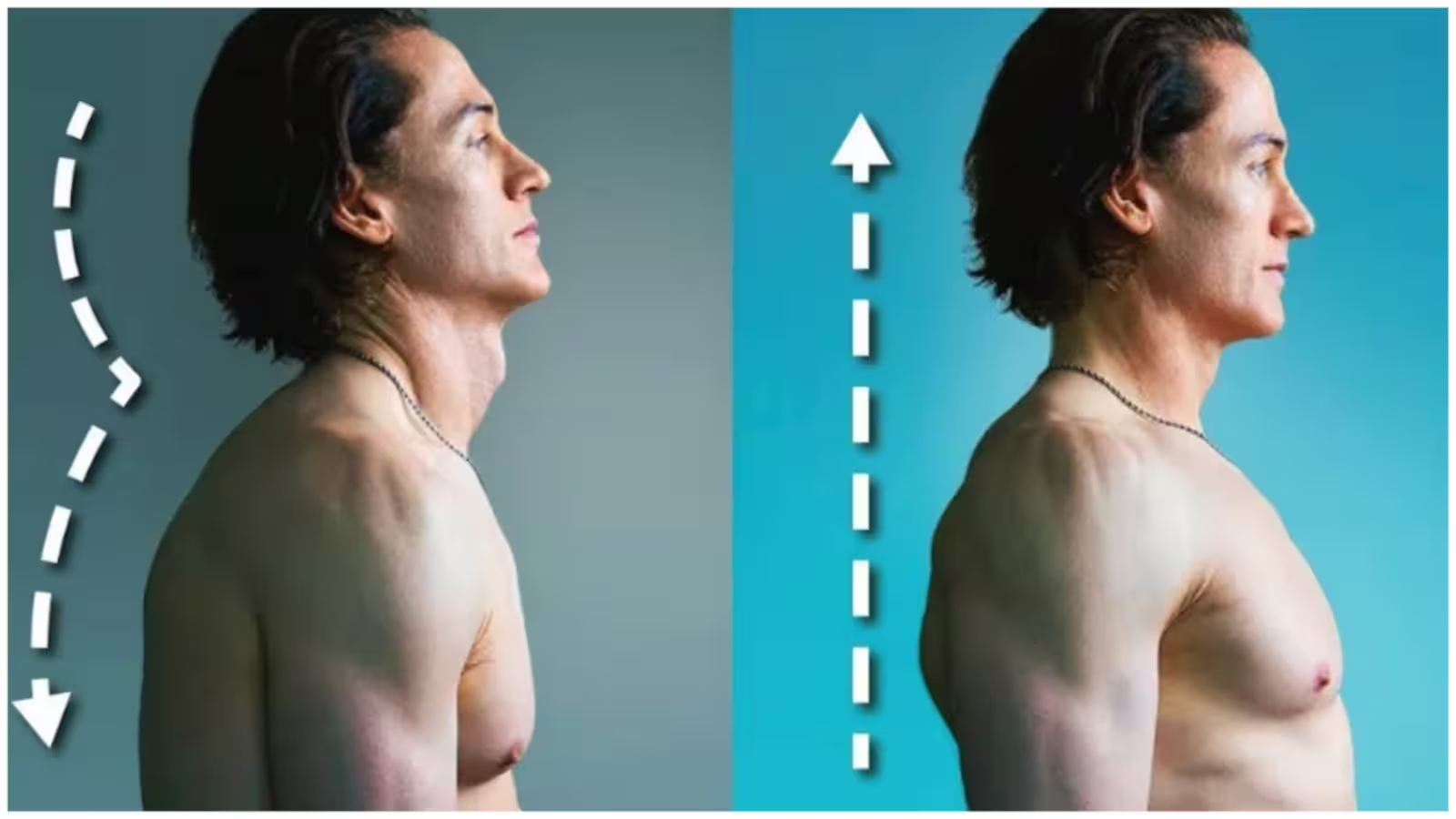

At 48 years old, Bryan Johnson is attempting to biologically age backwards—and he has the resources to do it. The tech mogul who sold his payment company for $800 million now spends over $2 million annually trying to achieve immortality. This entrepreneur turned anti-aging pioneer has become one of the most fascinating and controversial figures in both Silicon Valley and longevity science.
Table of Contents
Bryan Johnson Biography Table
| Category | Details |
|---|---|
| Full Name | Bryan Johnson |
| Date of Birth | August 22, 1977 |
| Age (2026) | 48 years old |
| Birthplace | Provo, Utah, USA |
| Zodiac Sign | Leo |
| Height | 6 feet (183 cm) |
| Weight | 163-174 lbs (74-79 kg) |
| Body Fat % | 3.5-6% |
| Nationality | American |
| Education | BA in International Studies – Brigham Young University (2003)<br>MBA – University of Chicago Booth School of Business (2007) |
| Occupation | Entrepreneur, Venture Capitalist, Tech Mogul |
| Known For | Founder of Braintree, Project Blueprint, Anti-aging Pioneer |
| Net Worth (2026) | $400 million |
| Marital Status | In a relationship with Kate Tolo |
| Previous Relationships | Divorced (first wife, name undisclosed)<br>Engaged to Taryn Southern (2016-2019) |
| Children | 3 (Jefferson, Talmage, Genevieve) |
| Companies Founded | Braintree (2007)<br>OS Fund (2014)<br>Kernel (2016)<br>Project Blueprint (2021) |
| Major Achievement | Sold Braintree to PayPal for $800 million (2013) |
| Current Residence | Los Angeles, California, USA |
| Annual Anti-Aging Spending | $2+ million |
| Medical Team Size | 30+ doctors and specialists |
| Social Media | Active on YouTube, Instagram, Twitter |
| Netflix Documentary | “Don’t Die: The Man Who Wants to Live Forever” (January 2025) |
Bryan Johnson Age: How Old Is He in 2026?
Birth Date and Chronological Age
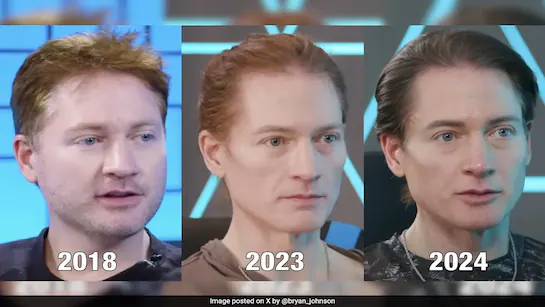
Bryan Johnson was born on August 22, 1977, in Provo, Utah, making him 48 years old as of 2026. His zodiac sign is Leo, which interestingly aligns with his ambitious personality and relentless drive to conquer aging itself. While most people accept the natural progression of time, this venture capitalist has made it his life’s mission to prove that chronological age doesn’t have to dictate how we look, feel, or function.
The date August 22, 1977, marks not just the birth of an individual, but the beginning of what would become one of the most ambitious self-experimentation projects in modern history. Growing up in Utah during the late 1970s and 1980s, young Bryan had no idea he would eventually become synonymous with the anti-aging movement.
Biological Age vs. Chronological Age
Here’s where things get extraordinary—and controversial. While Bryan Johnson’s chronological age firmly places him at 48 years old, he claims his biological age tells a dramatically different story. According to measurements taken through Project Blueprint, his comprehensive anti-aging protocol, various organs in his body function at ages ranging from 18 to 37 years old.
Johnson uses epigenetic age measurements, specifically the Horvath clock and other epigenetic clocks, to assess his biological age. These tests analyze DNA methylation patterns to estimate how old your cells appear to be, regardless of your birth certificate. His claims include having the heart of a 37-year-old, the skin of a 28-year-old, and the lung capacity and fitness of an 18-year-old.
However, the scientific community remains divided on these assertions. Dr. Morgan Levine, a leading expert in biological aging research, has pointed out that epigenetic clocks have limitations and can be manipulated through lifestyle interventions without necessarily indicating true age reversal at the cellular level. The controversy surrounding biological age claims doesn’t diminish Johnson’s dedication—it actually fuels public fascination with his experiment.
What makes this particularly intriguing is Johnson’s public transparency. Unlike many in the longevity space who make grand claims without data, he publishes his biomarkers, shares his protocols, and invites scientific scrutiny. Whether you believe his 18-year-old biological age claims or not, there’s no denying he’s pushing the boundaries of what we understand about human aging.
Bryan Johnson Height and Physical Stats
Height and Weight
Bryan Johnson stands at 6 feet tall (183 cm), which places him slightly above average height for American men. His weight fluctuates between approximately 163-174 pounds (74-79 kg), depending on his current protocol adjustments. What’s truly remarkable isn’t just these numbers, but what they represent in terms of body composition.
Johnson maintains an extraordinarily low body fat percentage, reportedly between 3.5% and 6%. For context, most athletes maintain body fat between 6-13%, and the average adult male sits around 18-24%. Operating at such low body fat levels requires extreme discipline and comes with both benefits and potential health risks that medical experts continue to debate.
His physical measurements read like those of a professional athlete in peak condition: lean muscle mass, optimal bone density for his age group, and cardiovascular metrics that genuinely do match younger populations. At 6 feet and his maintained weight range, his Body Mass Index (BMI) calculates to approximately 22-23, which falls within the “normal” range, though BMI doesn’t account for his exceptional muscle-to-fat ratio.
Physical Transformation
The before-and-after comparison of Bryan Johnson is genuinely striking. Photos from his Braintree days show a typical tech entrepreneur—slightly heavier, with the stress-worn appearance common in Silicon Valley. Today, his transformation is visible: taut skin, defined musculature, and a vibrancy that seems almost unnaturally preserved.
His daily fitness routine is nothing short of extreme. Johnson wakes at 5:00 AM and immediately begins a regimen that includes 35 different exercises. These aren’t casual workouts—they’re precisely calibrated movements designed to target specific muscle groups, maintain bone density, optimize cardiovascular health, and preserve flexibility. His routine includes high-intensity interval training, strength training, stretching protocols, and balance exercises.
The dietary restrictions supporting this physique are equally intense. Johnson consumes exactly three meals within a strict 5-hour eating window, amounting to approximately 1,977 calories daily. He ingests 70 pounds of vegetables monthly—primarily organic, carefully measured for pesticide content. Every meal is weighed, tracked, and optimized for nutrient density. He avoids all processed foods, alcohol, caffeine after morning hours, and added sugars.
His body measurements genuinely match younger age groups in several categories. His VO2 max (a measure of cardiovascular fitness) tests in the top percentile for 18-year-olds. His muscle recovery time mirrors that of athletes in their twenties. Skin elasticity measurements, bone density scans, and organ function tests all paint a picture of someone who has, at minimum, dramatically slowed typical aging processes.
Bryan Johnson’s Early Life and Education

Childhood and Family Background
Bryan Johnson’s journey began far from the glamorous world of Silicon Valley venture capitalists and anti-aging laboratories. He was born in Provo, Utah, a city known for being home to Brigham Young University and its strong Mormon community. He grew up in nearby Springville, Utah, in a middle-class household as the middle child among his siblings.
His childhood wasn’t without challenges. Johnson’s parents divorced when he was young, and he was subsequently raised by his mother and stepfather. This family disruption, which he’s occasionally referenced in interviews, shaped his perspective on stability, success, and perhaps his drive to control outcomes in his life—including his own biological destiny.
Growing up Mormon in Utah meant religion was central to his upbringing. At age 19, following tradition, Johnson served as a Mormon missionary in Ecuador for two years. This experience in South America exposed him to different cultures, poverty, and life circumstances vastly different from his Utah upbringing. The discipline, structure, and persuasive skills required for missionary work would later prove valuable in his entrepreneurial ventures.
The contrast between his modest Utah beginnings and his current $400 million net worth represents a classic American success story, but one with an unusual twist—rather than simply enjoying his wealth, Johnson has redirected it toward an almost obsessive quest for longevity.
Educational Journey
After returning from his mission in Ecuador, Bryan Johnson enrolled at Brigham Young University, where he earned his Bachelor of Arts degree in International Studies in 2003. During his college years, he wasn’t just a student—he was already experimenting with business ventures. He sold cell phones and explored various entrepreneurial opportunities, displaying the hustler mentality that would define his career.
However, Johnson recognized that to play in the big leagues of business, he needed more than undergraduate education and street smarts. In 2007, he earned his MBA from the prestigious University of Chicago Booth School of Business. Booth is consistently ranked among the top business schools globally, known for its analytical approach and emphasis on rigorous thinking—qualities clearly evident in Johnson’s later scientific approach to anti-aging.
The timing of his MBA was crucial. While completing his graduate studies, Johnson was simultaneously building what would become his breakthrough company, Braintree. The combination of formal business education and real-world entrepreneurial experience created a powerful foundation. His International Studies background gave him global perspective, while his MBA provided the financial acumen and strategic frameworks needed to build and eventually sell a company for hundreds of millions.
During college, he also met his first wife (whose name he’s kept private), and they would go on to have three children together before divorcing around 2013, coincidentally the same year he sold Braintree to PayPal.
Bryan Johnson’s Career: From Startups to Millions
Early Ventures (1999-2007)
Before Braintree made him famous, Bryan Johnson cut his teeth on several smaller ventures that taught him crucial lessons about business, failure, and persistence. His first significant venture was a cell phone sales business while still in college. This wasn’t glamorous tech entrepreneurship—it was grinding, person-to-person sales that taught him about customer acquisition, margins, and the importance of solving real problems.
After that, he founded Inquist, a VoIP (Voice over Internet Protocol) company, during the early 2000s when internet telephony was emerging as a disruptive technology. While Inquist didn’t achieve massive success, it gave Johnson valuable experience in the tech sector and exposed him to payment processing challenges—insights that would directly inform his next venture.
He also attempted a real estate project with his brother, which reportedly didn’t go as planned. In interviews, Johnson has acknowledged these early failures as essential learning experiences. Each setback refined his understanding of market timing, customer needs, and execution challenges. Unlike many entrepreneurs who hit it big on their first try, Johnson’s path included the trial, error, and resilience that often characterize lasting success.
These early ventures established patterns that would define Johnson’s approach: identify a genuine market inefficiency, apply technology to solve it, and execute relentlessly. He wasn’t chasing trends—he was solving problems he personally encountered.
Braintree: The Game-Changing Success
In 2007, while pursuing his MBA at University of Chicago, Bryan Johnson founded Braintree with a clear vision: simplify payment processing for online and mobile businesses. At the time, payment processing was clunky, expensive, and developer-unfriendly. Major players like PayPal had complex APIs that frustrated developers. Johnson saw an opportunity to build something better.
Braintree offered a streamlined payment gateway with a clean API, transparent pricing, and excellent developer documentation. The company quickly gained traction among startups and tech companies who appreciated the simplified integration. Johnson’s timing was impeccable—mobile commerce was exploding, and companies needed modern payment solutions.
The company’s growth trajectory was impressive. Braintree processed its first $1 million in transactions within months, and that number multiplied rapidly. By focusing on customer experience and developer satisfaction, the company attracted high-profile clients including Airbnb, Uber, GitHub, and LivingSocial.
In 2012, Braintree made a strategic acquisition that would prove transformative: they purchased Venmo for $26.2 million. At the time, Venmo was a small peer-to-peer payment app with a social component. Johnson recognized that Venmo’s social payment features and millennial user base complemented Braintree’s merchant services perfectly. This acquisition demonstrated Johnson’s strategic foresight—Venmo would eventually become one of the dominant P2P payment platforms in the United States.
The combination of Braintree’s merchant services and Venmo’s consumer appeal made the company extremely attractive to larger players. In September 2013, PayPal (then owned by eBay) acquired Braintree for $800 million in cash. Johnson’s personal payout exceeded $300 million, instantly transforming him from successful entrepreneur to genuinely wealthy tech mogul.
This wasn’t just a financial win—it validated Johnson’s approach to building customer-focused, technology-driven solutions. The Braintree sale gave him the resources to pursue increasingly ambitious projects, ultimately leading to his current obsession with defeating aging itself.
OS Fund (2014)
Fresh off his Braintree windfall, Bryan Johnson didn’t simply retire to enjoy his fortune. Instead, in 2014, he founded OS Fund with a $100 million personal investment, establishing himself as a venture capitalist focused on science and technology startups that could fundamentally improve human existence.
The name “OS Fund” cleverly references “operating system”—Johnson’s investment philosophy centers on backing companies working on the foundational technologies that will power human progress. His investment thesis focuses on companies working in genomics, synthetic biology, artificial intelligence, precision medicine, and other deep science areas.
OS Fund investments have included companies like Memphis Meats (cultured meat), Synthego (genome engineering), Emerald Therapeutics (cloud-based life science research), and dozens of others working on transformative technologies. Johnson wasn’t interested in funding another social media app or food delivery service—he wanted to back companies tackling humanity’s biggest challenges.
His approach as a venture capitalist reflects his background as an operator. Johnson provides not just capital but strategic guidance, connections, and the credibility that comes from having successfully built and sold a major company. Portfolio companies consistently cite his hands-on involvement and genuine interest in their scientific missions.
The OS Fund experience also deepened Johnson’s engagement with cutting-edge science, exposing him to advances in biotechnology, neuroscience, and longevity research that would directly influence his later personal projects. Investing in companies pushing the boundaries of human capability apparently made him wonder: why not push his own boundaries?
Kernel (2016-Present)
In 2016, Bryan Johnson founded Kernel, investing $100 million of his personal wealth into developing advanced brain-machine interface technology. While Elon Musk’s Neuralink gets more media attention, Kernel has been quietly working on non-invasive ways to measure and potentially enhance brain function.
Kernel’s mission is to develop neurotechnology that can measure and analyze brain activity with unprecedented precision. The company has developed two primary products: Kernel Flow, which uses time-domain functional near-infrared spectroscopy (TD-fNIRS) to measure brain activity, and Kernel Flux, which uses magnetoencephalography (MEG) to detect magnetic fields produced by neural activity.
Unlike invasive brain-computer interfaces that require surgery, Kernel’s devices work externally, like sophisticated headsets. The potential applications span from medical diagnostics (detecting Alzheimer’s, depression, ADHD) to cognitive enhancement and even creating more intuitive human-computer interactions.
Johnson’s vision for Kernel extends beyond medical applications. He sees a future where understanding and optimizing brain function becomes as routine as monitoring physical health metrics. The technology could eventually help people enhance focus, improve memory, or even communicate thoughts directly to computers.
The company has faced technical challenges—measuring brain activity with precision from outside the skull is extraordinarily difficult. However, Kernel has made significant progress, reducing the size and cost of their devices while improving accuracy. The company continues operating today, though it maintains a lower public profile than Johnson’s more recent anti-aging work.
Kernel represents Johnson’s belief that humanity’s next frontier isn’t outer space but inner space—the three pounds of complexity sitting between our ears. His willingness to invest $100 million of personal capital demonstrates his commitment to moonshot projects that could fundamentally change human experience.
Project Blueprint (2021-Present)
In October 2021, Bryan Johnson launched Project Blueprint, the initiative that would transform him from successful tech entrepreneur into one of the world’s most recognized—and controversial—figures in longevity science. If Braintree made him wealthy and Kernel showcased his scientific ambitions, Project Blueprint revealed something deeper: an almost desperate quest to control, optimize, and ultimately defeat human aging.
Project Blueprint is Johnson’s comprehensive anti-aging protocol, a systematic approach to slowing, stopping, and potentially reversing aging. But calling it a “protocol” understates its scope—it’s more accurately described as a total life reorganization around a single goal: don’t die. Johnson spends over $2 million annually on this pursuit, supported by a team of more than 30 doctors and health specialists who monitor, measure, and optimize virtually every aspect of his physiology.
The daily protocols are extreme by any standard. Johnson wakes at 5:00 AM without an alarm, having optimized his sleep so precisely that his body naturally wakes at the same time. He immediately begins his routine of 35 different exercises, each targeting specific aspects of fitness, flexibility, or functional movement. He consumes exactly 61 pills daily—supplements carefully selected based on his biomarker data and the latest longevity research.
His diet consists of three precisely calculated meals consumed within a 5-hour eating window. He eats approximately 70 pounds of vegetables monthly, all organic and tested for heavy metals and pesticides. Every calorie is tracked, every nutrient measured. He’s eliminated variables that might accelerate aging: no alcohol, no processed foods, minimal sugar, and strict sleep hygiene that has him in bed by 8:30 PM.
But Project Blueprint goes far beyond diet and exercise. Johnson tracks over 100 biomarkers continuously, including advanced metrics most people never measure: thyroid function, hormone levels, inflammation markers, organ function indicators, and countless others. He undergoes regular MRI scans, body composition analyses, cardiovascular testing, and cognitive assessments. Every data point feeds into an optimization algorithm designed to identify interventions that might slow aging.
The scientific approach is methodical. Each intervention is tested, measured, and adjusted based on results. If a supplement doesn’t produce measurable improvements in biomarkers, it’s eliminated. If a protocol shows promise, it’s enhanced. Johnson has essentially turned himself into a living laboratory, and unlike most self-experimenters, he publishes his data publicly for scientific scrutiny.
The public reception has been mixed. Supporters praise his transparency, dedication, and willingness to pioneer approaches that might benefit humanity. Critics question the scientific validity of some interventions, the accessibility of such extreme wealth-dependent optimization, and whether his claims about biological age reduction are genuinely supported by the data.
Johnson has also built a business around Blueprint, offering supplements, protocols, and guidance to people who want to follow similar approaches (though inevitably at less extreme levels). His Blueprint products and online presence have created a community of followers, though whether this constitutes genuine scientific contribution or expensive biohacking remains debated.
What’s undeniable is that Project Blueprint has made Bryan Johnson a household name in longevity circles and brought mainstream attention to aging research in ways academic scientists rarely achieve.
Bryan Johnson Family: Wife, Children & Personal Life

Marital Status and Relationships
Bryan Johnson’s personal life has been notably more private than his professional pursuits, though some details have emerged through media coverage and his own selective disclosures. He was married once to a woman whose name he has deliberately kept out of public discourse, respecting her privacy. They divorced around 2013, coinciding with the transformative period when he sold Braintree to PayPal—a time when his life was undergoing massive changes in multiple dimensions.
Following his divorce, Johnson began a relationship with Taryn Southern, a former American Idol contestant turned YouTube personality and musician, in 2016. Their relationship became public, and they were engaged to be married. Southern occasionally appeared in Johnson’s social media and accompanied him to events. To outside observers, they seemed like a modern power couple—the tech mogul and the creative entertainer.
However, their relationship ended in 2019 under contentious circumstances. Southern later sued Johnson, alleging that he had failed to follow through on promises of financial support during her battle with cancer. The lawsuit painted a less flattering picture of Johnson, with Southern claiming he became distant and unsupportive during her medical crisis. Southern also alleged that Johnson required people in his inner circle to sign non-disclosure agreements (NDAs), suggesting he carefully controlled his public image. The legal dispute was eventually settled privately, but it revealed tension between Johnson’s carefully curated public persona and his private behavior.
As of 2026, Bryan Johnson is reportedly in a relationship with Kate Tolo, though he maintains relative privacy about this partnership. Unlike his relationship with Southern, which was more publicly visible, Johnson appears to have learned from past experiences and keeps his current romantic life more guarded.
These relationship patterns reveal an interesting contradiction: Johnson advocates for radical transparency in his health protocols and biomarkers, yet maintains significant privacy around his personal relationships. This selective transparency suggests someone who controls information strategically, sharing what serves his mission while protecting what might complicate it.
Children
Bryan Johnson has three children from his first marriage: Jefferson Johnson (born 2003), Talmage Johnson (born 2005), and Genevieve Johnson (born 2010). While he maintains privacy around his daughter and eldest son, his middle child Talmage has become increasingly public due to his involvement in his father’s anti-aging work.
Jefferson, the eldest son, would now be approximately 23 years old. Little public information exists about him, suggesting he’s chosen to maintain privacy and distance from his father’s increasingly public persona. Whether he attends college, what he studies, or what relationship he maintains with his father remains largely unknown to the public.
Talmage Johnson, at around 21 years old, has become the most publicly visible of Bryan Johnson’s children due to his controversial involvement in Project Blueprint. Talmage has participated in some of his father’s protocols and most notably was involved in a multi-generational plasma exchange experiment that generated significant media attention and ethical questions. In this procedure, Talmage donated plasma to his father, who then received it through transfusion, while Bryan’s father Richard also participated, creating a three-generation exchange.
This plasma exchange sparked immediate controversy. Critics questioned the ethics of involving a then-minor in experimental medical procedures, regardless of familial relationships. The FDA has not approved young plasma transfusions as an anti-aging treatment, and mainstream medical organizations expressed concern about both efficacy and safety. The fact that Talmage was under 18 when some of these procedures began raised additional questions about consent, pressure from a wealthy and influential father, and whether such experimentation on minors was appropriate, even with parental permission.
Talmage appears to have embraced aspects of the Blueprint lifestyle, following some protocols and participating in his father’s mission. Whether this represents genuine enthusiasm or the complex dynamics of seeking approval from a driven, famous father is impossible to determine from outside the family. The public has only glimpsed this relationship through carefully curated social media posts and documentary footage.
Genevieve Johnson, the youngest at approximately 16 years old, has been almost entirely kept out of the public eye. Johnson’s protective stance toward his daughter suggests awareness that his public experiments and controversies could negatively impact her. She presumably splits time between her mother and father under custody arrangements that haven’t been publicly disclosed.
The custody arrangements for all three children have remained private, though Johnson’s demanding schedule and extreme lifestyle protocols likely complicate traditional parenting. His requirement to sleep by 8:30 PM, his constant monitoring and measurement, and his travel for speaking engagements create a unique environment for maintaining parent-child relationships.
Father and Multi-Generational Experiments
Richard Johnson, Bryan’s father, now in his 70s, has also been drawn into Project Blueprint. The elder Johnson participated in the multi-generational plasma exchange experiments alongside his son and grandson Talmage. This created what Bryan described as the first documented three-generation plasma exchange in history.
The theoretical basis was that young plasma might contain factors that promote cellular rejuvenation—a hypothesis with some animal research support but minimal human evidence. By creating a circular exchange (Talmage to Bryan, Bryan to Richard), Johnson attempted to test whether beneficial factors could be shared across generations, potentially slowing aging in the older participants.
The medical and scientific community responded with significant skepticism. Most gerontologists pointed out that the evidence for plasma exchange as an anti-aging intervention remains weak, with several high-profile studies showing no significant benefits. The procedure carries risks including infection, allergic reactions, and immune responses. Performing such experimental procedures outside of formal research protocols raised ethical red flags.
The family dynamics around these experiments are fascinating and concerning. Bryan Johnson has essentially made longevity a family project, bringing both his father and son into his mission. This creates complex pressures—how does a teenage son refuse his billionaire father’s experimental medical procedures? How does an elderly father navigate his adult son’s insistence that controversial treatments might extend his life?
Johnson frames this as family bonding and shared purpose, describing quality time with his father and son centered around optimizing health. Critics see potential coercion, with younger and older family members pulled into experimental protocols due to Johnson’s wealth, influence, and determination.
The multi-generational experiments highlight both the ambition and the controversy surrounding Johnson’s approach. He’s willing to involve his closest family members in his quest for longevity, suggesting either supreme confidence in his methods or a troubling willingness to risk loved ones’ health in pursuit of his goals.
Bryan Johnson Net Worth in 2026

Current Net Worth Estimate
As of 2026, Bryan Johnson’s net worth is estimated at approximately $400 million. This figure represents a fascinating case study in wealth management—he’s spent enormous sums on both business ventures and personal experimentation, yet his net worth remains substantial through strategic investments and continued business success.
To understand this wealth, it’s important to recognize that Johnson isn’t simply sitting on his Braintree windfall. He’s actively deployed capital into various ventures, some of which have generated returns, while others remain speculative. The $400 million estimate accounts for his stake in Kernel, his portfolio from OS Fund, real estate holdings, liquid assets, and the emerging commercial aspects of Project Blueprint.
This wealth places Johnson firmly in the ultra-high-net-worth category, though not quite at billionaire status. He exists in that interesting middle space—wealthy enough to pursue virtually any project without financial constraint, but not so wealthy that failed ventures become negligible. Every $100 million investment in Kernel or multi-million annual spending on anti-aging represents meaningful portions of his net worth, creating genuine financial risk alongside his longevity experiments.
How He Built His Fortune
The foundation of Bryan Johnson’s wealth is unquestionably the Braintree sale to PayPal in 2013. From that $800 million acquisition, Johnson personally netted over $300 million. This single transaction transformed him from moderately successful entrepreneur to genuinely wealthy tech mogul, providing the capital for everything that followed.
However, Johnson hasn’t simply preserved that wealth—he’s actively invested it. His $100 million personal investment in OS Fund has generated returns through successful exits and appreciating portfolio companies. While venture capital is risky, Johnson’s focus on deep science and technology has positioned him in sectors with enormous potential upside. Some OS Fund investments have likely returned multiple times their initial capital, though specific returns aren’t publicly disclosed.
His $100 million investment in Kernel represents a significant portion of his wealth tied up in a single venture. While Kernel hasn’t achieved a major exit or public offering, the company’s technology continues developing, and brain-computer interface markets are expanding. If Kernel achieves commercial success, Johnson’s stake could be worth substantially more than his initial investment.
Project Blueprint has evolved from purely personal expense into a revenue-generating business. Johnson has commercialized his protocols through Blueprint products—supplements, guides, and programs that people can purchase to follow similar approaches. His YouTube channel, which has gained substantial following, generates ad revenue. His speaking engagements command high fees. His book deals and media appearances create additional income streams. While these don’t match his Braintree windfall, they represent millions in annual revenue that offset some of his experimental costs.
Johnson has also benefited from investment returns in public markets. A portion of his wealth is presumably invested in diversified portfolios, real estate, and other traditional wealth preservation vehicles that generate steady, if unspectacular, returns.
Social media monetization has become surprisingly significant. His YouTube channel attracts millions of views, his Instagram influences product sales, and his public profile creates valuable intellectual property. The Netflix documentary “Don’t Die” (released January 2025) likely came with significant compensation and further elevated his commercial value.
Annual Expenses
Bryan Johnson’s annual expenses are extraordinary, with over $2 million dedicated solely to anti-aging treatments, protocols, and the supporting infrastructure. This figure includes supplements, specialized foods, medical testing, imaging, and countless other costs associated with Project Blueprint.
The medical team represents a massive ongoing expense. Johnson employs more than 30 doctors and health specialists—physicians, nutritionists, exercise physiologists, sleep experts, and researchers who monitor, analyze, and optimize his protocols. Each specialist commands professional fees, and the coordination required to manage this team adds additional costs. Conservative estimates suggest the medical team alone costs hundreds of thousands annually, if not over a million.
Beyond Project Blueprint, Johnson maintains significant living expenses consistent with his wealth. While he’s not known for ostentatious displays, he presumably maintains quality real estate in Los Angeles and possibly other locations. Travel costs for speaking engagements, business meetings, and personal trips add up. Security, given his public profile, likely factors into expenses.
Business investments continue consuming capital. While OS Fund operates as a traditional venture fund with outside investors alongside Johnson’s capital, it requires ongoing management expenses. Kernel, still in development phase, likely requires continued cash infusions to fund operations, even if Johnson has brought in outside investors to share the burden.
Tax obligations represent another substantial expense. California, where Johnson resides, has among the nation’s highest tax rates. Federal taxes, state taxes, and various other obligations mean that even his substantial wealth faces significant annual tax bills.
Despite these enormous expenses, Johnson’s net worth has remained relatively stable, suggesting his investment returns and new income streams roughly match his spending. This careful balance allows him to pursue extreme experimentation without depleting his fortune—at least so far.
Project Blueprint: Bryan Johnson’s Anti-Aging Mission
What is Project Blueprint?
Project Blueprint is Bryan Johnson’s systematic, data-driven approach to slowing, stopping, and potentially reversing human aging. Officially launched on October 13, 2021, Blueprint represents perhaps the most comprehensive, expensive, and public self-experimentation project in longevity science history.
The fundamental goal is simple yet audacious: don’t die. More specifically, Johnson aims to reduce his biological age, optimize every organ system, and extend both healthspan (years lived in good health) and lifespan (total years lived). He’s not content with merely aging well—he wants to age backwards, or at least dramatically slower than the average person.
Blueprint’s scientific approach combines evidence-based interventions from longevity research with rigorous n-of-1 experimentation. Johnson implements interventions that have shown promise in studies, measures their effects on his biomarkers, and adjusts based on results. This iterative process creates a personalized optimization protocol theoretically superior to generic health advice.
What distinguishes Blueprint from typical biohacking is its comprehensiveness and transparency. Johnson doesn’t cherry-pick interventions—he systematically addresses sleep, nutrition, exercise, stress, supplementation, and medical interventions simultaneously. And unlike most self-experimenters who keep their data private, Johnson publishes his protocols and measurements, inviting both collaboration and critique.
The objectives extend beyond personal longevity. Johnson frames Blueprint as a demonstration project for humanity—proof that extreme life extension might be possible with sufficient resources and dedication. He hopes to inspire research, develop commercial products making these interventions accessible, and contribute to scientific understanding of aging.
Daily Routine and Protocols
Bryan Johnson’s daily routine is precisely orchestrated, with virtually every hour scheduled around optimization. His day begins at 5:00 AM, waking naturally without alarms after 8-9 hours of carefully optimized sleep. His bedroom is temperature-controlled to exactly 66°F (19°C), completely dark, and isolated from noise. He tracks sleep stages, heart rate variability, and other metrics nightly to ensure recovery quality.
Upon waking, Johnson immediately begins his exercise regimen—35 different exercises targeting cardiovascular health, strength, flexibility, and balance. These include high-intensity interval training, resistance exercises with precise weights and repetitions, stretching protocols for maintaining flexibility, and balance work to reduce fall risk. The entire workout sequence is calibrated based on biomarker feedback and adjusted regularly.
Nutrition follows strict protocols. Johnson consumes exactly three meals within a 5-hour eating window, practicing time-restricted feeding that research suggests may promote autophagy and metabolic health. His first meal, termed “Super Veggie,” includes a massive quantity of vegetables—he consumes approximately 70 pounds monthly. Each meal is precisely measured and tracked for calories, macronutrients, and micronutrients. His total daily intake hovers around 1,977 calories, enough to maintain his weight and muscle mass while potentially activating longevity pathways associated with caloric restriction.
The 61 pills he takes daily represent a carefully selected supplement regimen based on his bloodwork and latest research. These include standard supplements like vitamin D and omega-3s, as well as more experimental compounds like metformin, rapamycin, NAD+ precursors, and numerous others. Each supplement is periodically evaluated—if biomarkers don’t improve, it’s discontinued.
Throughout the day, Johnson avoids foods and substances that might accelerate aging: no alcohol, no added sugars, minimal processed foods, and no inflammatory ingredients. He eats primarily vegetables, legumes, nuts, seeds, and plant-based proteins, with occasional exceptions based on specific nutritional needs identified through testing.
His bedtime routine begins around 7:30 PM, with lights dimmed to promote melatonin production. He’s in bed by 8:30 PM, reading briefly before sleep. This early bedtime ensures sufficient sleep and aligns with circadian rhythms, though it dramatically limits evening social activities.
The entire day is structured around maintaining physiological optimization—from meal timing to exercise intensity to social interaction limits. Johnson has essentially eliminated spontaneity in favor of systematic self-improvement.
Measurements and Tracking
Project Blueprint’s foundation is measurement. Johnson monitors over 100 biomarkers continuously, creating an unprecedented dataset on human physiology. These measurements include standard health metrics—blood pressure, heart rate, glucose levels—alongside advanced indicators rarely tracked outside clinical trials.
His blood panels are comprehensive and frequent, testing everything from complete blood counts to inflammatory markers, hormone levels, organ function indicators, and metabolic parameters. Advanced lipid panels break down cholesterol types in detail. Genetic expression studies examine how interventions affect gene activity. Telomere length measurements attempt to assess cellular aging.
Daily body scans track body composition with precision—not just weight, but muscle mass, fat percentage, bone density, and hydration. Johnson knows exactly how different protocols affect his body composition down to fractions of a percent.
Regular MRI and imaging studies examine organ health, vascular condition, and structural changes. These expensive tests provide information about biological age of specific organs—his heart health, liver condition, brain structure, and more. The claims about his heart being equivalent to a 37-year-old’s come from these detailed scans.
The team of 30+ doctors and specialists analyze this data collectively, identifying trends, anomalies, and opportunities for optimization. This multidisciplinary approach means an endocrinologist might notice something relevant to his cardiologist, who consults with his nutritionist, creating integrated care rarely achieved in standard medicine.
Johnson has developed a comprehensive dashboard displaying all metrics in real-time, allowing him to see immediately how interventions affect physiology. If a new supplement causes an unexpected change in liver enzymes, he knows within days. If a training modification improves VO2 max, the data confirms it.
This measurement obsession provides the feedback loop making Blueprint possible—without constant data, he’d be experimenting blindly. The measurements transform his body from mystery to quantified system.
Controversial Treatments
Bryan Johnson hasn’t limited himself to mainstream longevity interventions. Some of his most publicized treatments venture into controversial territory, generating both fascination and criticism from medical professionals.
The plasma transfusions with his son Talmage generated perhaps the most controversy. The multi-generational plasma exchange—where Talmage donated plasma to Bryan, and Bryan donated to his father Richard—was based on research suggesting young blood might contain rejuvenating factors. However, the scientific evidence for this in humans remains weak, and the FDA has explicitly warned against young blood transfusions marketed for anti-aging, citing lack of proven benefits and potential risks.
Critics pointed out the ethical issues of involving a minor in experimental procedures, regardless of family relationships or parental consent. The procedure carries risks including allergic reactions, infections, and immune responses. Medical ethicists questioned whether genuine informed consent was possible given the power dynamics between wealthy, driven father and teenage son.
Johnson has explored gene therapy experiments, though details remain limited. Gene therapy for longevity remains highly experimental, with most applications focused on disease treatment rather than enhancement. Attempting to modify genes for anti-aging purposes pushes ethical and regulatory boundaries.
His interest in developing organ clones for potential future transplantation represents another controversial area. While organ regeneration research is legitimate science, creating cloned organs for personal useraises profound ethical questions and faces massive regulatory barriers.
The FDA warnings specifically about young plasma transfusions haven’t deterred Johnson, who argues his approach differs from commercial clinics selling unproven treatments. He claims his protocols are self-experimentation, not medical treatment, though this distinction becomes murky when involving family members and promoting methods publicly.
Results and Claims
Bryan Johnson claims remarkable results from Project Blueprint. According to his measurements and public statements, various organs function at ages significantly younger than his chronological 48 years. His heart allegedly functions like a 37-year-old’s, his skin resembles a 28-year-old’s, and his fitness metrics match 18-year-olds.
He points to specific improvements: dramatically reduced inflammation markers, excellent cardiovascular health, maintained muscle mass with low body fat, cognitive performance metrics in high percentiles, and overall biomarkers suggesting slowed aging. His epigenetic age, measured through DNA methylation clocks, reportedly shows biological age significantly below chronological age.
However, the scientific community maintains healthy skepticism. Dr. Morgan Levine, an expert in biological aging, has noted that epigenetic clocks can be manipulated through lifestyle interventions without necessarily indicating fundamental age reversal. The clocks measure biological age proxies, not aging itself. Improving health markers makes you healthier, which is excellent, but may not actually reverse fundamental aging processes at the cellular level.
Critics argue that Johnson’s results might reflect excellent health optimization—which is impressive—rather than age reversal. A 48-year-old who exercises intensely, eats perfectly, doesn’t drink or smoke, and sleeps optimally will certainly have better biomarkers than average, but this doesn’t necessarily mean they’ve reversed aging beyond what excellent lifestyle choices naturally achieve.
The public reactions split predictably. Longevity enthusiasts praise Johnson’s dedication and transparency, viewing him as a pioneer pushing boundaries and generating valuable data. Critics see expensive biohacking inaccessible to average people, potentially dangerous self-experimentation, and overclaimed results that might mislead followers into trying risky interventions.
What remains undeniable is that Johnson has brought unprecedented attention to longevity research, inspired countless people to improve their health, and created a dataset that, regardless of his claims’ validity, provides interesting insights into extreme health optimization.
Bryan Johnson’s Netflix Documentary: Don’t Die
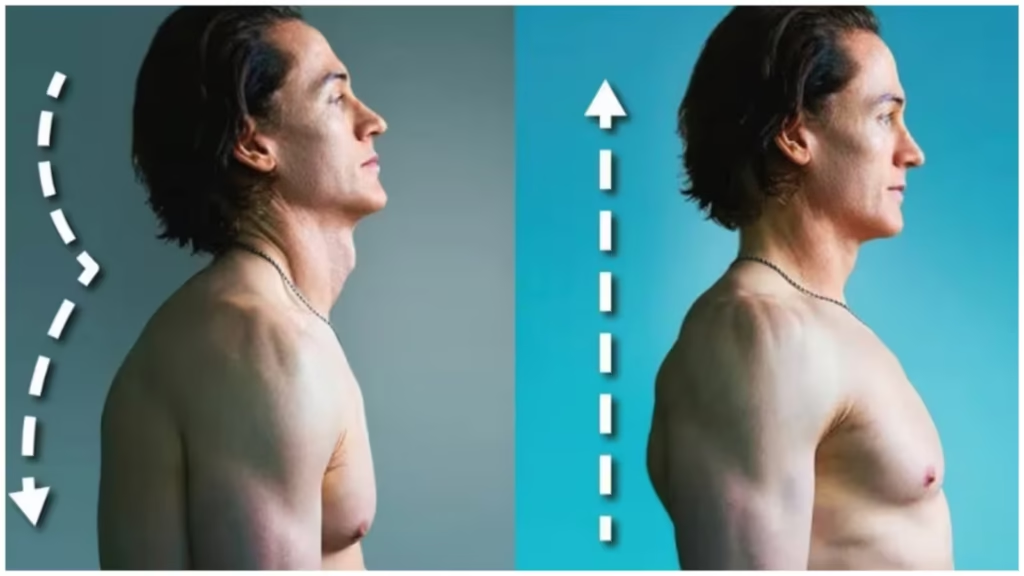
In January 2025, Netflix released “Don’t Die: The Man Who Wants to Live Forever,” a documentary providing intimate access to Bryan Johnson’s life, routines, and obsessions. The film offered viewers unprecedented glimpses into the daily realities of Project Blueprint, from his predawn exercise sessions to his meticulously weighed meals to his extensive medical testing.
The documentary didn’t shy from controversy. It examined the plasma exchanges with his son, explored the breakdown of his relationship with Taryn Southern, and featured interviews with both supporters and critics of his methods. Medical experts provided context, some praising his systematic approach while others questioned his claims and methods.
Public reception was mixed but engaged. The documentary trended on Netflix for weeks, generating countless think pieces, social media debates, and discussions about longevity, wealth, privilege, and obsession. Some viewers found Johnson inspiring—a man using his resources to advance human knowledge. Others found him unsettling—a billionaire so afraid of death he’d sacrifice normal life experiences in pursuit of immortality.
Key revelations included the extent of his social isolation (his demanding schedule leaves little room for spontaneous interaction), the tension between his optimization goals and normal human experiences, and candid discussions about fear of death driving his mission.
The documentary significantly amplified Johnson’s public profile, making him recognizable beyond tech and longevity circles. It also crystallized debates about whether his approach represents human potential maximized or wealth distorting priorities.
The film’s impact extended to his business ventures. Blueprint products saw sales increases, his YouTube channel gained subscribers, and speaking requests multiplied. Whether intentional or not, “Don’t Die” served as powerful marketing for Johnson’s commercial ventures while documenting his personal mission.
Controversies and Criticisms
Scientific Community Skepticism
The scientific and medical communities have expressed significant skepticism toward Bryan Johnson’s claims about biological age reversal. While many researchers applaud his transparency and systematic approach, they question whether his results support his ambitious assertions.
Dr. Morgan Levine, a leading researcher in biological aging, has specifically critiqued epigenetic age claims. She points out that epigenetic clocks, while useful research tools, have significant limitations. They measure DNA methylation patterns correlated with age but don’t necessarily capture all aging processes. Interventions that improve health markers can shift epigenetic age readings without fundamentally reversing cellular aging.
Other gerontologists note that exceptional biomarkers at 48 might simply reflect excellent health rather than age reversal. An optimally healthy 48-year-old will naturally have metrics matching younger people who are less healthy. This doesn’t mean they’ve reversed aging—they’ve just maximized health for their age.
The limitations of epigenetic clock measurements include susceptibility to lifestyle interventions, variability between different clock methodologies, and uncertainty about whether changes reflect fundamental biological age or merely health improvements. Johnson’s results might demonstrate that aggressive health optimization can significantly improve measured biological age without necessarily extending lifespan or preventing age-related decline.
Scientists also question the generalizability of n-of-1 experiments. What works for Johnson—a wealthy individual with extreme discipline and resources—may not translate to broader populations. The lack of control groups, randomization, and long-term outcome data means his experiments, while interesting, don’t constitute rigorous scientific evidence.
Personal Controversies
Beyond scientific skepticism, Bryan Johnson has faced personal controversies that complicate his public image. The lawsuit from Taryn Southern painted an unflattering picture of his behavior during her cancer treatment. Southern alleged that Johnson, who had reportedly promised support, became distant and emotionally withdrawn when she needed him most.
The relationship allegations suggested someone who controls information and relationships carefully. Southern claimed Johnson required people in his inner circle to sign NDAs, suggesting he manages his public image strategically and limits what others can reveal about his private behavior.
These controversies raise questions about the disconnect between Johnson’s carefully curated public persona—the rational, data-driven optimizer—and his personal relationships, which appear more complex and problematic. A man who claims to have conquered aging’s physical challenges apparently hasn’t mastered emotional intimacy and relationship sustainability.
The lawsuit was eventually settled privately, with terms undisclosed, but the damage to Johnson’s reputation lingered. Critics pointed to this as evidence that extreme self-optimization might come at the cost of normal human connection and emotional growth.
Ethical Concerns
The most serious ethical concerns center on the plasma exchange experiments involving his minor son Talmage. Medical ethicists questioned whether meaningful informed consent was possible given the power dynamics—a wealthy, famous father proposing experimental procedures to his teenage son creates inherent pressure regardless of stated voluntariness.
The FDA warnings about young blood transfusions for anti-aging purposes highlighted that these procedures lack proven benefits and carry risks. Performing them on a minor, even with parental permission, struck many as inappropriate self-experimentation that unfairly involved someone too young to fully appreciate long-term implications.
Beyond the family experiments, broader ethical concerns exist about accessibility and privilege. Johnson’s approach requires millions of dollars and full-time dedication to health optimization. Promoting this as a viable longevity strategy while it remains accessible only to the ultra-wealthy raises justice questions. Does glorifying such expensive interventions distract from public health measures that could help millions?
Critics also question whether Johnson’s extreme focus on defeating death represents healthy goal-setting or pathological death anxiety. The obsessive measurement, rigid scheduling, and sacrifice of spontaneous experiences raise questions about quality of life versus quantity. Is living to 150 while measuring every biomarker and scheduling every hour truly superior to living to 80 with more freedom, spontaneity, and human connection?
Bryan Johnson’s Current Life in 2026
As of 2026, Bryan Johnson continues pursuing his anti-aging mission with undiminished intensity. His current projects extend beyond personal optimization to commercialization and advocacy. The Blueprint business has expanded, offering more products and programs for followers seeking similar approaches, even if at less extreme levels than Johnson’s personal protocols.
His public appearances and media engagements have increased following the Netflix documentary. He’s a sought-after speaker at longevity conferences, technology summits, and business events, commanding substantial fees for appearances. These engagements serve dual purposes: spreading his message about aggressive aging intervention and promoting Blueprint commercial products.
Johnson’s social media presence continues growing. His YouTube channel has amassed a substantial subscriber base, with videos detailing his protocols, sharing biomarker results, and discussing longevity science. Instagram posts showcase his daily routines, meal preparations, and physical condition. Twitter threads discuss research findings and philosophical reflections on mortality.
His stated future goals remain audacious. Johnson has publicly claimed he intends to achieve biological immortality by 2039—a statement that critics dismiss as absurd while supporters view as inspirational ambition. Whether this represents genuine belief, marketing hyperbole, or motivational goal-setting remains unclear.
Recent developments include exploration of additional experimental interventions, continued refinement of existing protocols based on biomarker feedback, and expansion of Blueprint into international markets. He’s also funding research grants for longevity science, attempting to contribute to the field beyond his personal experimentation.
Johnson maintains his Los Angeles base, where his home has been transformed into a sophisticated health laboratory. His daily routines continue with military precision, showing no signs of the fatigue or burnout that might affect someone maintaining such rigid discipline for years.
Frequently Asked Questions
How old is Bryan Johnson?
Bryan Johnson was born on August 22, 1977, making him 48 years old in 2026.
What is Bryan Johnson’s net worth?
His net worth is estimated at approximately $400 million as of 2026.
How tall is Bryan Johnson?
He stands 6 feet tall (183 cm).
Is Bryan Johnson married?
He is currently in a relationship with Kate Tolo. He was previously divorced and later engaged to Taryn Southern.
How many children does Bryan Johnson have?
He has three children: Jefferson, Talmage, and Genevieve from his first marriage.
What is Project Blueprint?
Project Blueprint is his comprehensive anti-aging protocol launched in 2021, involving a strict diet, exercise, supplements, and intensive medical monitoring.
How much does Bryan Johnson spend on anti-aging?
He reportedly spends over $2 million per year on anti-aging treatments and protocols.
What is Bryan Johnson’s biological age?
He claims various organs function at ages between 18–37, although scientists debate the validity of these measurements.
How did Bryan Johnson make his money?
He made his fortune by selling Braintree to PayPal for $800 million in 2013, personally netting over $300 million.
What companies has Bryan Johnson founded?
He founded Braintree, Kernel, OS Fund, and also launched Project Blueprint.
Conclusion
Bryan Johnson represents a unique intersection of Silicon Valley wealth, scientific ambition, and human mortality anxiety. At 48 years old, standing 6 feet tall, with a $400 million net worth built primarily from selling Braintree to PayPal, he’s transformed from successful tech entrepreneur into perhaps the world’s most dedicated—and controversial—longevity experimenter. Whether his claims about reversing biological age prove scientifically valid or his methods inspire meaningful progress in aging research remains to be seen, but his impact on public consciousness about longevity is undeniable.