
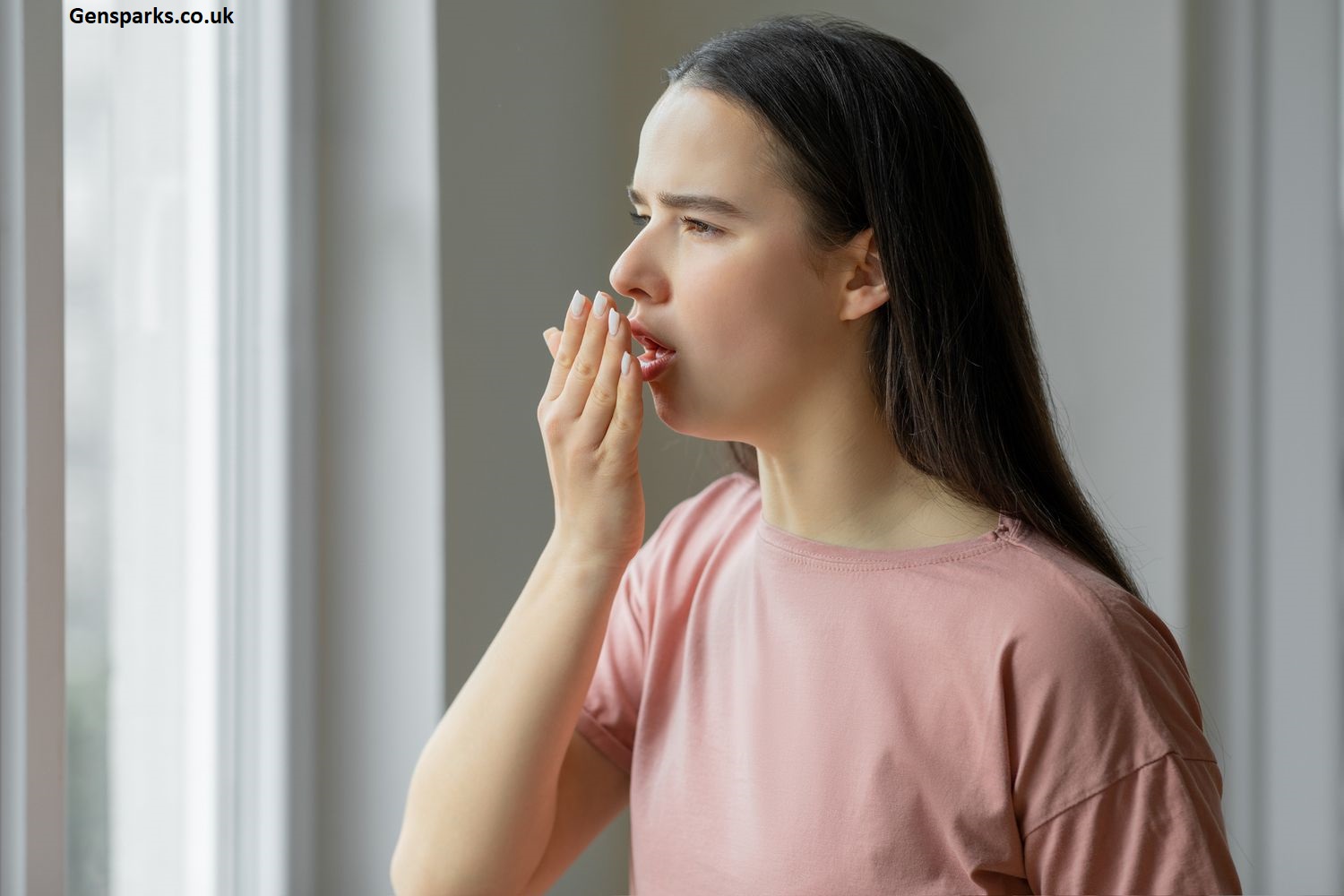

Why Do My Burps Taste Like Rotten Eggs? If your burps smell and taste like rotten eggs, the culprit is usually hydrogen sulfide gas building up in your digestive system.
This unpleasant phenomenon is often linked to the foods you eat — high-protein and sulfur-rich foods like eggs, meat, and broccoli are common triggers.
Beyond diet, conditions like acid reflux, irritable bowel syndrome, food intolerances, and bacterial infections such as H. pylori can also cause sulfur burps.
Slow digestion gives bacteria more time to break down food, producing that unmistakable rotten egg odor.
Table of Contents
Quick Table
| # | Cause | Description |
|---|---|---|
| 1 | Hydrogen Sulfide Gas | Gut bacteria produce this gas when breaking down sulfur-rich foods |
| 2 | High-Protein Diet | Meat, eggs, and dairy are heavy in sulfur and fuel rotten egg burps |
| 3 | Sulfur-Rich Vegetables | Broccoli, cauliflower, cabbage, and onions are common triggers |
| 4 | H. Pylori Infection | Bacterial infection in the stomach lining that disrupts digestion |
| 5 | Acid Reflux (GERD) | Stomach acid and gas traveling upward creates sulfur-like taste |
| 6 | IBS | Irritable bowel syndrome slows digestion, increasing gas production |
| 7 | Food Intolerances | Lactose or gluten intolerance can trigger excessive sulfur gas buildup |
| 8 | Slow Digestion | Food sitting too long in the gut allows bacteria to overproduce gas |
| 9 | Certain Medications | Some drugs disrupt gut bacteria balance, leading to sulfur burps |
| 10 | Dehydration | Low water intake slows digestion and can worsen gas and bloating |
Why Do My Burps Taste Like Rotten Eggs?
Let me paint you a picture. You’re sitting at your desk, totally normal afternoon, and you let out a burp. Except it doesn’t smell like lunch. It smells like something died inside you.
That rotten egg, sulfur, almost sewage-like stench hits you so hard you look around to see if anyone noticed.
That was me, about two years ago, for almost three weeks straight. And the worst part? I had no idea what was causing it. I’d eaten the same stuff I always ate.
I wasn’t sick — or at least I didn’t feel sick. But every time I burped, it was like my stomach was trying to warn me about something.
So I went down a rabbit hole. Talked to my doctor, read a ton of medical articles, changed my diet, took some medication.
And yeah — I finally figured out what was going on. Let me save you the 2am panic and break it all down.

First, What Is That Smell Actually Coming From?
The short answer: sulfur gas.
When you eat foods that contain sulfur compounds, or when certain bacteria in your gut break down food, one of the byproducts is hydrogen sulfide gas.
That’s the same gas responsible for the smell of rotten eggs. When it builds up in your digestive system and finds its way out through a burp — well, you know what happens.
It sounds disgusting. It is disgusting. But it’s also usually very fixable once you understand the cause.
The Most Common Reason: What You’re Eating
This was my problem. I’d started a high-protein diet a few months before and was eating a ton of eggs, red meat, and these whey protein shakes every morning. I didn’t connect the dots at first.
High-sulfur foods include:
- Eggs (especially when eaten in large quantities)
- Red meat (beef, lamb, pork)
- Dairy products — particularly aged cheeses
- Cruciferous vegetables — broccoli, cauliflower, Brussels sprouts, cabbage
- Alliums — garlic, onions, leeks
- Beer and wine
- Certain nuts — especially walnuts and almonds
When your body breaks down these foods, it produces hydrogen sulfide as a natural byproduct.
If you’re eating a lot of them — especially multiple high-sulfur foods at once — your gut produces more gas than it can quietly absorb. And it has to go somewhere.
I cut my egg intake from four eggs a day down to two, swapped the whey protein for a plant-based one, and within about five days the sulfur burps were dramatically better. Not gone, but way less intense.
The One I Didn’t Expect: A Bacterial Infection
Here’s where it gets more serious — and why you shouldn’t just assume it’s always dietary.
After adjusting my diet, I still had some sulfur burps, though less often. I finally saw my doctor, and after describing my symptoms (sulfur burps, occasional nausea, some bloating), she ordered a breath test.
Turns out I had H. pylori — Helicobacter pylori — a bacterial infection in my stomach lining. It’s more common than most people think. Roughly half the world’s population carries this bacteria, though not everyone experiences symptoms.
H. pylori messes with your stomach acid and digestive process in ways that lead to — you guessed it — excess sulfur gas production. Other signs it might be H. pylori and not just your diet:
- Burps that smell sulfuric even when you haven’t eaten high-sulfur foods
- Nausea, especially in the morning
- Burning or aching stomach pain between meals
- Feeling full very quickly when eating
- Unintentional weight loss (in more severe cases)
If these sound familiar, please see a doctor.
H. pylori is easily treated with a short course of antibiotics (they usually prescribe two different ones together, plus a proton pump inhibitor). Mine cleared up within two weeks of finishing the antibiotics.
GERD and Acid Reflux: Another Common Culprit
Gastroesophageal reflux disease — GERD — is another big cause of sulfur burps. When stomach acid and partially digested food back up into your esophagus, it brings gas along with it. That gas carries a sulfurous odor.
Signs that GERD might be behind your sulfur burps:
- Heartburn, especially after meals or when lying down
- A sour or bitter taste in your mouth (distinct from the egg smell)
- Chest discomfort or a feeling of food being stuck
- Chronic cough or sore throat with no clear cause
A lot of people manage mild GERD on their own with over-the-counter options like Pepcid (famotidine) or Tums, or by making lifestyle changes:
- Don’t lie down right after eating — give yourself at least 2–3 hours
- Eat smaller, more frequent meals instead of large ones
- Avoid trigger foods: spicy food, caffeine, alcohol, fatty meals, citrus
- Elevate the head of your bed slightly if nighttime symptoms are bad
If it’s more persistent or severe, your doctor might prescribe a PPI (proton pump inhibitor) like omeprazole.
Don’t just mask the symptoms long-term without figuring out the root cause though — that’s worth a conversation with your GP.
Small Intestinal Bacterial Overgrowth (SIBO)
This one is less commonly talked about but surprisingly common, especially in people who’ve taken antibiotics a lot or have underlying digestive issues.
SIBO happens when bacteria that normally live in your large intestine migrate into your small intestine and set up camp there.
These bacteria ferment food earlier in the digestive process than they should, producing a lot of excess gas — including hydrogen sulfide.
Symptoms of SIBO often include:
- Sulfur burps and smelly gas (both ends, unfortunately)
- Bloating that seems excessive after eating
- Alternating constipation and diarrhea
- Brain fog and fatigue (yes, gut issues can affect your energy levels)
Diagnosing SIBO usually involves a lactulose or glucose breath test, which measures hydrogen and methane gases in your breath.
Treatment typically involves specific antibiotics (rifaximin is commonly prescribed) and sometimes dietary changes like a low-FODMAP diet to starve out the excess bacteria.
Constipation: The Unglamorous Answer
Sometimes the answer is just… you’re backed up.
When food sits in your colon longer than it should, bacteria have more time to ferment it, producing more gas. That gas can work its way back up and come out as a particularly awful-smelling burp.
If you’re not going regularly, or if your stools have changed in consistency lately, that might be contributing. Increasing fiber gradually, drinking more water, and moving your body more can help.
Metamucil or Miralax are over-the-counter options worth trying if things have been sluggish.
Medications and Supplements That Can Cause This
Here’s something I didn’t realize at first: certain medications and supplements can also cause sulfurous burps.
- Metformin (a common diabetes medication) is a well-known offender
- Iron supplements — notorious for digestive side effects including sulfur smells
- Some antibiotics disrupt gut flora in ways that produce more sulfur gas temporarily
- High-dose zinc supplements
- NAC (N-acetyl cysteine) — a supplement containing sulfur
If you recently started a new medication or supplement and noticed the sulfur burps appear shortly after, that’s worth flagging with your doctor or pharmacist.
What I Tried That Didn’t Work (Learn From My Mistakes)
In my early panic phase, I tried a few things that really didn’t help much:
- Activated charcoal: I read it was supposed to absorb gas and odors. Didn’t notice any significant difference for me, and it can interfere with medication absorption if you take any.
- Chewing gum: I thought it would help with the taste. It doesn’t fix the underlying smell — it just confuses things. Also, chewing gum makes you swallow more air, which can actually make burping worse.
- Cutting out all vegetables: Please don’t do this. I cut out broccoli and cauliflower (the main suspects) but kept eating garlic-heavy food and wondered why nothing changed. You have to actually look at the full picture of what you’re eating.
- Ignoring it for too long: This was my biggest mistake. I assumed it would just go away on its own. Three weeks of miserable sulfur burps later, I finally saw a doctor and found out I had an actual bacterial infection that needed treatment.
When to Actually See a Doctor
Most of the time, sulfur burps resolve on their own with dietary changes. But you should see a doctor if:
- The sulfur burps have lasted more than a week or two with no improvement
- You have any stomach pain, nausea, or vomiting alongside the burps
- You’ve noticed blood in your stool or dark/tarry stools
- You’ve lost weight without trying
- You have a fever with digestive symptoms
- The burps are accompanied by diarrhea that won’t go away
These symptoms could point to H. pylori, SIBO, Crohn’s, or other conditions that need proper diagnosis and treatment. A breath test, stool test, or endoscopy can rule these things out quickly.

FAQ’s
Why do my burps taste like rotten eggs?
Rotten egg burps are caused by hydrogen sulfide gas produced when gut bacteria break down sulfur-rich foods in your digestive system. Diet, slow digestion, and underlying conditions like acid reflux or H. pylori infection are the most common culprits behind this unpleasant experience.
What foods cause sulfur burps?
Foods high in sulfur protein are the biggest triggers. These include eggs, red meat, dairy products, garlic, onions, broccoli, cauliflower, and cabbage. Reducing or temporarily eliminating these from your diet can help identify which specific food is causing the problem.
Are sulfur burps a sign of a serious condition?
Occasional sulfur burps are usually harmless and diet-related. However, frequent or persistent sulfur burps accompanied by nausea, diarrhea, stomach pain, or bloating could indicate an underlying condition like H. pylori, IBS, GERD, or a food intolerance worth investigating with a doctor.
How can I get rid of sulfur burps fast?
Drinking plenty of water, avoiding sulfur-rich foods, eating smaller meals, and taking probiotics can help reduce sulfur burps quickly. Over-the-counter antacids may also provide temporary relief if acid reflux is contributing to the problem.
When should I see a doctor about sulfur burps?
See a doctor if sulfur burps are frequent, getting worse, or accompanied by other digestive symptoms like vomiting, unexplained weight loss, persistent diarrhea, or severe stomach pain. These could point to an infection or digestive disorder requiring proper medical treatment.
Conclusion
Sulfur burps are one of those embarrassing body experiences nobody wants to talk about — but understanding why they happen is the first step toward actually fixing them.
As unpleasant as that rotten egg taste is, your body is simply telling you something about what’s happening inside your digestive system.
In most cases, the fix is simpler than you’d expect.
A closer look at your diet, better hydration, and mindful eating habits can dramatically reduce how often sulfur burps occur.
Cutting back on high-sulfur foods, slowing down at mealtimes, and supporting your gut with probiotics are all practical steps that can make a noticeable difference within days.
That said, when sulfur burps become a regular occurrence rather than an occasional nuisance, it’s important not to brush them off.
Conditions like H. pylori, GERD, IBS, and food intolerances don’t resolve on their own and can worsen without proper care. Early diagnosis makes treatment far more straightforward and effective.
Your digestive health affects everything — your energy, your mood, your comfort, and your confidence. Paying attention to the signals your body sends, even the embarrassing ones, is always worth it.