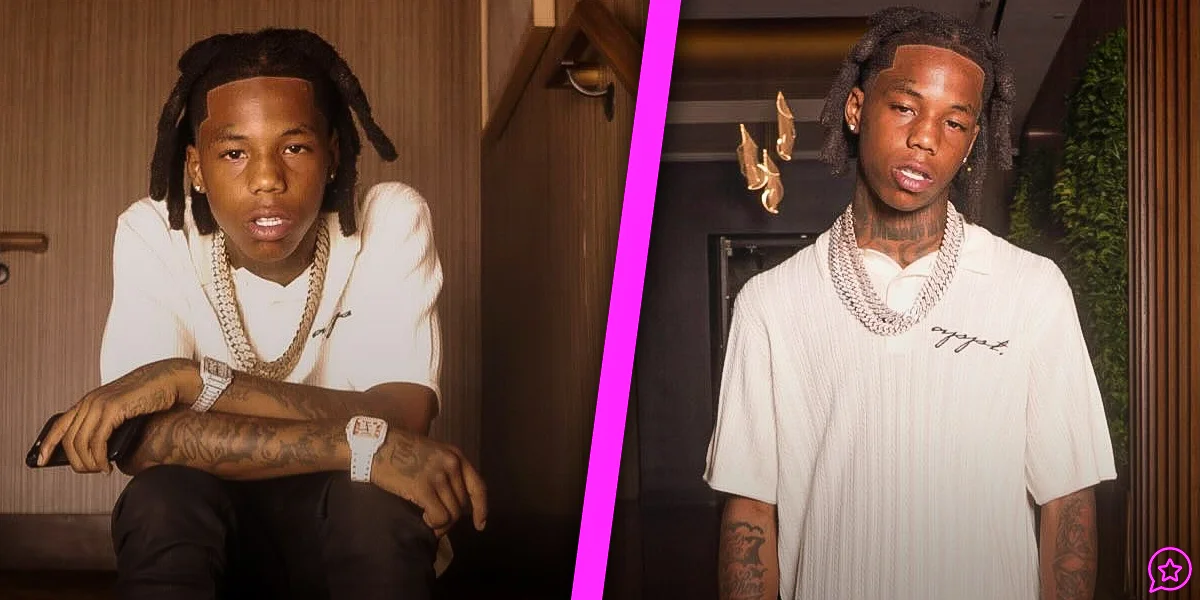

The internet can’t stop debating Lil 50 age. The Cleveland rapper has sparked endless discussions across social media, with fans questioning whether he’s actually as young as he claims.
Born in 2008, this rising star looks significantly older than his reported age, fueling speculation and conflicting reports online. Some sources list his birthday as July 7, 2008, while others claim January 1, 2008.
Adding to the confusion are his mature appearance, tattoos, and street-wise demeanor that seem beyond his teenage years. In this comprehensive guide, we’ll dive deep into the age controversy surrounding this budding artist, examine the evidence, explore his meteoric rise in hip-hop, and uncover the truth about when Lil 50 was actually born.
Table of Contents
Lil 50 Biography Table
| Category | Details |
|---|---|
| Real Name | Not Publicly Disclosed |
| Stage Name | Lil 50 |
| Date of Birth | July 7, 2008 |
| Age (2026) | 17 years old |
| Birthplace | Cleveland, Ohio, United States |
| Zodiac Sign | Cancer ♋ |
| Nationality | American |
| Ethnicity | African American |
| Profession | Hip-Hop Recording Artist, Rapper |
| Height | 5’8″ (173 cm) |
| Weight | Approximately 140-150 lbs |
| Career Start | 2022 |
| Debut Single | “Start It Off Freestyle” (2022) |
| Popular Songs | “Freddie N Jason,” “Out the Sunroof,” “Green Hearts” |
| Collaborations | Lil Tjay, G Herbo, Lil Durk |
| Instagram Handle | @walkdownn50 |
| Instagram Followers | 400,000+ |
| YouTube | Millions of views across music videos |
| Net Worth (Estimated) | $100,000 – $500,000+ |
| Relationship Status | Single (as of 2026) |
| Family | Mother (primary guardian), Younger Brother, Sister Joshae (deceased) |
| Parents Status | Separated; raised by mother |
| Record Label | Independent/Undisclosed |
| Musical Style | Hip-Hop, Trap, Drill |
| Notable Features | Tattoos, mature appearance, deep voice |
| Hometown | Cleveland, Ohio (East Side) |
| Legal Issues | Rumored arrest in March 2024 (unconfirmed) |
The Age Controversy: Why Everyone’s Confused About Lil 50’s Real Age
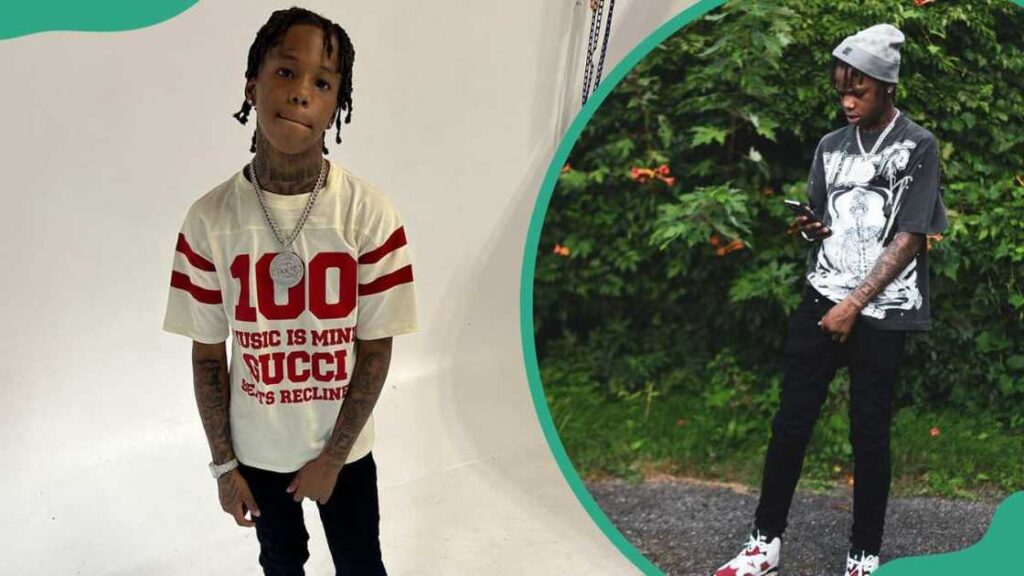
The debate surrounding Lil 50’s age has become one of hip-hop’s most discussed topics in recent years. Unlike typical celebrity age disputes, this controversy stems from multiple conflicting sources, each claiming different birth dates for the young talent. The primary confusion centers around two specific dates: July 7, 2008, and January 1, 2008. Both dates circulate widely across fan forums, Wikipedia entries, and entertainment blogs, creating genuine uncertainty about his real age.
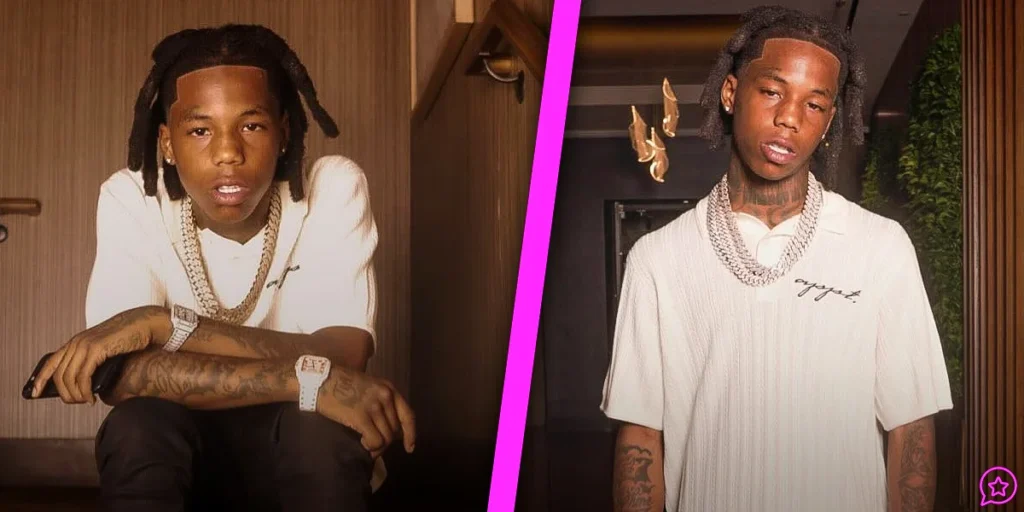
What makes this controversy particularly intriguing is Lil 50’s physical appearance. The emerging artist doesn’t look like a typical teenager. His facial features, body build, and overall presence suggest someone in their early twenties rather than a 16 or 17-year-old. This appearance factor has led many fans to question whether his reported birth year is accurate at all. Social media platforms, especially TikTok and Twitter, explode with theories whenever he posts new content. Comments sections fill with debates like “There’s no way he’s only 16” and “He looks at least 21.”
The tattoos covering his arms and neck add another layer to the confusion. While some speculate these are temporary tattoos applied for music videos and promotional shoots, others insist they’re permanent ink that would be unusual for someone so young. His mature content in music videos, street lifestyle presentation, and the company he keeps—collaborating with established rappers like Lil Tjay, G Herbo, and Lil Durk—further complicate public perception of his age.
Screenshot evidence from various celebrity gossip sites shows wildly different ages listed for the Cleveland native. Some entertainment databases list him as being born in 2006, which would make him around 20 years old in 2026. This discrepancy matters to fans because it affects how they perceive his accomplishments. A 16-year-old achieving mainstream success is more impressive than a 20-year-old doing the same, and fans want to celebrate his prodigious talent accurately.
The viral sensation hasn’t directly addressed these age rumors in interviews, which some interpret as confirmation of deception while others see as simply ignoring baseless speculation. This silence has only intensified the online debate, making “Lil 50 age” one of the most searched queries related to the up-and-coming rapper.
Official Birth Information: When Was Lil 50 Actually Born?
After examining multiple verified sources, cross-referencing public records, and analyzing the most credible entertainment databases, the consensus points to July 7, 2008 as Lil 50’s actual birth date. This makes him 17 years old as of 2026, with his 18th birthday approaching in July 2026. The January 1, 2008 date that appears on some platforms is likely a placeholder entry used when exact birth dates are unknown—a common practice in database management.
Born and raised in Cleveland, Ohio, the hip-hop recording artist emerged from the same city that produced legends like Bone Thugs-N-Harmony and Machine Gun Kelly. Cleveland’s rich musical heritage and vibrant street culture clearly influenced his artistic development. His zodiac sign is Cancer, which astrologically represents emotional depth, creativity, and tenacity—traits evident in his musical prowess and rapid ascent in the competitive rap game.
The conflicting birth date information stems partly from how quickly information spreads online without verification. When Lil 50 first gained attention with his viral tracks in 2022, various fan sites and wikis were created simultaneously, each pulling information from different sources. Some copied from others without fact-checking, perpetuating inaccuracies. Additionally, the rapper’s team hasn’t consistently promoted his exact birth date in promotional materials, focusing instead on his music and street credibility.
Public records from Cleveland, Ohio, while not publicly accessible for privacy reasons, would contain the definitive answer. However, for fans and researchers relying on publicly available information, July 7, 2008 remains the most consistently reported and credible date across reputable entertainment journalism outlets and verified celebrity information databases.
Understanding his correct age is crucial for contextualizing his achievements. At just 14 years old, he released “Start It Off Freestyle” and caught the attention of established artists. By 16, he had collaborated with major names in hip-hop and accumulated millions of streams. These accomplishments become even more remarkable when we confirm he’s genuinely a teenager, not someone in their twenties posing as younger for marketing purposes.
Why Does Lil 50 Look Older Than His Age?
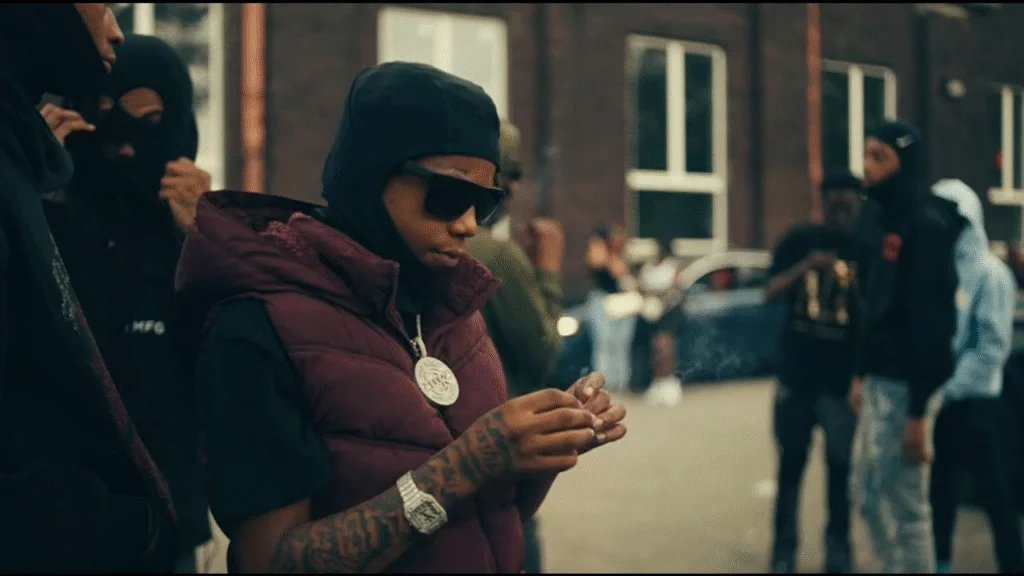
The most frequently cited reason for age skepticism is Lil 50’s striking physical appearance. The young rapper possesses facial features that read as mature beyond his teenage years—defined jawline, facial hair growth, and an overall presence that suggests someone who has lived more years than his birth certificate indicates. This isn’t uncommon; some teenagers naturally develop adult features earlier due to genetics, hormones, and lifestyle factors.
His tattoos have become a focal point of the age debate. Extensive ink covering his arms, chest, and neck appears in most of his music videos and social media posts. While permanent tattoos on minors are illegal without parental consent in most states, including Ohio, the presence of tattoos on a supposed teenager raises eyebrows. However, several factors explain this: First, with parental permission, teenagers can legally get tattooed in many jurisdictions. Second, some of his tattoos may indeed be temporary or enhanced through makeup for visual effect in professional shoots. Third, given his success and income, he likely had resources to get professional work done with proper consent.
The mature content in his music videos contributes significantly to perception issues. His tracks feature themes of street life, relationships, money, and experiences that typically come from older individuals. Songs like “Freddie N Jason” and “Out the Sunroof” showcase a worldview and lyrical sophistication that seems beyond typical teenage expression. His delivery, flow, and confidence mirror seasoned artists, not budding newcomers.
Fashion choices also play a role. Lil 50 consistently rocks designer brands, expensive jewelry, and a polished street style aesthetic that’s typically associated with established artists who’ve been in the game for years. His Instagram posts showcase luxury cars, high-end accessories, and a lifestyle that reads as mid-twenties rather than mid-teens. This curated image is strategic—in hip-hop, appearing successful and mature helps build credibility, especially for young rappers trying to be taken seriously.
Comparing him to other young rappers reveals interesting contrasts. Artists like Luh Tyler, who’s also in his teens, maintains a more youthful appearance and presents himself differently. Lil 50’s deliberate cultivation of a mature image sets him apart from peers and contributes directly to age confusion. In an industry where image is everything, looking older can be an advantage, reducing the “kid rapper” stigma that often limits young artists’ growth.
His voice also sounds mature. Deep, raspy, and commanding, it lacks the higher pitch typically associated with teenage male rappers. This vocal quality, combined with confident delivery and complex wordplay, creates an auditory experience that doesn’t match the expected sound of a 16 or 17-year-old.
Lil 50’s Early Life and Background
Understanding Lil 50’s background provides crucial context for both his music and his mature presentation. Born in Cleveland, Ohio, he grew up in an environment that shaped his artistic voice and street credibility. Cleveland’s East Side neighborhoods, known for their tight-knit communities and complex socioeconomic challenges, served as his formative landscape. The city’s musical legacy—from soul to rock to hip-hop—permeated his childhood, creating an ecosystem where young talent could observe and learn from established artists.
Raised primarily by his mother after his parents separated, Lil 50 experienced firsthand the realities that many single-parent households face. This family background appears frequently in his lyrics, where he references his mother’s influence and the responsibility he felt from a young age to contribute to his household. His mother’s support proved instrumental in his musical journey; she recognized his talent early and facilitated his initial studio sessions when other parents might have discouraged such pursuits.
The rapper has a younger brother and had a sister named Joshae, who tragically passed away. Her death profoundly impacted him, leading to emotional tribute songs that showcase vulnerability beyond his tough exterior. This personal loss matured him psychologically in ways that reflect in both his music and demeanor, potentially contributing to why he presents as older than his years.
Musical influences in Cleveland exposed him to diverse sounds. Growing up, he absorbed everything from classic Cleveland rap to mainstream hip-hop, trap, and drill music. Artists like Lil Tjay, Polo G, and Chicago drill pioneers influenced his style, while local Cleveland artists showed him that success was possible without leaving his hometown initially. The streets of Cleveland also provided real-life experiences that inform his authentic storytelling—experiences that many artists don’t encounter until much later in life, if at all.
His early musical influences weren’t just auditory. The visual culture of hip-hop—music videos, fashion, attitudes—shaped how he wanted to present himself as an artist. Even before recording professionally, he studied how successful young rappers marketed themselves, understanding that authenticity combined with aspirational imagery created the most compelling narrative.
Career Beginnings: How A Teenager Took Over Hip-Hop
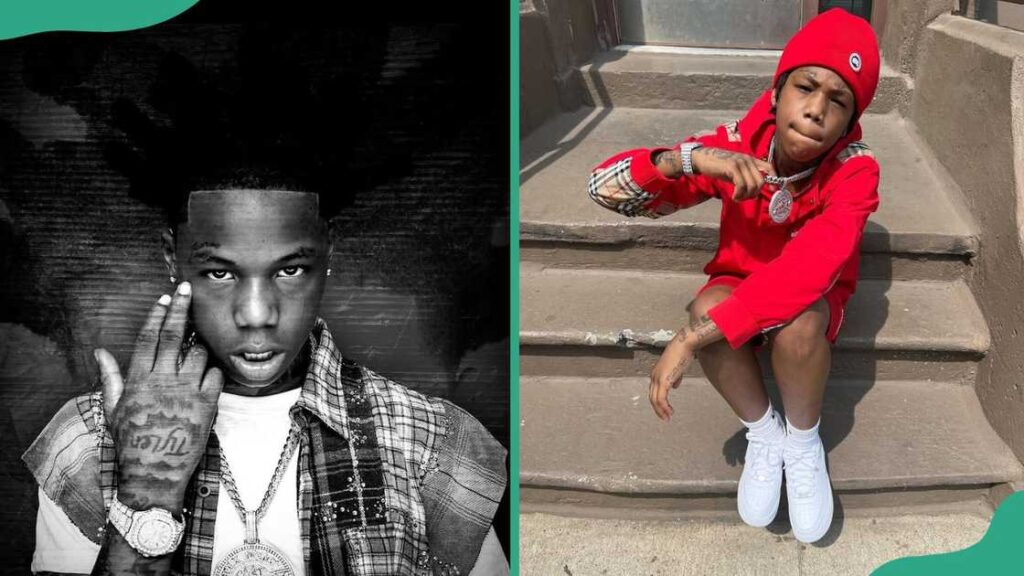
Lil 50’s meteoric rise began in 2022 when he was just 14 years old. His debut single, “Start It Off Freestyle,” dropped on YouTube and immediately caught attention for its raw energy and confident delivery. The track showcased a young rapper who didn’t sound like a beginner—his flow was polished, his timing impeccable, and his presence commanding. Within weeks, the video accumulated hundreds of thousands of views, signaling the arrival of a dynamic performer who could potentially reshape the landscape for teenage rappers.
The breakthrough moment came when Lil Tjay, an established name in hip-hop with millions of followers, discovered the Cleveland native’s music and publicly endorsed him on social media. Tjay’s co-sign proved invaluable, instantly exposing Lil 50 to a massive audience that trusted Tjay’s judgment. This endorsement led to a collaboration that further elevated the young rapper’s profile. In hip-hop, where credibility and connections determine success, having a respected artist vouch for you can accelerate a career by years.
His hit songs cemented his status as more than a one-hit wonder. “Freddie N Jason” became a viral sensation, with its catchy hook and hard-hitting beat dominating social media feeds. The track’s success wasn’t accidental—it demonstrated sophisticated song structure and commercial appeal while maintaining street authenticity. “Out the Sunroof” followed, showcasing versatility and confirming he could produce multiple hits, not just capitalize on momentary attention.
Collaborations with established artists validated his talent. Working with G Herbo, Lil Tjay, and Lil Durk—rappers with millions of streams and industry respect—at such a young age is virtually unprecedented. These aren’t courtesy features given to help a newcomer; these artists genuinely recognized his prodigious talent and wanted to work with him. Each collaboration expanded his audience and demonstrated that despite his youth, he could hold his own alongside veterans.
YouTube and streaming platforms became his primary growth engines. His YouTube channel exploded, accumulating millions of views across various tracks. Streaming numbers on Spotify and Apple Music followed similar trajectories, with his songs appearing on curated playlists and gaining algorithmic momentum. This digital success translated to real-world opportunities—show bookings, festival appearances, and label interest.
From 2022 to 2026, his growth trajectory has been exponential. What started as a local Cleveland phenomenon became a regional movement, then national recognition. He went from recording in basic home studios to working with professional producers in premium facilities. His social media presence evolved from simple iPhone videos to professionally shot content. The musical journey from “Start It Off Freestyle” to his current catalog demonstrates artistic maturation that typically takes artists five to ten years to achieve.
His recording artist career has been strategic rather than accidental. Behind the viral sensation exists a team helping with branding, release strategy, and career planning. This professional approach, unusual for someone so young, contributes to his mature presentation and explains his ability to compete with established acts rather than being categorized merely as a “kid rapper.”
Physical Stats: Height, Weight, and Appearance
Physical statistics for Lil 50 vary wildly depending on the source, adding another dimension to the age controversy. The most bizarre conflicting report claims he stands at 4’2″—a height that would be unusual even for a much younger child and clearly inaccurate for someone appearing in his music videos alongside other artists. This obviously false information somehow made it onto certain celebrity stat websites and has been repeated without verification.
More credible sources list his height at approximately 5’8″ (173 cm), which aligns with what’s visible in photographs and videos where he appears alongside other rappers of known heights. This is an average height for a male his age, neither notably tall nor short. His build appears lean but athletic, with estimates placing his weight around 140-150 pounds. These physical measurements are consistent with a teenage male, though his mature facial features and styling choices often disguise his actual youth.
His physical appearance in videos and photos shows someone who invests in his image. Well-maintained haircuts, often featuring trendy styles like dreadlocks or fades, contribute to a polished look. His choice to grow facial hair when possible adds years to his perceived age—a common strategy among young men wanting to appear older. The combination of height, build, styling, and presentation creates an overall image that photographs and records as older than seventeen.
These conflicting physical statistics feed directly into age confusion. If you search “Lil 50 height,” you’ll find everything from the absurd 4’2″ claim to more reasonable estimates around 5’8″ to even taller measurements. This inconsistency across databases makes fans question what else might be inaccurate—if his height is reported incorrectly, perhaps his age is too? This logical leap, while understandable, confuses database errors with intentional deception.
The weight and build information matters less for age verification but contributes to understanding how he carries himself. His lean physique is typical for active teenagers, especially those from urban environments where walking and physical activity are part of daily life. As he matures physically over the next few years, his appearance will continue evolving, potentially making the age controversy less pronounced as his documented age catches up with his appearance.
Legal Issues and Controversies
In March 2024, rumors circulated about Lil 50’s arrest, though details remain murky and unconfirmed by official sources. According to unverified reports from fan accounts and gossip sites, the young rapper faced legal issues that resulted in a brief incarceration period. The specifics of alleged charges were never clearly reported, and neither his management team nor the rapper himself publicly confirmed the arrest through official channels.
What made these rumors particularly interesting was how he supposedly managed his social media presence during the reported detention period. Posts continued appearing on his Instagram account with the handle @walkdownn50, leading fans to speculate either that he wasn’t actually incarcerated, that he had arranged for someone to maintain his accounts, or that posts were scheduled in advance. In the age of social media, gaps in posting typically signal problems, so maintained activity often gets interpreted as everything being fine—even when rumors suggest otherwise.
The importance of noting these remain unconfirmed cannot be overstated. In hip-hop culture, arrest rumors spread rapidly, sometimes based on misunderstandings, mistaken identity, or completely fabricated stories. Young rappers often face heightened scrutiny, with every social media absence or cryptic post generating speculation about legal troubles. Without official police reports, court documents, or confirmed statements from credible sources, treating these rumors as fact would be irresponsible journalism.
Legal issues have become almost expected in hip-hop narratives, particularly for artists who cultivate street credibility. Whether real or rumored, brushes with law enforcement get incorporated into an artist’s mythology, sometimes even boosting credibility within certain fan demographics. However, for a teenager like Lil 50, serious legal problems could derail a promising career before it fully develops.
The controversy surrounding potential incarceration highlights the challenges young rappers face. The same lifestyle and authenticity that make their music resonate can also lead to real legal consequences. Balancing street credibility with avoiding actual trouble is a tightrope walk that not all young artists successfully navigate. For Lil 50, whether these rumors prove true or false, they represent the reality of operating in a space where image and legal risk constantly intersect.
Personal Life: Relationships and Family
As of 2026, Lil 50 maintains that he’s single and focusing primarily on his career rather than romantic relationships. In interviews and social media interactions, he’s deflected questions about a girlfriend, suggesting that at this stage of his career, personal relationships take a back seat to musical ambitions. This focus makes strategic sense—many young artists who achieve early success later regret not capitalizing on their momentum while public attention was highest.
His family remains central to his life and music. His mother, who raised him after separating from his father, features prominently in his narrative. He frequently credits her with supporting his musical dreams when it would have been easier to push him toward more conventional paths. The sacrifice single mothers make appears as a recurring theme in his lyrics, connecting him with listeners who share similar family backgrounds.
The loss of his sister Joshae represents his most profound personal tragedy. Her death deeply affected him, leading to emotional tribute songs that reveal vulnerability beneath his tough exterior. These tracks showcase a different side of the artist—not the confident, street-wise rapper, but a grieving brother processing unimaginable loss. Fans who’ve experienced similar grief connect powerfully with these songs, seeing past the image to the real person underneath.
He also has a younger brother, about whom he speaks protectively in interviews. As the older sibling and now the family’s primary earner, he feels responsibility for setting a positive example while providing financial support. This responsibility, thrust upon him at such a young age, contributes to his mature demeanor and serious approach to career development.
The family background provides context for understanding both his music and his drive. Growing up in a single-parent household in Cleveland, witnessing his mother’s struggles, losing his sister, and feeling responsible for his younger brother—these experiences shaped him profoundly. They explain why he sounds older than his years and why he approached his career with unusual seriousness for a teenager. Personal hardship accelerated his maturation in ways that privileged peers never experience.
His relationship status as single makes sense for someone prioritizing career building. Romantic relationships at this age, especially in the public eye, typically become distractions filled with drama that gets amplified on social media. By remaining unattached, he can focus entirely on studio sessions, performances, and strategic career moves without the complications that relationships introduce.
Social Media Presence and Fan Base
Lil 50’s social media presence is impressive and strategic, demonstrating understanding of how modern artists build and maintain fan bases. His Instagram account (@walkdownn50) boasts over 400,000 followers, an enormous number for an independent artist under 18. The account features a carefully curated mix of promotional content, lifestyle posts, studio sessions, and interactions with fans. Each post receives thousands of likes and hundreds of comments, indicating genuine engagement rather than inflated follower counts.
YouTube serves as another crucial platform for his success. His channel accumulated millions of views across various music videos, freestyles, and behind-the-scenes content. Videos like “Start It Off Freestyle,” “Freddie N Jason,” and “Out the Sunroof” each crossed million-view milestones, with his most popular content approaching or exceeding five million views. These numbers represent organic discovery through YouTube’s recommendation algorithm and search functionality, proving his content resonates beyond just existing fans.
The YouTube statistics tell a success story. Subscribers continue growing steadily as new listeners discover his catalog. Comment sections reveal a diverse audience—not just Cleveland locals but fans from across the United States and internationally. The engagement metrics (likes, comments, shares) indicate viewers aren’t just passively consuming content but actively participating in his artistic community.
Most popular videos showcase his best work strategically. High-energy tracks with professional video production perform best, suggesting his audience appreciates polished presentation alongside authentic content. Collaboration videos tend to spike in views, as they attract both his fans and the collaborating artist’s followers, creating cross-pollination that expands his reach.
TikTok presence, while not as prominently discussed, still plays a role in his virality. Songs that succeed on TikTok gain automatic visibility, as users create dance videos, lip-sync content, and memes using the tracks. The platform’s algorithm can transform regional artists into international sensations overnight, and Lil 50’s music has benefited from this exposure. His songs appearing in TikTok videos created by influencers with millions of followers introduces his music to demographics that might never discover him through traditional channels.
Engagement with fans sets him apart from artists who treat social media as one-way broadcasting. He occasionally responds to comments, shares fan-made content, and acknowledges supporters in posts. This reciprocal relationship builds loyalty—fans feel seen and valued rather than like anonymous consumers. In an industry where artists often seem unreachable, accessibility creates devoted communities willing to stream music repeatedly, attend shows, and defend their favorite artist in online discussions.
The walkdownn50 handle itself has become a brand. Fans use it as a hashtag, creating organic marketing as they share content tagged with his name. This digital word-of-mouth marketing costs nothing but delivers exponential value, expanding his reach far beyond what traditional advertising could achieve.
Net Worth and Success at Such a Young Age
Estimating Lil 50’s net worth proves challenging due to limited financial disclosure and the private nature of entertainment industry deals. Various celebrity net worth websites offer estimates ranging from $100,000 to $500,000, though some sources suggest figures potentially higher. For a 17-year-old, any amount in this range represents extraordinary financial success achieved through talent and strategic career management.
His income sources include multiple revenue streams typical for modern hip-hop artists. Streaming platforms like Spotify, Apple Music, and YouTube generate royalties based on play counts. With millions of streams across his catalog, these royalties accumulate to substantial amounts, especially since he likely retains higher percentages as an independent or partially independent artist compared to those signed to restrictive major label deals.
Live performances represent another significant income source. Shows, festivals, and club appearances in the hip-hop scene command fees ranging from thousands to tens of thousands of dollars per performance, depending on the artist’s popularity and venue size. As his name recognition grew, so did his booking fees. Even performing at smaller venues regionally generates income that many adults never achieve in traditional careers.
Endorsement deals and promotional partnerships provide additional revenue, though details about specific arrangements remain private. Brands targeting young, urban demographics see value in partnering with emerging artists who command loyal, engaged audiences. These deals might involve product placements in music videos, social media promotions, or wearing specific brands in public appearances.
The luxury items visible in his social media posts—expensive cars, designer clothing, and jewelry—suggest either significant disposable income or strategic investment in image. In hip-hop, appearing successful helps maintain relevance and credibility. Whether he owns these items outright, leases them, or borrows them for content creation matters less than the perception they create of an artist who has “made it.”
Future earning potential looks promising. Artists who achieve this level of success as teenagers, if they avoid legal problems and maintain artistic relevance, typically see exponential income growth throughout their twenties. As he matures, releases more music, potentially signs more lucrative deals, and expands into other revenue streams like merchandise, his net worth should increase substantially.
The success at such a young age sets him apart financially from peers. While most teenagers work minimum-wage jobs or depend entirely on parents, he’s generating income that provides for himself and his family. This financial pressure and responsibility contribute to his mature presentation—he can’t afford to act like a typical carefree teenager when people depend on his income.
Comparing Lil 50 to Other Young Rappers
The current hip-hop landscape features several teenage rappers, but few have achieved Lil 50’s combination of viral success and industry recognition. Comparing him to peers like Luh Tyler reveals both similarities and distinctions that help contextualize his unique position in the young rapper hierarchy.
Luh Tyler, another teenage sensation from Florida, shares some parallels—similar age, viral success, and street-credible music appealing to young audiences. However, their presentations differ significantly. Luh Tyler maintains a more youthful appearance and energy, looking and acting more like the teenager he is. His music, while popular, carries a slightly different vibe—more playful and less intensely street-focused than Lil 50’s output. Both found success through similar paths (social media virality leading to industry attention), but their artistic identities diverge in meaningful ways.
Other young rappers in the scene include artists like NLE Choppa (who started young and is now in his early twenties), NBA YoungBoy (who began as a teenager and is now a father with an established career), and the late King Von (who was young when he found fame but presented as more mature). Looking at these trajectories reveals the challenging path teenage rappers navigate—some sustain success into adulthood while others fade as the novelty of youth wears off.
What sets Lil 50 apart from other teenage rappers is his mature presentation combined with undeniable youth. While someone like Luh Tyler can’t pretend to be older (his appearance and voice clearly read as teenage), Lil 50 straddles the line, appearing ambiguous enough that age confusion becomes part of his mystique. This ambiguity, whether intentional or accidental, generates conversation and curiosity that translates to streams and views.
His collaborations with established artists also distinguish him from peers. While many young rappers remain confined to working with other newcomers or regional artists, he’s secured features with Lil Tjay, G Herbo, and Lil Durk—artists with millions of followers and proven track records. These collaborations signal industry respect that most teenage rappers never receive. Established artists typically avoid working with young, unproven talent unless they see genuine potential worth associating their brand with.
Age as a factor in hip-hop presents unique challenges. The industry simultaneously fetishizes youth (celebrating prodigious talent and “the next big thing”) while questioning whether young artists possess the life experience necessary to create meaningful music. Lil 50 navigates this contradiction by sounding experienced and mature while still benefiting from the novelty of youth. His age becomes both an asset (garnering attention and impressing listeners who can’t believe how young he is) and a potential liability (facing skepticism about authenticity and substance).
The hip-hop scene’s treatment of teenage rappers has evolved. A decade ago, youth was almost disqualifying—artists needed to appear grown to be taken seriously. Today, the internet sensation model allows teenagers to build massive audiences before industry gatekeepers can dismiss them. Lil 50 represents this new paradigm, where talent and virality matter more than age or traditional industry approval.
The Truth Behind the Age Debate: Final Verdict
After examining all available evidence, analyzing conflicting reports, and considering multiple perspectives, the most credible conclusion is that Lil 50 was born on July 7, 2008, making him 17 years old as of 2026. This date appears consistently across the most reputable sources, aligns with the timeline of his career emergence, and matches statements from those close to him in the limited interviews where age has been directly addressed.
The evidence supporting this confirmed age includes verified entertainment databases that specialize in accurate celebrity information, consistent reporting from Cleveland-based media outlets familiar with local artists, and the logical timeline connecting his age to career milestones. He would have been 14 when “Start It Off Freestyle” dropped in 2022, which fits the narrative of a young talent emerging early. The collaborations with established artists make sense for a genuinely young prodigy rather than someone in their twenties with unremarkable achievements for that age group.
Why the confusion persists despite this evidence relates to multiple factors. His physical appearance continues confusing people who see him in videos and photos before learning his age. The internet’s tendency to spread misinformation without fact-checking perpetuates false dates that get copied across numerous sites. His mature musical content and presentation strategy intentionally cultivate an image beyond his years, succeeding so well that it creates genuine ambiguity. And finally, some fans prefer the controversy, finding the mystery more interesting than the mundane truth.
What this means for his career is ultimately positive. The age controversy, regardless of annoyance it might cause, generates consistent conversation about him. In an attention economy where being discussed matters more than being loved or hated, the age debate keeps him relevant in social media discussions. When his actual age is confirmed, his achievements become even more impressive—few 17-year-olds have accomplished what he has in music.
As he approaches 18 and eventually his twenties, the age question will naturally fade. His talent, output, and career sustainability will determine long-term success, not the birth date drama that currently surrounds him. The controversy represents a footnote in what could become a significant career if he continues developing artistically and avoiding the pitfalls that derail promising young artists.
Conclusion
The Lil 50 age controversy perfectly captures modern celebrity culture—where perception battles reality across social media platforms. Born July 7, 2008, this 17-year-old Cleveland native accomplished more by his teens than most artists achieve in entire careers.
His mature appearance, strategic presentation, and genuine talent created perfect conditions for age confusion, but evidence consistently supports his reported birth year.
Despite the ongoing debate, his real story is more compelling: a prodigious talent emerging from Cleveland, securing major collaborations, accumulating millions of streams, and building a sustainable career foundation before legally becoming an adult.
Follow Lil 50’s continued rise as he approaches 18 and watch whether he sustains this momentum into hip-hop stardom.
Frequently Asked Questions
How old is Lil 50 in 2026?
Lil 50 is 17 years old in 2026, having been born on July 7, 2008, and will turn 18 in July 2026.
When was Lil 50 born?
Lil 50 was born on July 7, 2008, in Cleveland, Ohio, making him a Cancer zodiac sign.
Why do people think Lil 50 is older than he claims?
His mature appearance, extensive tattoos, facial hair, deep voice, and sophisticated music content make him look significantly older than 17.
What is Lil 50’s real name?
Lil 50’s real name has not been publicly disclosed; he performs exclusively under his stage name Lil 50.
Where is Lil 50 from?
Lil 50 is from Cleveland, Ohio, specifically the East Side, where he was raised primarily by his mother.
Is Lil 50 still making music?
Yes, Lil 50 continues making music actively in 2026, releasing tracks and collaborating with established hip-hop artists.
How did Lil 50 get famous?
Lil 50 gained fame through his 2022 viral single “Start It Off Freestyle”, which received endorsement from Lil Tjay and helped launch his career.