

Arlene Litman remains a name that resonates deeply within the story of Hollywood’s most enigmatic families. As Lisa Bonet’s mother, Arlene Joyce Litman shaped the life of one of television’s most iconic actresses while navigating her own remarkable journey through mid-20th century America.
Born on February 11, 1940, in Pittsburgh, Pennsylvania, this Ashkenazi Jewish music teacher would become a symbol of resilience, cultural diversity, and quiet strength.
Her life story—from her early days in Pennsylvania to her years as a single mother in Los Angeles, California—offers a compelling narrative about motherhood, cultural identity, and the enduring legacy one woman can leave behind.
Table of Contents
Arlene Litman: Quick Biography
| Detail | Information |
|---|---|
| Full Name | Arlene Joyce Litman |
| Date of Birth | February 11, 1940 |
| Place of Birth | Pittsburgh, Pennsylvania |
| Date of Death | March 3, 1998 |
| Age at Death | 58 years old |
| Cause of Death | Breast cancer |
| Ethnicity | Ashkenazi Jewish, Jewish-American |
| Profession | Music teacher, Schoolteacher, Music instructor, Educator |
| Father | Eli Litman |
| Mother | Sylvia Litman (Sylvia Ellen Goldvarg) |
| Sibling | Barry Litman (brother) |
| Spouse | Allen Bonet (divorced) |
| Children | Lisa Bonet (Lilakoi Moon) |
| Granddaughter | Zoë Kravitz |
| Son-in-law | Lenny Kravitz (former), Jason Momoa (former) |
| Residence | Reseda, California; San Fernando Valley |
Who Is Arlene Litman?
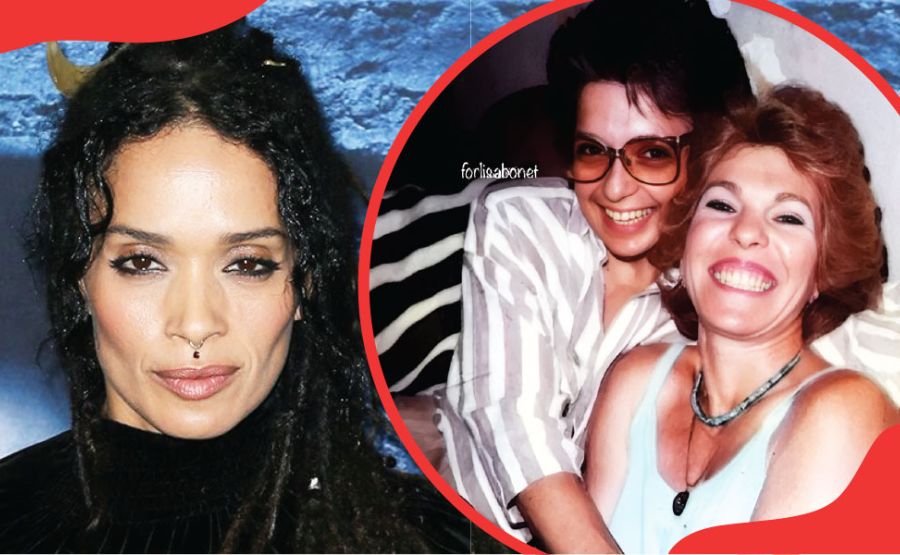
Arlene Litman was far more than simply Lisa Bonet mother—she was an educator, a pioneer of interracial marriage during the tumultuous Civil Rights Movement era, and a devoted single mother who raised one of television’s most groundbreaking actresses. Who is Arlene Litman becomes a question that extends beyond basic biographical details. Who was Arlene Litman reveals a woman whose Jewish heritage, educational values, and creative influence shaped not only her daughter’s career on The Cosby Show and A Different World but also the lives of her famous descendants, including granddaughter Zoë Kravitz.
As a music instructor in Los Angeles, Arlene Bonet (her married name) dedicated herself to education while simultaneously nurturing Lisa Bonet’s artistic sensibilities. The Arlene Litman biography encompasses a narrative of courage during the 1960s-1970s, when interracial relationships faced significant societal resistance. Her marriage to Allen Bonet, an African-American opera singer, represented a bold statement about love transcending racial boundaries during a period when such unions were far from commonplace.
The Arlene Litman life story demonstrates how one woman’s commitment to education, cultural diversity, and motherhood created ripples that would influence Hollywood for generations. Her quiet strength became the foundation upon which Lisa Bonet built her career, eventually leading to connections with Lenny Kravitz and the birth of Zoë Kravitz, who continues the family’s artistic legacy today.
Early Life and Birth in Pittsburgh, Pennsylvania
The early life of Arlene Joyce Litman began in the industrial heartland of Pittsburgh, Pennsylvania, where she was born on February 11, 1940, to Eli Litman and Sylvia Litman. Her mother, also known as Sylvia Ellen Goldvarg before marriage, raised Arlene alongside her brother Barry Litman in a traditional Ashkenazi Jewish household that valued education, music, and cultural heritage.
Growing up in Pittsburgh during the 1940s and 1950s, Arlene Litman experienced a childhood shaped by post-World War II American society. The Jewish-American community in Pittsburgh was tight-knit, emphasizing the importance of education and professional achievement. Eli Litman and Sylvia Goldvarg instilled these values deeply in their children, creating an environment where intellectual curiosity and artistic expression flourished.
The cultural identity that Arlene developed during these formative years in Pennsylvania would later influence how she raised Lisa Bonet. Her Jewish heritage wasn’t merely a religious affiliation—it represented a complete cultural framework that emphasized social justice, education, and resilience in the face of adversity. These principles would become instrumental when Arlene faced the challenges of interracial marriage and single motherhood in California.
Barry Litman, Arlene’s brother, shared this upbringing, and the siblings maintained their connection to their Pittsburgh roots even as Arlene eventually ventured westward. The foundation laid by Eli Litman and Sylvia Litman in that Pennsylvania household created the bedrock of strength that would sustain Arlene through the most challenging periods of her life.
Education and Career as a Music Teacher
Arlene Litman’s passion for music and education defined her professional identity. As a dedicated music teacher and schoolteacher, she found her calling in nurturing young minds through the transformative power of musical education. Her career as a music instructor wasn’t simply a job—it represented a mission to share the beauty of music with students who might otherwise never experience its enriching qualities.
The specific details of Arlene’s formal education remain somewhat private, but her expertise as an educator was evident to all who knew her. Whether teaching in San Francisco, California, before her marriage or later working as a music teacher in the Los Angeles area, Arlene brought a distinctive approach to her work that combined technical musical knowledge with genuine compassion for her students.
As an educator, Arlene Joyce Litman understood that music education extended beyond teaching notes and rhythms. She viewed music as a universal language capable of bridging cultural divides—an ironic foreshadowing of her own interracial marriage to Allen Bonet. Her teaching philosophy emphasized creativity, self-expression, and the development of confidence through musical achievement.
Colleagues and former students remembered Arlene Bonet as a patient, encouraging presence in the classroom. Her work as a music instructor in California schools allowed her to support herself and eventually Lisa Bonet as a single mother, demonstrating the practical importance of her educational credentials. The resilience she showed in maintaining her career while raising her daughter alone became part of the legacy she passed to Lisa.
Meeting Allen Bonet: An Interracial Love Story
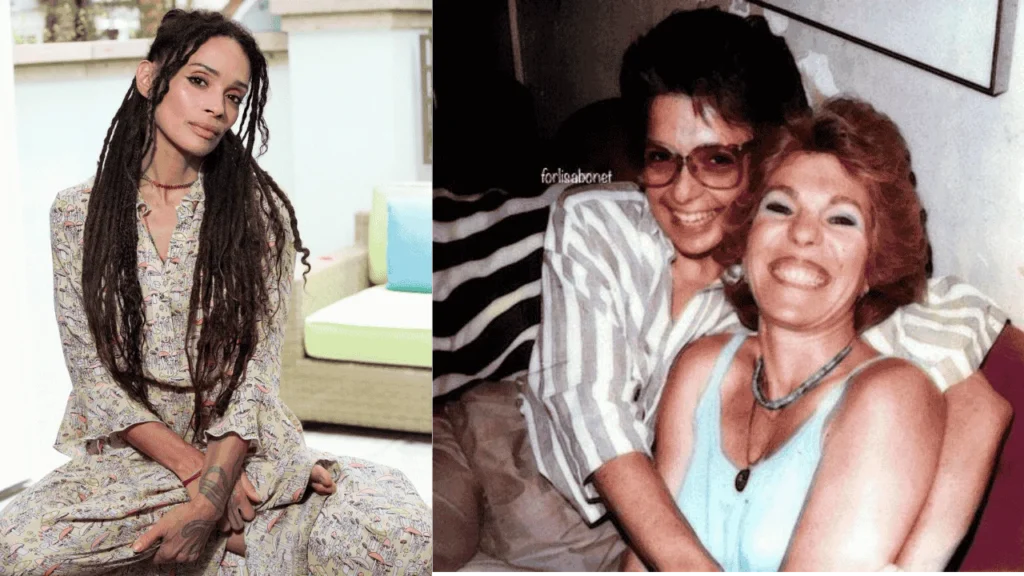
The meeting between Arlene Litman and Allen Bonet represented a significant moment in both their lives and in the broader context of American social history. Allen Bonet, an African-American opera singer with considerable talent, encountered Arlene during a period when interracial relationships faced not only social stigma but also legal barriers in many parts of the United States.
Their connection transcended the racial boundaries that divided 1960s America. Allen’s career as an opera singer brought sophistication and artistic passion to the relationship, complementing Arlene’s own musical background as a music teacher. The couple found common ground in their shared love of music, education, and progressive values that challenged the status quo of their era.
Meeting during the Civil Rights Movement era, Arlene and Allen’s relationship embodied the changes sweeping through American society. Their decision to pursue love despite societal disapproval required tremendous courage from both parties. For Arlene, a Jewish-American woman from Pittsburgh, choosing an African-American partner meant potential estrangement from more conservative members of her community. For Allen, the relationship brought its own set of challenges within both black and white communities.
The cultural diversity represented by their union would later become one of Lisa Bonet’s most distinctive qualities. Growing up with an Ashkenazi Jewish mother and an African-American father gave Lisa a unique perspective on identity, culture, and the arbitrary nature of racial divisions. The legacy of Arlene and Allen’s decision to love across racial lines extended far beyond their personal relationship—it created the foundation for a family that would challenge Hollywood’s conventions for decades to come.
Marriage and Family Life with Allen Bonet
The marriage between Arlene Litman and Allen Bonet officially united two people from vastly different cultural backgrounds during one of America’s most turbulent periods regarding race relations. As Arlene Bonet, she entered married life knowing that their interracial marriage would face scrutiny and potential hostility from segments of society still deeply resistant to integration.
Initially, the marriage brought joy and the fulfillment of starting a family together. On November 16, 1967, their daughter was born, and they named her Lisa Bonet. The arrival of their child represented hope and the promise of a future where racial divisions might become irrelevant. Both parents recognized that Lisa would navigate the world as a biracial child, inheriting both Arlene’s Jewish heritage and Allen’s African-American culture.
The family eventually settled in California, far from Arlene’s Pittsburgh roots. Living in areas like Reseda and the broader San Fernando Valley, the Bonet family attempted to create a stable home environment. Allen pursued his career as an opera singer, while Arlene continued her work as a music instructor and educator, balancing professional responsibilities with motherhood.
However, the marriage faced challenges that extended beyond external societal pressures. The difficulties of maintaining a relationship while navigating cultural differences, financial pressures, and the demands of artistic careers eventually took their toll. The couple’s marriage dissolved when Lisa was still young, transforming Arlene Litman’s role from married woman to single mother navigating the complexities of 1970s Los Angeles alone.
Despite the marriage’s end, both Arlene and Allen remained committed to Lisa Bonet’s wellbeing. The dissolution of their relationship didn’t diminish the cultural richness both parents contributed to their daughter’s upbringing, though Arlene would bear the primary responsibility for raising Lisa in the years to come.
The Single Mother Journey in Los Angeles
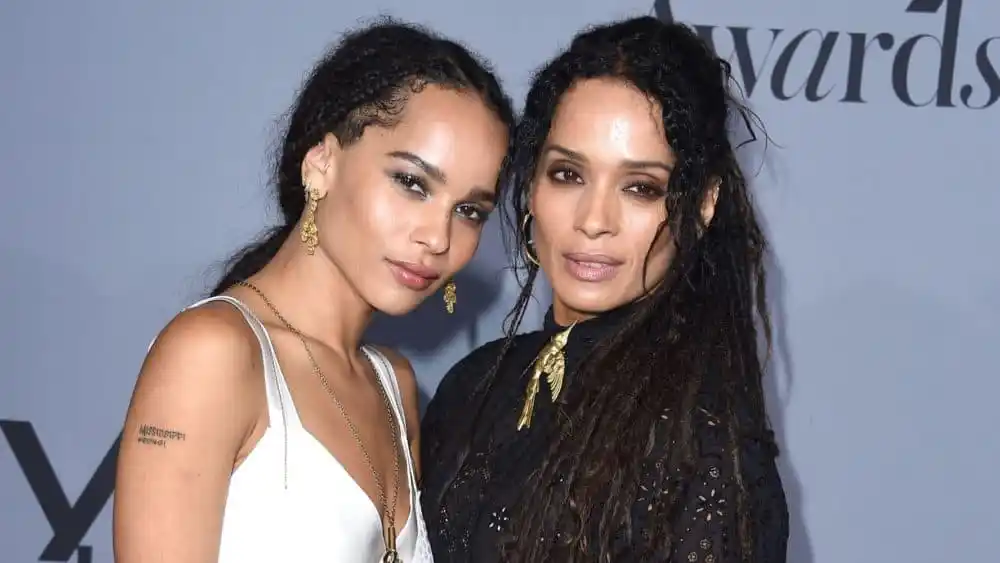
Arlene Litman’s journey as a single mother in Los Angeles represents one of the most defining chapters of her life story. After her divorce from Allen Bonet, Arlene faced the daunting challenge of raising Lisa Bonet alone while maintaining her career as a music teacher in California schools. This period tested every ounce of the resilience and quiet strength that had characterized her life since childhood.
Living in Reseda, a neighborhood in the San Fernando Valley, Arlene created a home environment that balanced financial practicality with cultural richness. As a schoolteacher, her income was modest, requiring careful budgeting and prioritization. Yet despite economic constraints, Arlene ensured that Lisa experienced educational opportunities, creative expression, and exposure to diverse cultural influences.
The challenges of single motherhood in 1970s Los Angeles were substantial. Arlene navigated these waters without the extended family support she might have enjoyed in Pittsburgh, Pennsylvania, where Eli Litman, Sylvia Litman, and her brother Barry Litman resided. The geographical distance from her Jewish-American roots meant that Arlene relied primarily on her own resourcefulness and the community she built in California.
As a music instructor, Arlene understood the importance of discipline, practice, and dedication—lessons she imparted to young Lisa Bonet. She encouraged her daughter’s natural creativity while providing the structure necessary for success. The motherhood Arlene practiced wasn’t permissive or indulgent; rather, it emphasized education, cultural awareness, and the development of inner strength.
This period also showcased Arlene’s determination to provide stability despite adversity. Working full-time while managing household responsibilities, ensuring Lisa’s education, and maintaining her own wellbeing required extraordinary organizational skills and personal sacrifice. The legacy of this single mother journey would later inspire Lisa Bonet’s own approach to parenting when she had children with Lenny Kravitz and Jason Momoa.
Life in Reseda and the San Fernando Valley
The years Arlene Litman spent in Reseda, California, and the surrounding San Fernando Valley shaped both her life and Lisa Bonet’s formative experiences. This region of Los Angeles offered a middle-class environment quite different from both Pittsburgh, Pennsylvania, where Arlene grew up, and the glamorous Hollywood that would later become Lisa’s professional home through The Cosby Show.
Reseda in the 1970s and 1980s represented a diverse, working-class community where families from various ethnic and cultural backgrounds coexisted. For Arlene Bonet, this environment provided a practical base from which to raise her daughter. The San Fernando Valley’s schools, where Arlene likely taught as a music teacher, served students from multiple backgrounds, reflecting the cultural diversity that Arlene valued.
Living in Los Angeles, even in the Valley rather than the more affluent westside, placed Arlene and Lisa in proximity to the entertainment industry. This geographic advantage would prove crucial when opportunities arose for Lisa to pursue acting. Yet during the years when Lisa was growing up, Arlene focused primarily on providing a stable, nurturing environment rather than pursuing Hollywood ambitions.
The California lifestyle differed markedly from Arlene’s Pennsylvania upbringing. The weather, the cultural atmosphere, and the general openness of West Coast society in the 1970s offered certain freedoms that might have been more constrained in other parts of the country. As a Jewish-American woman raising a biracial daughter as a single mother, Arlene found that the San Fernando Valley offered a community more accepting of diversity than many other regions might have been.
The practical realities of life in Reseda—managing rent, grocery shopping, maintaining a car in Los Angeles’s car-dependent culture, and budgeting on a teacher’s salary—shaped Arlene’s daily existence. These mundane but essential aspects of her life in the San Fernando Valley demonstrated the gap between the glamorous narrative often associated with Los Angeles and the working-class reality that Arlene Joyce Litman navigated with determination and grace.
Influence on Lisa Bonet’s Life and Career
The influence of Arlene Litman on Lisa Bonet’s development cannot be overstated. As Lisa Bonet mother, Arlene shaped her daughter’s values, work ethic, and unique perspective on identity and culture. The creative influence Arlene provided extended beyond mere encouragement—it offered a living example of dedication to craft, the importance of education, and the value of authenticity.
Arlene’s background as a music teacher meant that artistic expression was woven into the fabric of daily life. Lisa grew up understanding that creativity required discipline, that talent needed cultivation, and that success demanded both natural ability and persistent effort. These lessons, absorbed during childhood in Reseda, prepared Lisa for the rigors of professional acting when she landed her breakthrough role on The Cosby Show.
When Lisa Bonet was cast as Denise Huxtable at age 16, Arlene’s guidance became even more critical. Navigating Hollywood as a teenager required wisdom beyond Lisa’s years, and Arlene Litman provided the grounding and perspective necessary to maintain balance. The quiet strength that had sustained Arlene through interracial marriage, divorce, and single motherhood now became a resource for her daughter as she entered the unpredictable world of television stardom.
The cultural identity that Arlene helped Lisa develop—embracing both her Jewish heritage from Arlene and her African-American heritage from Allen Bonet—gave Lisa a distinctive presence on screen. During a television era when biracial actors often felt pressure to identify primarily with one aspect of their heritage, Lisa Bonet’s comfort with her mixed background reflected the acceptance and celebration of diversity that Arlene had modeled throughout her life.
Lisa’s unconventional approach to Hollywood, her eventual name change to Lilakoi Moon, her spiritual seeking, and her resistance to being typecast all reflect values that originated with Arlene Joyce Litman. The emphasis on authenticity over commercial success, on personal integrity over public image, and on family over fame can all be traced back to the lessons Arlene imparted during those years in the San Fernando Valley.
Even Lisa’s later relationships and approach to motherhood showed Arlene’s influence. When Lisa married Lenny Kravitz and gave birth to Zoë Kravitz, she drew upon the motherhood model Arlene had provided. Later, as Jason Momoa’s partner and mother to their children, Lisa continued applying principles of parenting and partnership that originated in her mother’s example.
Jewish Heritage and Cultural Identity
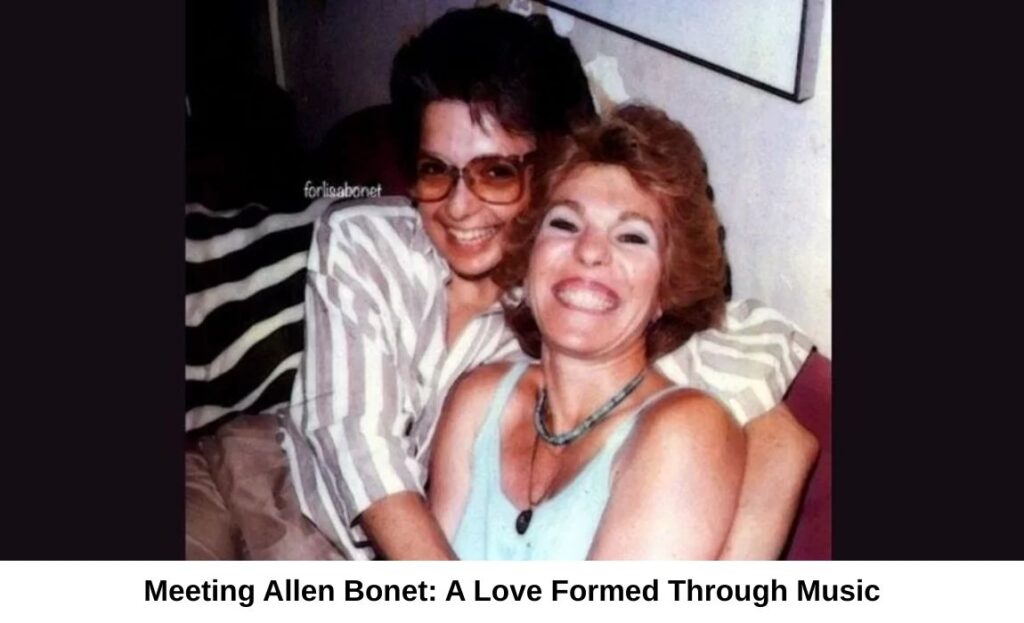
Arlene Litman’s Ashkenazi Jewish heritage formed a central pillar of her identity and subsequently influenced how Lisa Bonet understood her own cultural background. The Jewish-American traditions Arlene inherited from Eli Litman and Sylvia Ellen Goldvarg weren’t merely religious observances—they represented a complete cultural framework encompassing values, worldview, and approach to life’s challenges.
Growing up in Pittsburgh’s Jewish community, Arlene absorbed traditions that emphasized education, social justice, resilience in the face of adversity, and the importance of family. The Ashkenazi Jewish cultural experience, particularly for those with roots in Eastern European immigration, included narratives of displacement, adaptation, and persistence that resonated with Arlene’s own journey from Pennsylvania to California.
When Arlene married Allen Bonet, her Jewish heritage took on new dimensions. Interracial marriage in the 1960s required Arlene to navigate potential tensions within both the Jewish community and broader society. Some more traditional members of the Jewish-American community viewed intermarriage with concern, while simultaneously, American society at large was grappling with civil rights and racial integration. Arlene’s decision to honor her love for Allen while maintaining her Jewish identity required balancing multiple aspects of her cultural self.
The cultural diversity that defined the Bonet household—combining Arlene’s Jewish heritage with Allen’s African-American culture—created a unique environment for Lisa’s upbringing. Arlene ensured that Lisa understood and appreciated her Jewish roots, even as she also embraced her father’s cultural background. This dual heritage would later become one of Lisa Bonet’s most distinctive characteristics, setting her apart in Hollywood and contributing to her unique appeal.
The Jewish emphasis on education, which Arlene embodied through her career as a music teacher and educator, became a gift she passed to Lisa. The value placed on learning, questioning, and intellectual growth that characterizes Jewish cultural tradition influenced how Arlene approached motherhood and how Lisa approached her own life and career decisions.
Additionally, the Jewish experience of being a minority within larger society, of maintaining cultural identity despite external pressures to assimilate, gave Arlene a framework for helping Lisa navigate her biracial identity. The resilience that Jewish culture cultivated in response to centuries of diaspora and persecution became a resource Arlene could draw upon when facing the challenges of being a single mother in Los Angeles or when helping Lisa manage the pressures of early fame.
Later Years and Battle with Breast Cancer
The later years of Arlene Litman’s life brought both the satisfaction of watching Lisa Bonet achieve success and the devastating challenge of a breast cancer diagnosis. As Lisa’s career flourished through The Cosby Show and A Different World, Arlene witnessed her daughter’s accomplishments while simultaneously confronting her own mortality.
The breast cancer that would ultimately claim Arlene’s life represented a cruel irony for a woman who had dedicated herself to nurturing others. As a music teacher and mother, Arlene had spent decades caring for students and her daughter, but now faced an illness that would require her to accept care from others. The disease tested the same resilience and quiet strength that had characterized her entire life.
During this difficult period, the bond between Arlene Joyce Litman and Lisa Bonet deepened further. Lisa, now an established actress and mother herself to Zoë Kravitz (born in 1988 to Lisa and Lenny Kravitz), could better appreciate the sacrifices and challenges her mother had faced. The experience of being a mother gave Lisa new perspective on everything Arlene had done as a single mother in the San Fernando Valley.
The progression of Arlene’s illness occurred during the 1990s, a decade when breast cancer awareness was growing but treatment options remained limited compared to today’s standards. At 58 years old, Arlene Litman was relatively young to face such a devastating diagnosis. The same age that should have brought retirement, grandmotherhood’s joys, and the opportunity to enjoy the fruits of her lifetime of hard work instead became a battle for survival.
Arlene’s approach to her illness reflected the dignity and strength she had displayed throughout her life. Even while confronting mortality, she maintained concern for her family’s wellbeing, particularly for Lisa and young Zoë Kravitz. The legacy she hoped to leave wasn’t material wealth but rather the values, cultural awareness, and strength of character she had modeled throughout her life.
On March 3, 1998, Arlene Litman died from breast cancer, ending a life that had spanned 58 years. Her death occurred when Zoë Kravitz was still a child, meaning that Lisa’s daughter would have limited direct memories of her grandmother. This loss meant that Arlene’s legacy would need to be conveyed through Lisa’s memories and stories rather than through ongoing personal relationship.
The Enduring Legacy of Arlene Litman
The legacy of Arlene Litman extends far beyond her death in 1998. Through Lisa Bonet and subsequently through Zoë Kravitz, Arlene’s influence continues to shape entertainment and culture. The values she instilled, the example she set, and the cultural framework she provided created ripples that have touched millions through her descendants’ work.
Arlene’s legacy as a music teacher lives on in the countless students she influenced during her years as an educator in California. Though their names may not be publicly known, these individuals absorbed lessons about music, creativity, and perseverance that Arlene imparted in countless classrooms throughout the Los Angeles area. Her professional legacy demonstrates that influence doesn’t require fame—dedicated teachers shape society in profound ways that often go unrecognized.
As Lisa Bonet mother, Arlene’s most visible legacy is the daughter she raised. Lisa’s career on The Cosby Show and A Different World broke ground for biracial actresses in mainstream television. Her unconventional choices, her eventual embrace of the name Lilakoi Moon, her advocacy for authentic self-expression, and her refusal to be confined by Hollywood’s expectations all reflect principles Arlene Joyce Litman modeled throughout her life.
The legacy continues through Zoë Kravitz, who has become a successful actress, model, and spokesperson in her own right. Working with brands like YSL Beauté, starring in films and television, and building her own artistic career, Zoë represents the third generation of creative influence that originated with Arlene Litman. Though Zoë’s time with her grandmother was limited due to Arlene’s death when Zoë was young, the values passed from Arlene to Lisa subsequently reached Zoë, creating an intergenerational legacy.
Arlene’s example of resilience in the face of adversity—navigating interracial marriage during the Civil Rights Movement, thriving as a single mother, maintaining her career while raising Lisa, and facing terminal illness with dignity—continues to inspire those who learn her story. Her life demonstrates that ordinary people facing extraordinary circumstances can create lasting impact through dedication, love, and unwavering commitment to their values.
The cultural diversity that Arlene embraced and celebrated through her interracial marriage contributed to changing social norms. Each interracial couple that faced slightly less prejudice than Arlene and Allen Bonet did, each biracial child who grew up with slightly more acceptance than Lisa experienced, benefited indirectly from pioneers like Arlene who refused to let societal conventions dictate matters of the heart.
Family Tree and Famous Descendants
The family tree extending from Arlene Litman represents a fascinating intersection of cultures, talents, and influences that spans multiple generations and continues to shape contemporary entertainment and culture.
First Generation: Arlene’s Origins
Arlene Joyce Litman (February 11, 1940 – March 3, 1998)
- Parents: Eli Litman and Sylvia Litman (Sylvia Ellen Goldvarg)
- Sibling: Barry Litman (brother)
- Heritage: Ashkenazi Jewish, from Pittsburgh, Pennsylvania
Second Generation: Lisa Bonet
Lisa Bonet (born November 16, 1967), also known as Lilakoi Moon
- Parents: Arlene Litman and Allen Bonet
- Heritage: Mixed (Ashkenazi Jewish and African-American)
- Profession: Actress, known for The Cosby Show and A Different World
- Marriages:
- Lenny Kravitz (married 1987-1993)
- Jason Momoa (partnered 2005-2022, married 2017-2022)
Third Generation: Zoë Kravitz and Others
Zoë Kravitz (born December 1, 1988)
- Parents: Lisa Bonet and Lenny Kravitz
- Heritage: African-American, Jewish, and Bahamian
- Profession: Actress, model, singer
- Notable Work: Big Little Lies, The Batman, YSL Beauté campaigns
- Relationship: Karl Glusman (married 2019-2021), Channing Tatum (current partner)
Lola Iolani Momoa (born July 23, 2007)
- Parents: Lisa Bonet and Jason Momoa
- Heritage: Mixed (Jewish, African-American, Native Hawaiian, German, Irish)
Nakoa-Wolf Manakauapo Namakaeha Momoa (born December 15, 2008)
- Parents: Lisa Bonet and Jason Momoa
- Heritage: Mixed (Jewish, African-American, Native Hawaiian, German, Irish)
Extended Family Connections
The family tree also connects to:
- Lenny Kravitz: Renowned musician, Lisa’s ex-husband, Zoë’s father
- Jason Momoa: Actor known for Aquaman and Game of Thrones, Lisa’s former partner
- The Kravitz family legacy in entertainment and music
- The Momoa family heritage incorporating Native Hawaiian culture
Cultural Legacy Table
| Generation | Name | Cultural Heritage | Professional Field |
|---|---|---|---|
| 1st | Arlene Litman | Ashkenazi Jewish | Music education |
| 1st | Allen Bonet | African-American | Opera performance |
| 2nd | Lisa Bonet | Jewish/African-American | Television/Film acting |
| 3rd | Zoë Kravitz | Jewish/African-American/Bahamian | Film/Modeling/Music |
| 3rd | Lola & Nakoa-Wolf Momoa | Jewish/African-American/Native Hawaiian | Next generation |
This family tree demonstrates how Arlene Litman’s decision to embrace cultural diversity through her interracial marriage created a legacy of multicultural identity that has become increasingly celebrated in contemporary society. Each generation has built upon the foundation Arlene established, contributing to entertainment while embodying the cultural richness that originated with her choices.
Frequently Asked Questions About Arlene Litman
Who was Arlene Litman?
Arlene Joyce Litman was Lisa Bonet’s mother, a Jewish-American music teacher born on February 11, 1940, in Pittsburgh, Pennsylvania, who died from breast cancer on March 3, 1998, at age 58.
What was Arlene Litman’s profession?
Arlene worked as a music teacher and schoolteacher in California, dedicating her career to music education and nurturing young students’ creativity.
When did Arlene Litman die?
Arlene Litman died on March 3, 1998, after battling breast cancer. She was 58 years old at the time of her death.
What was Arlene Litman’s ethnic background?
Arlene was Ashkenazi Jewish, born to Eli Litman and Sylvia Litman (Sylvia Ellen Goldvarg) in Pittsburgh’s Jewish-American community.
Who was Arlene Litman married to?
Arlene married Allen Bonet, an African-American opera singer, in an interracial marriage during the 1960s that was considered groundbreaking for its time.
Where did Arlene Litman live?
Arlene lived in Pittsburgh, Pennsylvania, during her childhood and later moved to California, residing in Reseda and the San Fernando Valley while raising Lisa Bonet.
How did Arlene Litman influence Lisa Bonet?
Arlene influenced Lisa through her emphasis on education, cultural diversity, authenticity, and resilience, shaping Lisa’s approach to both her acting career and personal life.
Was Arlene Litman a single mother?
Yes, after divorcing Allen Bonet, Arlene raised Lisa as a single mother in Los Angeles, balancing her teaching career with the responsibilities of motherhood.
What is Arlene Litman’s connection to Zoë Kravitz?
Arlene Litman was Zoë Kravitz’s maternal grandmother, though Zoë was only about 9–10 years old when Arlene died in 1998.
Did Arlene Litman have any other children besides Lisa Bonet?
No, Lisa Bonet was Arlene’s only child from her marriage to Allen Bonet.
Conclusion
Arlene Joyce Litman’s life story encompasses far more than her role as Lisa Bonet’s mother, though that relationship remains her most publicly recognized legacy. From her birth on February 11, 1940, in Pittsburgh, Pennsylvania, to her death from breast cancer on March 3, 1998, Arlene’s journey represented a life of quiet strength, cultural courage, and unwavering dedication to education and family.
As a music teacher, she touched countless lives through her work as an educator. As a woman who embraced interracial marriage during the Civil Rights Movement era, she challenged societal conventions and helped pave the way for greater acceptance of cultural diversity.
As a single mother raising Lisa Bonet in the San Fernando Valley, she demonstrated the resilience and determination that would inspire her daughter’s own approach to life and motherhood.
Today, through Lisa Bonet, Zoë Kravitz, and the extended family that includes connections to Lenny Kravitz and Jason Momoa, Arlene Litman’s legacy continues to influence entertainment and culture, proving that one woman’s commitment to love, education, and authenticity can echo through generations.