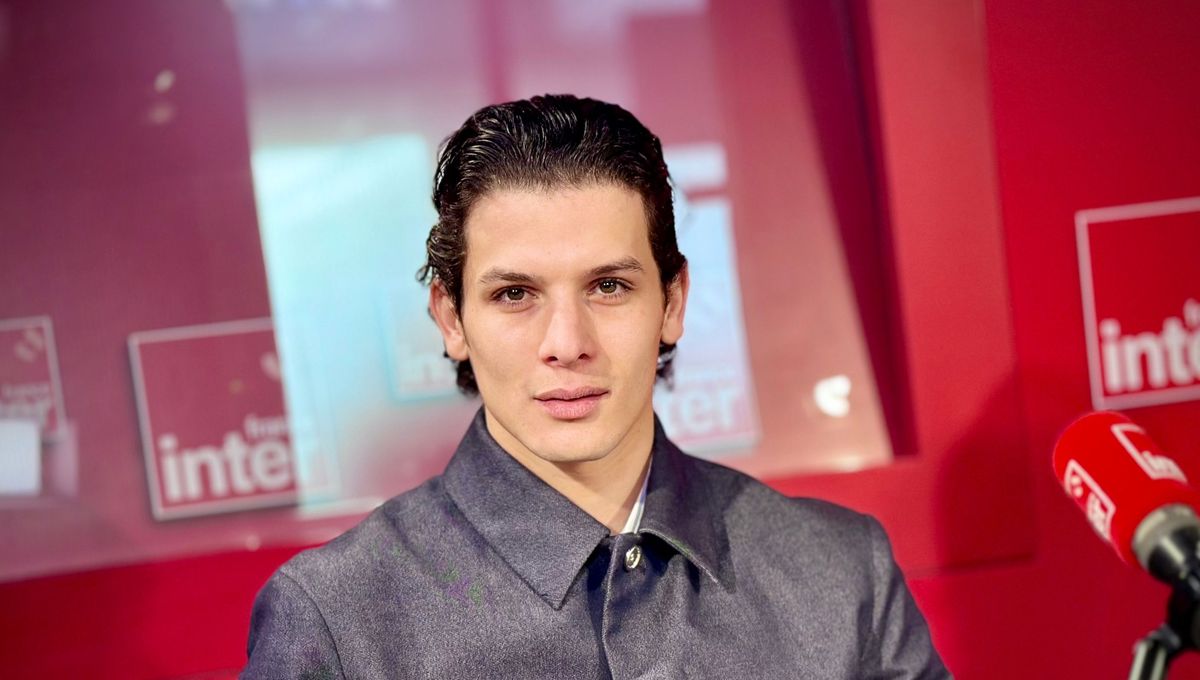

You know what’s funny? Sometimes the most talented actors slip right under your radar until one moment—one single performance—makes you sit up and actually pay attention. That’s exactly what happened with Noham Edje.
I’ll be honest with you. When I first heard about this French actor, I didn’t think much of it. Another name in the endless stream of emerging talent from European cinema, right? But then I watched Les Amandiers at Cannes, and… well, everything changed. There’s something about the way this young talent commands the screen that you just can’t ignore. It’s raw. It’s authentic. And it’s exactly what French cinema needs right now.
So who is Noham Edje? What movies has Noham Edje been in? And why should you care about this rising actor in 2026? Let me walk you through everything—and I mean everything—about this cinema sensation who’s quietly becoming one of the most compelling voices in new French cinema.
Table of Contents
Quick Biography: Noham Edje at a Glance
| Category | Details |
|---|---|
| Full Name | Noham Edje (also known as Noham Hedjem) |
| Profession | Actor, Director, Writer |
| Nationality | French |
| Known For | Les Amandiers (Forever Young), Bardot, Hanna |
| Breakthrough Role | Franck in Les Amandiers (2022) |
| Major Festival | 75th Cannes Film Festival – Competition |
| Recent Projects | Dracula (2025), The Guest (2024) |
| Directing Debut | Gameos (2022) |
| Agency | Adéquat (France) |
| @nohamedje (21K+ followers) | |
| Awards | 1 nomination |
Who Is Noham Edje?
Noham Edje is a French actor who’s been making serious waves in European cinema since his breakthrough at the Cannes Film Festival in 2022. But here’s the thing—he’s not just an actor. This guy writes, directs, and somehow manages to bring a level of authenticity to every project that feels… I don’t know, different? Genuine, maybe?
When people ask “who is Noham Edje,” they’re usually surprised to learn he’s been working steadily in French television and indie films for years before anyone really noticed. The Noham Edje biography isn’t some overnight success story. It’s actually way more interesting than that.
Sometimes credited as Noham Hedjem (his alternative name in earlier work), he’s built his career the old-fashioned way—one small role at a time, learning the craft, taking risks. And now? Now he’s positioned as one of the rising French actors 2026 is paying serious attention to.
Early Life and Background
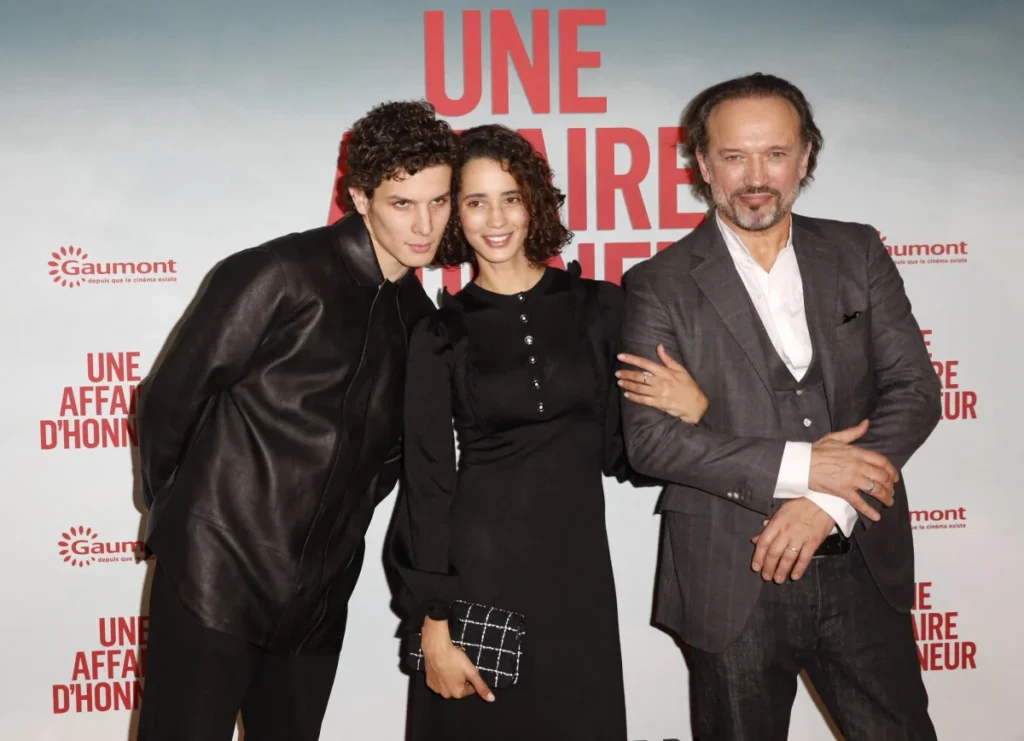
Here’s where things get a bit murky, and honestly, I think that’s part of his appeal. Unlike some actors who blast their entire life story across social media, Noham Edje keeps his personal background pretty close to the chest. We don’t have a ton of details about his childhood or where exactly he grew up in France.
What we do know? He’s French through and through. The way he embodies these complex, layered characters—there’s a European sensibility there that you can’t fake. It’s in his bones, you know?
From Unknown to Rising Star
The journey from unknown to rising star wasn’t exactly linear for this young talent. Let me paint you a picture of how this actually unfolded.
Back in 2020, Noham Edje (still going by Noham Hedjem at the time) landed a small role in a Prime Video series called Hanna. Just one episode. Playing a character named Felix. Nothing that would make headlines, right? But if you watch that episode now—knowing what we know about his later work—you can see it. That spark. That intensity.
Then came Tender Age in 2020, a short film where he played a character literally named Noham. Then Girlsquad in 2021, a TV series where he appeared as Yanis across seven episodes. Small parts. Building blocks. The kind of work that doesn’t get you Instagram followers but teaches you how to actually act.
The turning point? 2022. That’s when everything shifted for this French actor. Multiple projects dropped almost simultaneously—Forever Young (the international title for Les Amandiers), Gameos (which he wrote AND directed), and the beginning of his work on Bardot. Suddenly, Noham Edje wasn’t just another face in French cinema. He was someone directors wanted. Someone festival programmers noticed.
And look, I’ve watched enough actors flame out after early success to know that talent alone doesn’t cut it. You need timing. You need the right projects. You need—and this sounds cheesy but it’s true—you need to connect with something deeper in the audience. Noham Edje did all three.
His transition from television work to film festival darling happened faster than most, but it wasn’t random. Every role he chose showed range. Felix in Hanna? Completely different energy than Yanis in Girlsquad. And Franck in Les Amandiers? That was a whole other level entirely.
Career Breakthrough at Cannes
Okay, so let’s talk about the moment that changed everything. Cannes 2022. The 75th edition of the most prestigious film festival in the world. And there’s Noham Edje, part of the official competition with Valeria Bruni Tedeschi’s Les Amandiers.
This wasn’t some small screening tucked away in a side category. This was the main event. The big stage. Where careers are made and reputations are built or destroyed.
Les Amandiers (Forever Young) – The Defining Role
If you want to understand what Noham Edje brings to the table as an actor, you absolutely have to watch Les Amandiers. Known internationally as Forever Young, this film is… it’s something special. Really.
The story centers on a theater troupe at a prestigious French drama school. It’s set in the 1980s, inspired by Valeria Bruni Tedeschi’s own experiences studying under the legendary theater director Patrice Chéreau. And Noham Edje plays Franck—one of the young students navigating ambition, friendship, love, and the brutal reality of pursuing art in a world that doesn’t always care.
Here’s what got me about his performance: Franck isn’t some perfectly polished character. He’s messy. He’s vulnerable. He makes mistakes. And Noham Edje doesn’t try to make him likable or sympathetic through cheap tricks. He just… inhabits this person completely. You believe every moment.
The film itself received mixed reviews—some critics loved it, others felt it was too indulgent—but almost everyone agreed on one thing: the ensemble cast, including Noham Edje, absolutely delivered. There’s this rawness to the performances that feels almost documentary-like at times. You forget you’re watching actors playing drama students. You just see the drama students.
This breakthrough role at the Cannes competition did exactly what breakthrough roles are supposed to do—it announced Noham Edje as someone worth watching. Someone who could handle complex material. Someone who understood the assignment, as they say.
And the film’s success (it eventually got a wider release and strong reviews in French cinema circles) meant that Noham Edje movies were suddenly on people’s radar in a way they hadn’t been before.
Working with Valeria Bruni Tedeschi

Now, Valeria Bruni Tedeschi isn’t just any director. She’s an icon in French cinema. An actress-turned-filmmaker who brings this incredible psychological depth to everything she touches. So when you’re a young actor getting directed by her in a film that’s deeply personal to her? That’s not just a job. That’s a masterclass.
From what I’ve gathered—through interviews and behind-the-scenes material from the Cannes Film Festival—working with Bruni Tedeschi pushed Noham Edje in ways that television work simply couldn’t. She demands honesty. She wants her actors to peel back layers, to find truth in moments that might seem small or insignificant.
You can see the influence of that collaboration in everything Noham Edje has done since. There’s a willingness to be uncomfortable on screen. To let scenes breathe. To trust silence as much as dialogue.
And here’s the thing about directors like Bruni Tedeschi—they don’t work with just anyone. They choose actors who can match their vision, who can go to those deep places emotionally. The fact that she cast Noham Edje in such a crucial role in Les Amandiers? That says everything about what she saw in him.
Notable Film and Television Roles
Alright, let’s break down the Noham Edje filmography because it’s more extensive than you might think. And I’m not just talking about the big-name projects. Some of his most interesting work has been in shorts and television series that most people outside France haven’t even heard of.
Bardot: Portraying Jean-Louis Trintignant
This one’s fascinating for so many reasons. Bardot is a television miniseries that aired in 2023 on France Télévisions, diving deep into the life of Brigitte Bardot—one of the most iconic French actresses of all time. And Noham Edje? He plays Jean-Louis Trintignant.
Now, if you know your French cinema history, you know that Trintignant was a massive star in his own right. A legendary actor who worked with everyone from Éric Rohmer to Michael Haneke. And his relationship with Brigitte Bardot—particularly during the filming of And God Created Woman with director Roger Vadim—was complicated, intense, and absolutely central to both of their mythologies.
Playing a real person, especially someone as beloved and well-documented as Trintignant, is risky. You’re not just creating a character from scratch. You’re stepping into shoes that millions of people remember clearly. You’ve got to find the essence of the person without doing a cheap impersonation.
And from what I’ve seen of Noham Edje’s portrayal? He nails it. He captures something about Trintignant’s quiet intensity, that mix of charm and depth that made him such a compelling screen presence. He doesn’t try to become Trintignant—he finds a way to channel him, to honor him, while still bringing his own interpretation.
The Bardot miniseries itself got solid reviews, and Noham Edje’s work was specifically highlighted by French critics as one of the standout elements. It showed range, too. This wasn’t just a young actor playing another young character. This was a character study of a real historical figure. Different challenge entirely.
Hanna and Early Television Work
Before the Cannes breakthrough, before Bardot, there was Hanna. This Prime Video series (later available on Netflix in some regions) was actually Noham Edje’s first major international production. He appeared in one episode in 2020, playing Felix.
Now, Hanna is this intense action thriller about a girl raised by an ex-CIA operative to be the perfect assassin. It’s fast-paced, it’s violent, and it’s absolutely not the kind of project you’d expect to lead to French art house cinema. But that’s kind of the point, isn’t it?
Noham Edje has never been precious about the kind of work he takes. Television series? Sure. Short films? Absolutely. Indie projects that’ll screen at one festival and then disappear? Why not? This willingness to just work, to learn the craft across different mediums and genres, is part of what makes him so interesting.
His early television work also included Girlsquad (2021), where he played Yanis across seven episodes. Then there was Ourika (2024), where he took on the role of William in a television series that aired in France to decent viewership numbers.
Each of these roles was different. Felix in Hanna was tense and grounded in a hyper-realistic thriller world. Yanis in Girlsquad had more room for character development across multiple episodes. William in Ourika—from what I’ve gathered—allowed him to explore different emotional territory entirely.
This is what a smart actor does early in their career, by the way. They don’t just chase the biggest paycheck or the most prestigious credit. They take roles that challenge them in different ways. They build a toolkit of skills and experiences that they can draw on later.
Dracula (2025) and Recent Projects
And then we get to 2025, which brings us Dracula. Now this is interesting because it’s a big-budget production that just hit theaters, and Noham Edje plays “Young Man Versailles.” Not the lead, but a notable supporting role in a film that’s getting serious attention.
The film stars Caleb Landry Jones (who’s brilliant, by the way) and takes a fresh approach to the Dracula mythology. I won’t spoil anything, but let’s just say it’s not your typical vampire movie. It’s weird. It’s atmospheric. And it’s the kind of project that shows Noham Edje can work in bigger productions without losing that indie film authenticity he’s built his reputation on.
Beyond Dracula, 2025 also saw him in Dans les cordes, a short film where he played Rayan. And he’s got Je suis fleur in post-production, where he takes on the role of Ahmed. These indie films and shorts continue to be part of his career strategy, which I think is smart. Stay connected to the independent cinema world even as bigger opportunities come along.
Recent projects showcase something important about Noham Edje’s approach to building a career in French cinema—he’s not abandoning his roots. He’s not suddenly only taking Hollywood-adjacent roles or big-budget European productions. He’s still doing shorts. Still taking interesting character parts in films that might not make much money but offer creative challenges.
Directing and Creative Work
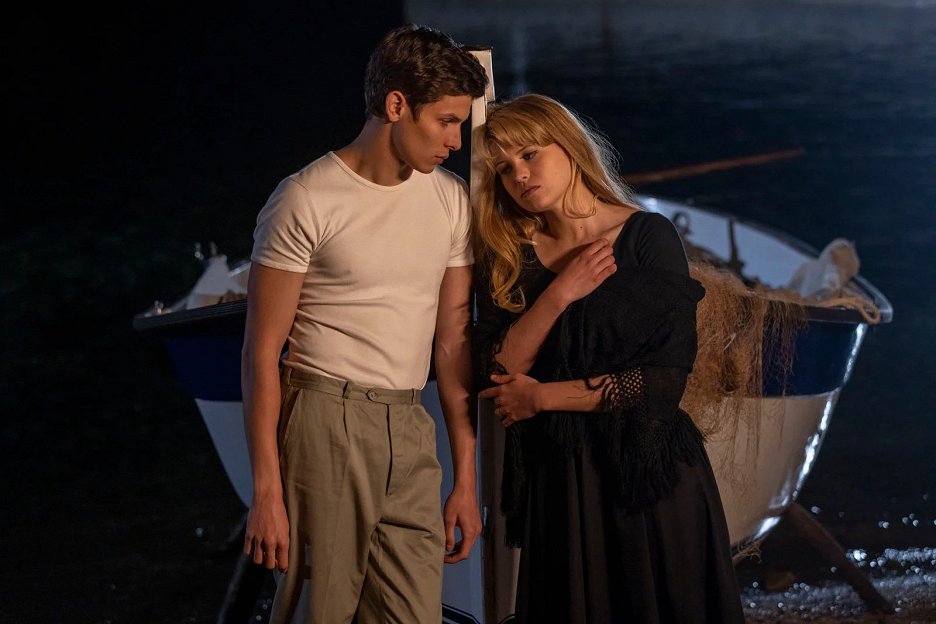
Here’s where things get really interesting, and where I think we see the full scope of Noham Edje’s artistic ambitions. Because he’s not content to just be an actor, even a really good one. He wants to tell stories from behind the camera too.
Gameos (2022) – Writer and Director
Gameos is Noham Edje’s director debut, and it’s a short film that he wrote, directed, and starred in. Talk about wearing multiple hats, right?
The film came out in 2022, the same year as his Cannes breakthrough with Les Amandiers. So while the film festival world was discovering him as an actor, he was simultaneously establishing himself as a filmmaker with his own voice and vision.
Now, I’ll be honest—Gameos hasn’t gotten wide distribution, and detailed information about the plot is limited. But what we do know is that Noham Edje played the character Paul, and the film represents his first serious attempt at stepping behind the camera.
Here’s what I find compelling about this: making a short film as a writer-director while also pursuing an acting career takes serious commitment. Short films don’t pay well (usually they don’t pay at all). They’re passion projects. They’re calling cards. They’re ways to prove you can do the work.
The fact that Noham Edje prioritized making Gameos—that he took the time to write a script, assemble a crew, direct the thing, and also perform in it—tells you something about his creative drive. He’s not waiting for permission. He’s not waiting for someone to hand him a directing opportunity. He’s making his own.
The Guest (2024)
Following up Gameos, Noham Edje directed The Guest in 2024. Again, this is a short film, but it represents continued commitment to developing his directing skills.
For The Guest, he stepped out of the acting role entirely—just directing this time. Which is actually a smart move. When you’re trying to establish yourself as a director, sometimes acting in your own projects can muddy the waters. People focus on your performance instead of your directorial choices.
The pattern here is clear: Noham Edje is building a directing career methodically. Start with shorts. Learn the craft. Make mistakes where the stakes are lower. Build relationships with crew members and other creative collaborators. Then, eventually, when the opportunity comes for a feature-length project, you’re ready.
I’ve seen too many actors try to jump straight into directing feature films without putting in this kind of groundwork, and it usually doesn’t go well. But Noham Edje seems to understand that directing is a whole separate skillset that requires its own apprenticeship.
And look, the French cinema industry has a long tradition of actor-directors. From Sacha Guitry to Mathieu Amalric to Valeria Bruni Tedeschi herself—actors who become filmmakers are part of the DNA of French film culture. Noham Edje is following a well-worn but respected path.
Acting Style and Approach
Okay, so this is where things get a bit more subjective, but I’ve spent enough time watching Noham Edje’s work to identify some patterns in his acting style and approach.
First off—and this is crucial—he’s a naturalistic actor. He doesn’t go big. He doesn’t showboat. There’s no scenery-chewing, no obvious “acting” happening on screen. Everything feels organic, lived-in, real.
Watch him in Les Amandiers and you’ll see what I mean. There are moments where he’s just… existing in the frame. Listening. Reacting. Not trying to steal focus or make a moment more than it is. That takes discipline. It takes confidence, actually. Because a lot of actors, especially young ones, feel like they need to do something in every scene to justify their presence.
Noham Edje trusts the camera. He trusts the audience to read subtle shifts in expression, small gestures, the weight of a pause. It’s the kind of acting that doesn’t announce itself, but it accumulates. By the end of a film, you realize you’ve been watching someone completely inhabit a character without ever breaking the spell.
There’s also this vulnerability he brings to every role. His characters don’t have all the answers. They’re searching. They’re uncertain. And in a weird way, that uncertainty becomes the most honest thing on screen.
When he played Jean-Louis Trintignant in Bardot, he could have gone for the glamorous movie star version. But instead, he found the humanity underneath. The insecurity. The complexity. That’s a choice. That’s an approach to character work that prioritizes depth over surface appeal.
And then there’s his physicality. Noham Edje uses his body in really interesting ways. Not in a showy, theatrical sense—but in the way he carries himself, the way he moves through space. There’s often this slight hesitation in his movements, like his characters are feeling their way through situations rather than bulldozing through them.
I think his theater troupe experience (both real and fictional, through Les Amandiers) has influenced this. There’s a stage-trained quality to his awareness of his body in space, but filtered through a very cinematic sensibility that understands the camera captures everything.
Compared to other rising actors in French cinema right now, Noham Edje stands out for his restraint. While others might be going for more flamboyant, attention-grabbing performances, he’s zigging where they’re zagging. He’s trusting that audiences will lean in rather than demanding they pay attention.
Industry Recognition and Festival Presence
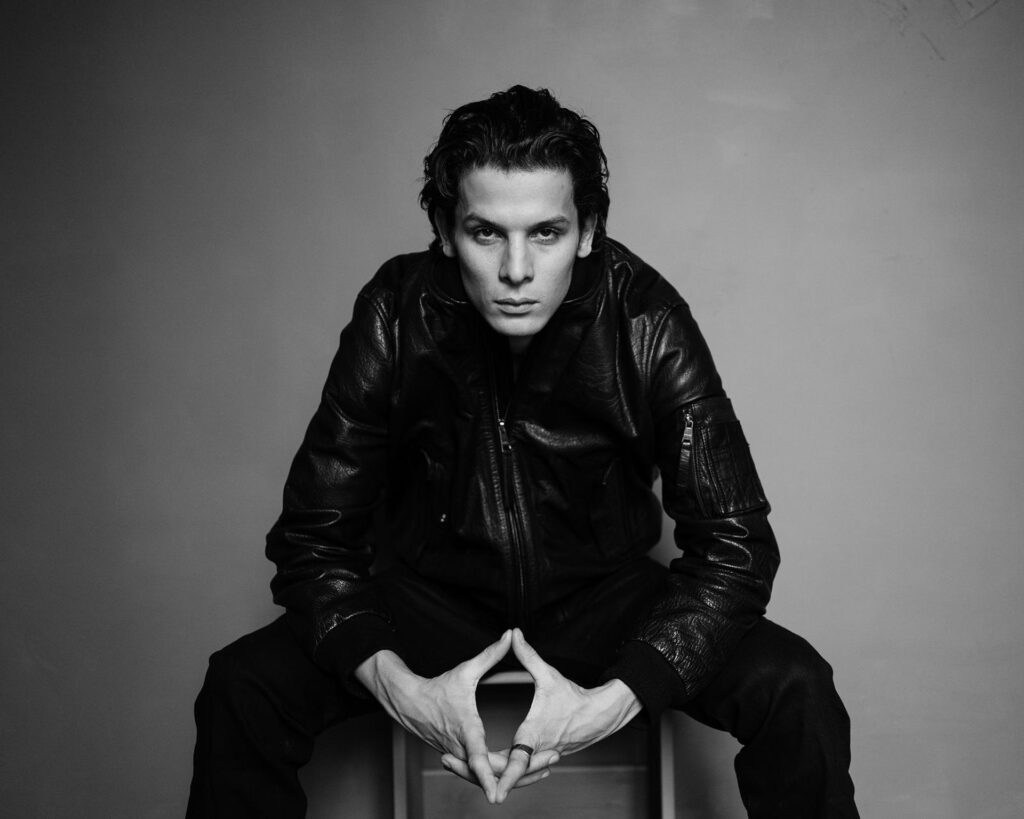
Let’s talk accolades and recognition, because this matters in terms of understanding where Noham Edje stands in the industry right now.
Cannes Film Festival Impact
The Cannes Film Festival impact on Noham Edje’s career can’t be overstated. Being part of the official competition at the 75th Cannes with Les Amandiers was transformative.
Here’s the thing about Cannes—it’s not just about awards. It’s about visibility. It’s about legitimacy. When you’re part of that official selection, you’re suddenly on the radar of producers, directors, casting agents, and film journalists from around the world.
The festival presence at Cannes opened doors that might have taken years to open otherwise. Suddenly, Noham Edje wasn’t just a French television actor doing shorts and indie films. He was a Cannes actor. Part of the competitive landscape at the most prestigious film festival in the world.
And the thing about Cannes is that it has this ripple effect. The attention you get there follows you. Years later, people still reference it. “Oh, he was in that film at Cannes in 2022.” It becomes part of your identity as an artist.
The 75th Cannes Film Festival was particularly star-studded, with major films from auteurs around the world. Just being in that company—sharing festival space with the biggest names in cinema—elevates your profile in ways that are hard to quantify but impossible to ignore.
Awards and Nominations
Now, in terms of actual awards, Noham Edje has one nomination to his name according to official records. And look, I’m not going to pretend that one nomination puts him in the same category as award-magnets who’ve been in the industry for decades.
But here’s what’s important: he’s early in his career. Like, really early. Most of his major work has come out in just the last three or four years. Awards recognition tends to lag behind good work, especially in European cinema where festival circuits and award seasons work differently than in Hollywood.
The fact that he’s already getting nominations—that his work is being recognized by industry peers—suggests that more accolades are likely coming. Especially if he continues choosing projects as carefully as he has been.
Also, let’s be real about awards in French cinema. They’re important, sure, but they’re not the only measure of success or respect. Some of the most revered actors in French film history didn’t win a ton of awards, especially early in their careers. What mattered was the work. The choices. The commitment to the craft.
And by those measures, Noham Edje is doing just fine.
Future Projects and 2026 Outlook
So where does Noham Edje go from here? What’s the 2026 outlook for this rising French actor?
Based on current information, he’s got Je suis fleur in post-production, where he’ll play Ahmed. That should be hitting festivals sometime in 2026, assuming post-production stays on schedule.
But beyond the specific projects we know about, there’s a bigger question: what kind of career does Noham Edje want to build?
From everything I’ve observed, he seems committed to maintaining a balance between artistic credibility and career sustainability. That means continuing to work in French cinema and European cinema more broadly, while also being open to bigger international productions like Dracula.
I wouldn’t be surprised to see him land a major role in a Netflix series or a streaming platform production. The way streaming services are investing in international content—particularly European content—creates opportunities for actors like Noham Edje who can bring authenticity to roles while also appealing to global audiences.
There’s also the directing track. If he continues making short films and developing his voice behind the camera, a feature-length directing project feels inevitable. Maybe in the next two to three years? That’s pure speculation on my part, but the trajectory is there.
And here’s what I think could be really interesting: Noham Edje could become one of those actors who bridges different worlds. Who’s equally comfortable in intimate French indie films and bigger European co-productions. Who can work in French, English, maybe other languages. Who brings a European sensibility to international projects while also representing new French cinema to the world.
The rising French actors 2026 landscape is competitive. There are a lot of talented people fighting for attention. But Noham Edje has something that not everyone has—he’s got range, he’s got credibility from Cannes, he’s got the directing ambitions, and he’s got that ineffable quality that makes audiences want to watch him.
If I were betting on French actors to break through to wider international recognition over the next few years, Noham Edje would absolutely be on that list.
Social Media and Public Presence
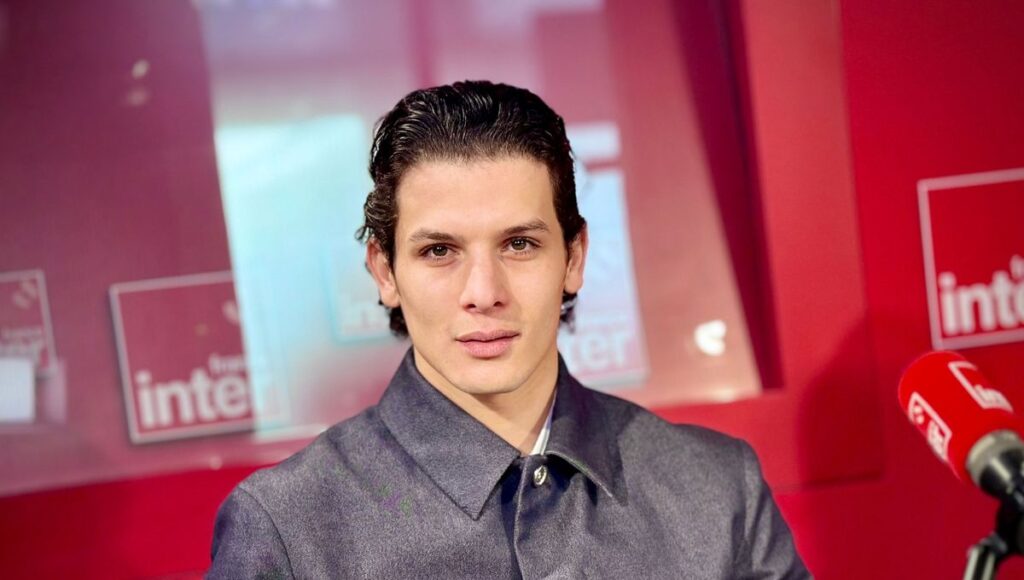
Let’s talk about Noham Edje’s social media presence, because it’s actually pretty interesting in what it reveals about his approach to fame and public life.
His Instagram handle is @nohamedje, and he’s got around 21,000 followers as of early 2026. Now, by influencer standards, that’s nothing. But for a French actor who’s primarily worked in indie films and television? It’s actually pretty solid.
What’s notable is what he posts. It’s not your typical actor Instagram. He’s not constantly promoting projects or posting selfies or doing the whole “personal brand” thing that social media consultants always push.
Instead, his bio just says “Welcome to Sparta”—which is intriguing and gives you absolutely nothing in terms of personal information. Classic.
The posts themselves (from what I’ve seen) tend to be more artistic. Film-related. Thoughtful. There’s a curation happening, but it doesn’t feel calculated. It feels like someone who respects the medium of photography and visual storytelling, using Instagram as an extension of that interest rather than just a promotional tool.
And honestly? I respect that approach. In an era where actors are expected to be content creators and influencers and personal brands 24/7, there’s something refreshing about someone who keeps some mystery. Who doesn’t overshare. Who lets the work speak louder than the social media presence.
His follower count of 21K also tells us something about where he is in his career arc. He’s known. He’s got a following. But he’s not yet a household name. He’s in that sweet spot where people who pay attention to French cinema know exactly who he is, while the general public might not recognize the name yet.
That could change quickly, though. One breakout role in a widely distributed film or series, and those follower numbers could explode. We’ve seen it happen with other European actors who suddenly land a role in a popular Netflix series or a high-profile international production.
But for now, Noham Edje seems content to let his work do most of the talking. And in 2026, when everyone’s shouting for attention online, that quiet confidence is actually pretty compelling.
Why Noham Edje Matters to French Cinema
Okay, let’s zoom out for a second and talk about the bigger picture. Why does Noham Edje matter to French cinema specifically? What does he represent that goes beyond just one actor’s career?
First, he’s part of a new generation that’s redefining what French acting looks like. The old guard of French cinema—your Depardieu, your Binoche, your Auteuil—they were incredible, but they came from a different era. A different training ground. A different cultural moment.
Noham Edje and actors like him are products of a more globalized world. They grew up watching American films and French films and everything in between. They’re comfortable moving between languages, between genres, between art house cinema and commercial projects. They don’t see those boundaries as rigid as previous generations did.
Second, he represents a shift toward naturalism in French acting. French cinema has always had its theatrical tradition—big gestures, verbal fireworks, a certain self-consciousness about performance. And that’s great. That’s part of the tradition.
But Noham Edje is part of a movement toward something more stripped-down. More observational. More influenced by documentary and realism than by stage traditions. You can see it in his work in Les Amandiers, in Bardot, in everything really. There’s a rejection of artifice.
Third—and this is important—he’s an actor who’s also a filmmaker. He writes. He directs. He thinks about cinema from multiple angles. This positions him to potentially be part of the creative leadership of French cinema going forward, not just as a performer but as someone who shapes the stories being told.
The French cinema industry has always valued auteur filmmakers—directors who write their own material, who have a singular vision. If Noham Edje continues developing as a director alongside his acting career, he could become one of those auteur figures that French cinema is famous for producing.
And finally, on a more practical level, he represents the sustainability of French cinema as an industry. For French film to continue thriving internationally, it needs fresh faces. It needs actors who can anchor films that play at Cannes, that get distributed globally, that represent French culture and sensibility to worldwide audiences.
Noham Edje is exactly that kind of actor. He’s got the talent, he’s got the credibility, and he’s got the potential to carry French cinema forward into new territories and new audiences.
FAQs
Who Is Noham Edje?
Noham Edje is a French actor, director, and writer best known for his breakthrough role in Les Amandiers at the 2022 Cannes Film Festival and his portrayal of Jean-Louis Trintignant in the Bardot miniseries.
What Movies Has Noham Edje Been In?
His filmography includes Les Amandiers (Forever Young), Dracula (2025), Dans les cordes, The Edge of the Blade, and several French television series such as Bardot, Hanna, and Ourika.
How Old Is Noham Edje?
His exact age has not been publicly disclosed, but based on his professional career beginning around 2020, he is estimated to be in his mid-to-late twenties.
Is Noham Edje in Dracula?
Yes, Noham Edje appears in Dracula (2025), playing the character Young Man Versailles, alongside Caleb Landry Jones in the atmospheric vampire film.
What Is Noham Edje Known For?
He is known for his naturalistic acting style, his role in the Cannes competition film Les Amandiers, and his portrayal of Jean-Louis Trintignant in the Bardot television miniseries.
Is Noham Edje the Same Person as Noham Hedjem?
Yes, Noham Hedjem is an alternative name he used earlier in his career, particularly for his roles in Hanna and Tender Age.
What Language Does Noham Edje Speak?
He is a native French speaker and has primarily worked in French-language productions, though he has also appeared in international projects like the Prime Video series Hanna.
Has Noham Edje Won Any Awards?
He has received one official nomination so far. As an emerging actor, his career is still in its early stages with strong potential for future awards and recognition.
What Agency Represents Noham Edje?
Noham Edje is represented by Adéquat, a French talent agency known for managing rising actors in European cinema.
Where Can I Follow Noham Edje on Social Media?
You can follow him on Instagram at @nohamedje, where he has over 21,000 followers and shares updates about his work and artistic interests.
Conclusion
So here’s where we land. Noham Edje is not just another actor trying to make it in French cinema. He’s a genuine talent who’s already proven himself at the highest levels—competing at Cannes, delivering nuanced performances in everything from indie shorts to television miniseries to feature films.
What makes him compelling isn’t just the roles he’s taken or the festivals he’s been part of. It’s the choices he’s making. The balance between artistic credibility and career building. The commitment to directing alongside acting. The willingness to disappear into characters rather than playing to the camera.
When people ask “who is Noham Edje,” they’re really asking a bigger question: what does the future of French cinema look like? And if actors like him are any indication, that future looks pretty damn interesting.
He’s got the talent. He’s got the credibility. He’s got the work ethic. And in 2026, as he continues building on the foundation he’s already established, I genuinely believe we’re watching someone who could define his generation of European actors.
Will he become a massive international star? Maybe. Maybe not. That’s not really the point. The point is that he’s an artist who’s committed to the craft, who’s making interesting choices, who’s working with visionary directors like Valeria Bruni Tedeschi, and who’s building something sustainable.
As someone who loves French cinema and wants to see it continue thriving and evolving, Noham Edje represents exactly the kind of talent the industry needs. Not someone chasing fame. Not someone looking for the quickest path to Hollywood. But someone deeply committed to the work itself.
And honestly? In an industry full of shortcuts and compromises and people chasing trends, that commitment to craft is the most exciting thing of all.
Keep an eye on Noham Edje. Something tells me his best work is still ahead of him. And if Les Amandiers was his announcement to the world, if Bardot was his proof of range, then whatever comes next—that’s going to be worth paying attention to.
Welcome to the era of new French cinema. And welcome to Noham Edje stepping into a leading role in that story.