

Broadway’s most powerful theater owner sits atop a $340 million fortune in 2025—but could Jordan Roth really hit $450 million by 2030? As president of Jujamcyn Theaters and Creative Director of ATG Entertainment, this Tony Award-winning producer has transformed Broadway’s business model while building one of entertainment’s most diversified empires. This forecast breaks down exactly how he got here and where he’s headed next.
Table of Contents
Jordan Roth Quick Facts Table
| Category | Details |
|---|---|
| Full Name | Jordan Roth |
| Date of Birth | November 13, 1975 |
| Age | 49 years old (2025) |
| Current Net Worth | $340 million |
| Projected Net Worth 2030 | $400-450 million (conservative) |
| Profession | Broadway Producer, Theater Owner, Creative Director |
| Education | Princeton University (BA), Columbia Business School (MBA) |
| Spouse | Richie Jackson (married 2012) |
| Famous Productions | The Book of Mormon, Kinky Boots, Hadestown, Angels in America |
| Awards | 3 Tony Awards for Best Musical |
| Position | President of Jujamcyn Theaters, Creative Director ATG Entertainment |
| Social Media | Instagram: 180K+ followers |
Who Is Jordan Roth? The Broadway Powerhouse Behind $340 Million
From Theater Heir to Self-Made Mogul
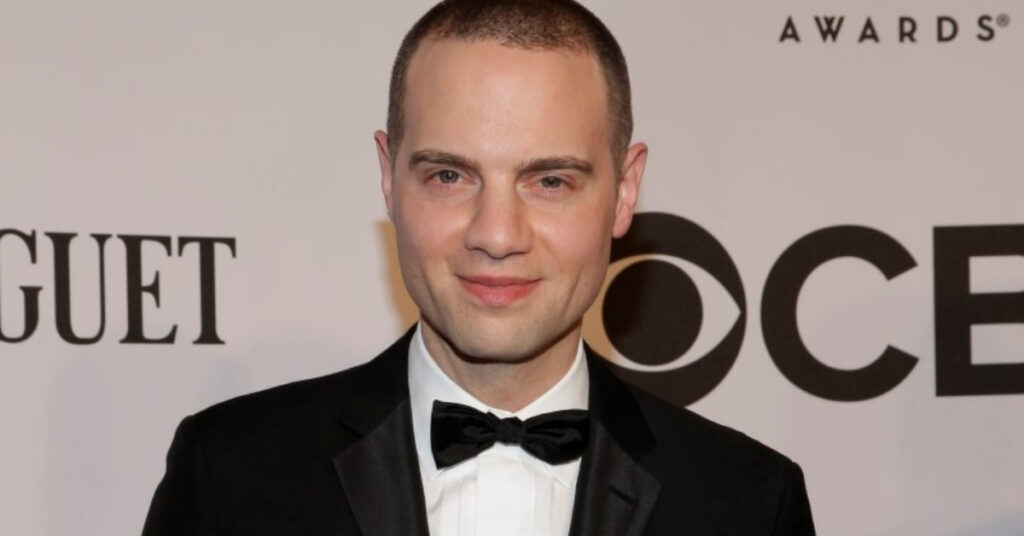
Jordan Roth was born November 13, 1975, in New York City into theater royalty, but he built his Broadway business empire through calculated risks and strategic vision. His mother, Daryl Roth, is a Broadway legend with her own production company and net worth estimated between $180-220 million. His father, Steven Roth, chairs Vornado Realty Trust, a massive real estate investment trust managing billions in commercial properties.
Despite this privileged background, Jordan carved his own path through the entertainment finance world. After earning his BA from Princeton University, he pursued an MBA at Columbia Business School, equipping himself with the business acumen that would later revolutionize Broadway’s financial models. This combination of artistic heritage and formal business training created the foundation for his theater mogul status.
What distinguishes Roth from typical theater heirs is his willingness to experiment. While most producers in his position might have played it safe with conventional hits, Roth became known for taking creative risks that paid off handsomely—both artistically and financially.
The Journey to Jujamcyn Theaters President
Roth’s path to becoming one of high-net-worth individuals in entertainment started with unconventional productions. He produced immersive experiences like “The Donkey Show” and “Rocky Horror Show” that challenged traditional Broadway boundaries. These early ventures taught him how to merge artistic innovation with commercial viability.
In 2005, Roth joined Jujamcyn Theaters as a resident producer, learning the mechanics of theater ownership from the inside. Then came the game-changing move: in 2009, at just 33 years old, he purchased a 50% stake in Jujamcyn Theaters from Rocco Landesman for a reported $27.6 million. This acquisition made him the youngest major theater owner in Broadway history and fundamentally shifted his wealth trajectory from producer earnings to ownership equity.
Jujamcyn controls five of Broadway’s most prestigious venues, giving Roth not just creative control but consistent revenue streams that producer royalties alone could never match. This strategic pivot from pure production to the theater ownership model would prove to be his most lucrative decision.
Jordan Roth Net Worth 2025: Complete Breakdown

Current Net Worth: $340 Million
Jordan Roth’s net worth stands at an estimated $340 million as of 2025, positioning him as Broadway’s second-wealthiest producer behind only the legendary Cameron Mackintosh. This figure represents a remarkable achievement in an industry where most producers struggle to reach even $50 million in lifetime earnings.
Industry insiders suggest the actual number could trend even higher, with some whispers in theater circles placing it closer to $360-380 million when factoring in unreported private investments and the full value of his ATG Entertainment equity stake. However, conservative estimates based on verifiable assets and earnings consistently land in the $340 million range.
Year-over-year growth since his 2009 Jujamcyn purchase has averaged 12-15% annually, significantly outpacing most Broadway producers who typically see 5-8% growth. This acceleration stems from his diversified approach—combining theater ownership, production royalties, real estate holdings, and strategic partnerships rather than relying solely on show-by-show earnings.
Compared to other Broadway producers, Roth’s fortune sits in a unique position. Scott Rudin, despite his prolific film and theater production career, holds approximately $150 million. Kevin McCollum, producer of “Rent” and “Avenue Q,” sits around $120 million. The gap between Roth and his peers highlights how theater ownership transforms wealth accumulation in this industry.
Net Worth by Source (Table)
| Income Source | Estimated Value | Annual Revenue |
|---|---|---|
| Theater Ownership (Jujamcyn) | $150-180M | $50-70M |
| Production Royalties | $80-100M | $20-35M |
| Real Estate Portfolio | $40-60M | $2-5M |
| ATG Partnership Equity | $40-50M | Variable |
| Other Investments | $20-30M | $3-8M |
The theater ownership component represents the cornerstone of Roth’s Broadway business empire. The five Jujamcyn theaters—St. James Theatre, Al Hirschfeld Theatre, August Wilson Theatre, Eugene O’Neill Theatre, and Walter Kerr Theatre—generate consistent income regardless of individual show performance through rental fees, box office percentages, and concession revenue.
Production royalties from megahits like “The Book of Mormon” and “Hadestown” provide substantial ongoing income. Unlike one-time producer fees, these royalties continue generating revenue years after a show opens, creating passive income streams that compound over time.
His real estate portfolio, while smaller than some entertainment moguls, provides both lifestyle value and investment appreciation. Properties in NYC’s Upper West Side and East Hampton represent $40-60 million in holdings that have appreciated significantly since purchase.
The ATG Entertainment merger deal in 2023 added a new dimension to his wealth, providing equity in a global theater empire spanning 58 venues worldwide. This stake, valued conservatively at $40-50 million, offers exposure to international markets and growth potential beyond Broadway’s limited geographic scope.
The 5 Broadway Theaters That Built His Fortune

Jujamcyn’s Crown Jewels
- The St. James Theatre, built in 1927 with 1,710 seats, has housed some of Broadway’s most lucrative productions. “The Book of Mormon” ran here from 2011 to 2019, generating over $500 million in ticket sales alone. Currently, “Frozen” and other major productions continue generating substantial rental income. The theater’s premium location and size make it ideal for large-scale musicals that command top ticket prices.
- Al Hirschfeld Theatre, with 1,424 seats and a storied history dating to 1924, became home to blockbusters like “Kinky Boots” and currently houses “Moulin Rouge! The Musical.” This venue’s slightly smaller capacity makes it perfect for shows that balance spectacle with intimacy, often resulting in longer runs and higher profitability margins than mega-theaters.
- The August Wilson Theatre (1,222 seats) has hosted “Mean Girls” and the Tony Award-winning “Hadestown,” which continues generating revenue as one of Broadway’s hottest tickets. Named after the Pulitzer Prize-winning playwright, this theater carries cultural cachet that attracts prestige productions willing to pay premium rental rates.
- Eugene O’Neill Theatre (1,108 seats) initially housed “The Book of Mormon” during its early run and continues hosting high-profile productions. Its intimate size commands higher per-seat prices, often generating more revenue per show than larger venues.
- The Walter Kerr Theatre (947 seats) became legendary for hosting “Springsteen on Broadway,” which grossed over $100 million despite its small capacity—a testament to how premium pricing strategies can maximize theater ownership revenue. This venue specializes in one-person shows and intimate productions that create exclusive experiences justifying $500+ ticket prices.
How Theater Ownership Generates Wealth
Theater ownership provides multiple revenue streams that production alone cannot match. First, base rental fees from productions typically range from $25,000-$75,000 weekly, depending on theater size and location. This guaranteed income flows regardless of whether shows succeed or fail.
Second, theater owners receive a percentage of gross box office receipts—typically 5-8% of weekly ticket sales. For a hit show grossing $2 million weekly, this translates to $100,000-$160,000 in additional weekly income beyond base rent. Over a multi-year run, this percentage-based model generates tens of millions.
Third, concession and merchandise revenue adds another layer. Programs, drinks, branded merchandise, and lobby sales contribute 15-20% additional income. While individual transactions seem small, they compound across thousands of audience members weekly.
Finally, long-term value appreciation matters tremendously. Broadway theaters represent finite real estate in the theater district, and their value has appreciated 200-300% over the past two decades. Roth’s five theaters purchased for approximately $27.6 million in 2009 now carry valuations exceeding $250-300 million as part of the larger Jujamcyn portfolio.
Blockbuster Productions That Made Him Rich
The Book of Mormon (2011-present)
“The Book of Mormon” represents the single most lucrative production in Jordan Roth’s career as a Tony Award-winning producer. Since opening in March 2011, this Trey Parker and Matt Stone musical has generated over $650 million in total gross revenue across Broadway, national tours, and international productions.
Roth’s role as both theater owner and producer created a unique double-income scenario. As Jujamcyn’s president, he earned theater rental and box office percentages. As a producer, he received production royalties on top of venue income. Industry analysts estimate his combined earnings from this single show at $40-60 million—and it’s still running profitably in 2025.
The show’s cultural impact extended beyond revenue. It legitimized irreverent, boundary-pushing content on Broadway, opening doors for other unconventional productions. This shift toward diverse programming ultimately increased the value of Roth’s theater portfolio by proving that Broadway audiences would embrace riskier material.
Kinky Boots (2013-2019)
Cyndi Lauper’s “Kinky Boots” generated $320 million during its six-year Broadway run, earning 6 Tony Awards including Best Musical. As producer, Roth’s estimated share totaled $25-35 million through initial investment recoupment, weekly royalties, and backend profit participation.
What made “Kinky Boots” particularly valuable was its alignment with Roth’s personal brand and LGBTQ+ advocacy. The show’s message of acceptance and self-expression resonated with audiences while cementing Roth’s reputation as a producer who prioritized meaningful content alongside commercial success. This balance attracted top-tier creative talent to future Jujamcyn projects.
The production also demonstrated Roth’s business acumen through strategic casting. The rotating door of celebrity drag queens playing Lola—including Wayne Brady and Billy Porter—kept the show fresh and newsworthy, extending its profitable run far beyond typical musical lifespans.
Hadestown (2019-present)
Anaïs Mitchell’s “Hadestown” won 8 Tony Awards and has grossed over $200 million since opening in 2019. The show’s continued strong performance in 2025, even after six years, demonstrates the kind of evergreen production that builds long-term wealth for producers and theater owners alike.
Roth’s estimated ongoing earnings from “Hadestown” reach $15-25 million through 2025, with significant upside from international tour expansion. Productions in London’s West End, Australia, and planned Asian tours will generate additional producer royalties for years to come. The show’s mythology-based story transcends cultural boundaries, making it ideal for global markets.
The production’s success during and after COVID-19 proved particularly valuable. While many Broadway shows struggled to recover their pre-pandemic audiences, “Hadestown” returned stronger, commanding premium ticket prices and maintaining 95%+ capacity—a testament to both the production’s quality and Roth’s marketing savvy.
Angels in America Revival (2018)
Tony Kushner’s epic two-part play returned to Broadway with Andrew Garfield and Nathan Lane, creating both critical acclaim and commercial success—a rare combination for serious drama. The limited engagement strategy created urgency, allowing premium pricing that generated $8-12 million for Roth despite the relatively short run.
This production showcased Roth’s range beyond commercial musicals. By demonstrating that serious, challenging work could also be financially successful, he expanded Broadway’s creative possibilities while proving to investors that his theatrical instincts extended across genres.
Other Notable Productions
“Moulin Rouge! The Musical” continues as one of Broadway’s top-grossing shows, regularly earning $2+ million weekly. Roth’s dual role as theater owner and producer means he captures income from both sides of this Australian import’s American success.
The 2021 revival of “Company” earned critical praise and demonstrated Roth’s commitment to gender-bending casting innovations—Marianne Elliott’s production featured a female Bobbie instead of the traditional male Bobby. While not his biggest commercial success, it reinforced his reputation as a producer willing to take creative risks.
“Spring Awakening” from earlier in his career helped establish Roth’s brand as a producer of youthful, energetic productions that attracted younger audiences to Broadway—a demographic crucial for long-term industry health.
The 2025 “Hair” revival represents his latest investment in counterculture classics, bringing 1960s rock musical energy to contemporary audiences. With an estimated $15-20 million production budget, this show reflects Roth’s continued confidence in reimagining classic properties for new generations.
The Game-Changing ATG-Jujamcyn Merger (2023)
Deal Structure and Valuation
In October 2023, Ambassador Theatre Group (ATG) acquired a 93% stake in Jujamcyn Theaters, fundamentally restructuring Jordan Roth’s relationship with his theater empire. The deal valued the five-theater portfolio at $308 million—a staggering return on Roth’s 2009 investment of $27.6 million.
Rather than a complete exit, Roth negotiated a sophisticated deal that maintained his influence while providing liquidity and growth opportunities. He retained a 7% stake in three of ATG’s premium theaters, received a board seat as the largest individual shareholder, and assumed the newly created position of Creative Director of ATG Entertainment.
The combined value of his retained stakes totaled approximately $98 million in immediate equity, but the real value lies in future growth potential. ATG’s global footprint spans 58 international venues across the United Kingdom, United States, Germany, and other markets—giving Roth exposure to theatrical revenue streams far beyond Broadway’s 41 theaters.
This ATG Entertainment merger represented more than asset liquidation—it was a strategic repositioning. Roth transformed from a New York-centric theater mogul into a global entertainment executive with influence over productions from London’s West End to regional UK theaters to German commercial stages.
How the Merger Boosted His Net Worth
The immediate equity value increase of $40-60 million from the deal’s structure represents just the beginning. Industry analysts tracking entertainment finance suggest the merger added $80-100 million to Roth’s total net worth when accounting for both liquid proceeds and retained equity appreciation potential.
Global expansion opportunities create the most significant long-term value. As Creative Director, Roth now oversees programming across ATG’s entire portfolio, positioning him to import successful Broadway productions to international markets and vice versa. “Hadestown” tours in London and Australia, for example, now benefit from ATG’s infrastructure, potentially doubling or tripling Roth’s producer royalties from these productions.
Access to 58 international venues transforms how Roth develops new work. Rather than gambling on expensive Broadway previews, he can test productions in smaller UK markets, refine them based on audience response, and then transfer polished shows to Broadway—dramatically reducing financial risk while increasing success probability.
Streaming and digital rights deals represent an emerging revenue frontier. ATG’s partnership with streaming platforms to capture theatrical productions for digital audiences creates entirely new income streams. Roth’s leadership in this space positions him to monetize Broadway content beyond traditional live performances.
The estimated $80-100 million impact on net worth assumes conservative growth projections. If Roth successfully executes his vision of bridging Broadway and international markets while pioneering digital theater distribution, the ATG partnership could ultimately prove worth $200-300 million to his personal fortune.
Jordan Roth vs. Daryl Roth: Mother-Son Wealth Comparison
The Roth Family Dynasty
The Roth family represents one of Broadway’s most powerful dynasties, with combined wealth exceeding $500-560 million when including Jordan ($340M) and Daryl Roth ($180-220M). This Daryl Roth family wealth concentration reflects decades of theatrical success across two generations.
Daryl Roth built her fortune as a pure producer without owning theaters. Her track record includes “Wit,” “Clybourne Park,” “Kinky Boots” (co-produced with her son), and numerous other acclaimed productions. Her model focuses on selecting quality scripts, assembling top-tier creative teams, and shepherding productions from development through Broadway runs.
Jordan inherited his mother’s creative instincts but added business school training and ownership strategy. This combination allowed him to build wealth faster than his mother’s production-only model, despite her longer career and impressive track record.
The third pillar of Roth family wealth comes from Jordan’s father, Steven Roth, whose Vornado Realty Trust manages a vast real estate empire. While Steven’s wealth operates separately from Broadway, his business mentorship clearly influenced Jordan’s strategic thinking about asset ownership versus service provision.
Collaborative projects between Jordan and Daryl, particularly “Kinky Boots,” demonstrate how their complementary skills create synergies. Daryl’s production expertise combined with Jordan’s theater ownership access resulted in one of their most profitable ventures.
Why Jordan Surpassed His Mother’s Wealth
The fundamental difference lies in business model structure. Daryl Roth must invest capital into each production, wait for recoupment, and then earn royalties if shows succeed. Jordan Roth receives consistent theater ownership revenue regardless of individual show performance—a guaranteed base income that compounds over time.
Theater ownership provides revenue streams that production alone cannot match. While Daryl might earn $5-10 million from a hit show over several years, Jordan earns that amount annually just from theater rental fees and box office percentages across his five venues, before factoring in his own production royalties.
Scale advantages matter tremendously in entertainment finance. Operating five theaters creates economies of scale in marketing, administration, and vendor relationships that single producers cannot access. This efficiency translates directly to higher profit margins.
Strategic merger opportunities like the ATG deal only become available to theater owners, not independent producers. Daryl Roth, regardless of her success, could never participate in a transaction of that magnitude because she owns operational businesses rather than hard assets.
Finally, generational business evolution plays a role. Daryl built her career when Broadway production offered the primary path to wealth. Jordan entered during a period when consolidation and ownership created new opportunities. His willingness to embrace this shift, rather than simply following his mother’s successful template, explains his larger fortune.
Beyond Broadway: Jordan Roth’s Diversified Investment Portfolio

Real Estate Holdings
Jordan Roth’s real estate portfolio, valued at $40-60 million, provides both lifestyle benefits and investment appreciation. His primary residence in NYC’s Upper West Side, purchased for approximately $8 million in 2013, now carries an estimated value of $25 million following extensive renovations and market appreciation.
The property has been featured in Architectural Digest and Vogue for its bold, theatrical design aesthetic—rooms feature dramatic wallpaper, custom art installations, and furniture that blurs the line between residential and performance space. This isn’t merely a home but a brand extension that reinforces Roth’s identity as theater royalty.
His East Hampton “LoveLee” cottage serves as a creative retreat and investment property. Located in one of New York’s most prestigious summer communities, this property has appreciated significantly since purchase. The Hamptons real estate market’s resilience during economic downturns makes it an ideal wealth preservation vehicle.
Additional Manhattan properties, including what insiders suggest may be commercial holdings or investment condos, round out a real estate strategy focused on high-value, low-maintenance assets in premium markets. This approach differs from his father Steven Roth’s commercial real estate empire but reflects sound wealth diversification.
Technology and Digital Ventures
Roth founded Culturalist, a social network aimed at connecting people through cultural experiences. While the platform hasn’t achieved Facebook-scale success, it demonstrated his early recognition of how digital tools could enhance live entertainment engagement. The venture’s exact valuation remains private, but industry observers estimate it contributes $5-10 million to his net worth.
Givenik.com, his charity ticketing platform, merges philanthropy with technology. The platform allows ticket buyers to donate to causes when purchasing event tickets, creating a social good component to entertainment consumption. This venture operates more as a mission-driven project than pure profit center, though it enhances Roth’s reputation and potentially generates modest returns.
Broadway streaming partnerships with Netflix, Apple TV+, and other platforms represent his most significant tech-related opportunity. As Creative Director of ATG Entertainment, Roth is positioned to negotiate deals bringing theatrical productions to streaming audiences. Early experiments capturing shows like “Hamilton” on Disney+ demonstrated massive audience demand—Roth’s challenge is replicating this success across ATG’s portfolio.
VR theater experiments during COVID-19 showcased Roth’s willingness to explore emerging technologies. While virtual reality theater hasn’t achieved mainstream adoption, his early investments position him advantageously if the technology improves and audiences embrace immersive theatrical experiences.
Digital theater innovation investments, including stakes in ticketing platforms, audience analytics tools, and production management software, create a diversified portfolio within the entertainment technology sector. These positions, while individually modest, could appreciate significantly if Broadway fully embraces digital transformation.
Fashion and Brand Collaborations
Jordan Roth’s status as a fashion icon generates both cultural capital and direct income. His partnerships with Gucci, including wearing custom pieces to high-profile events, create brand associations that elevate both Roth’s personal brand and the luxury fashion house’s connection to theatrical culture.
Valentino collaborations, particularly around Met Gala appearances, showcase how Roth monetizes his image rights and celebrity status. While exact payment terms remain confidential, fashion houses typically compensate celebrities $50,000-$500,000 for major event appearances wearing their designs, depending on the individual’s profile and the event’s prestige.
Givenchy campaign features position Roth within high-fashion advertising, exposing his image to audiences beyond Broadway. These campaigns, while not his primary income source, contribute to overall brand value that translates indirectly to his theatrical ventures—producers and investors view association with Roth as inherently prestigious.
Met Gala appearances at New York City’s Metropolitan Museum of Art, particularly his show-stopping looks that regularly make “best dressed” lists, provide immense cultural capital. This visibility attracts sponsorship opportunities, speaking engagements, and consulting arrangements that collectively add $2-5 million annually to his income.
Personal brand monetization through social media, particularly Instagram where he maintains 180,000+ followers, creates partnership opportunities with luxury brands, travel companies, and cultural institutions. Influencer rates for someone with Roth’s following and demographic typically range from $10,000-$50,000 per sponsored post, though his selective approach suggests he prioritizes brand alignment over maximum monetization.
The $450 Million Question: Future Net Worth Forecast
Conservative Scenario: $400-450M by 2030
The most realistic projection places Jordan Roth’s net worth between $400-450 million by 2030, representing 3-5% average annual growth from his current $340 million baseline. This conservative forecast assumes steady-state business performance with moderate upside from existing ventures.
Continued Broadway recovery post-pandemic supports this projection. While Broadway has largely recovered from COVID-19 shutdowns, full stabilization won’t occur until 2026-2027 as tourism fully rebounds and corporate entertainment spending normalizes. This recovery phase should add $30-40 million to Roth’s theater ownership valuations.
“Hadestown” international tour revenue provides substantial upside with $40-50 million projected through 2030. The show’s planned expansions into Asian markets, particularly Japan and South Korea where theatrical culture thrives, could generate producer royalties matching or exceeding Broadway earnings. With Roth earning approximately 2-3% of gross receipts as producer, a $200 million international tour generates $4-6 million in royalties alone.
His new production pipeline, including the “Hair” revival and original musicals in development, should produce at least one significant commercial success by 2030. Even a modest hit generating $150-200 million in lifetime gross would add $15-25 million to Roth’s bottom line through production royalties and theater rental income.
ATG global expansion through their 58-venue network creates opportunities to export successful productions and import international hits to Broadway. If Roth successfully bridges these markets, the synergies could add $20-30 million to his equity stake value through improved ATG performance.
Streaming deal escalation represents significant upside as platforms compete for theatrical content. If Roth negotiates even a handful of productions for digital capture and distribution, generating $5-10 million per deal, this new revenue stream could contribute $25-40 million by 2030.
Required annual growth rate of 3-5% is conservative relative to his historical 12-15% growth. This deceleration accounts for the challenges of maintaining high growth rates on larger asset bases—it’s easier to grow from $50 million to $75 million (50% growth) than from $340 million to $510 million (the same 50% growth).
Most importantly, this scenario assumes no major catastrophic events (another pandemic, economic depression, fundamental shift away from live entertainment) while also assuming no blockbuster hits on the level of “Hamilton.” It represents the most likely baseline outcome.
Moderate Scenario: $500-600M by 2030
Reaching $500-600 million requires execution beyond steady-state performance—Roth would need several favorable breaks and strategic wins. This moderate scenario assumes 8-12% annual growth, still below his historical average but above conservative projections.
A major blockbuster on the level of “Hamilton” would fundamentally alter Roth’s wealth trajectory. Lin-Manuel Miranda’s masterpiece generated over $1 billion in revenue; even a show achieving half that success would add $50-75 million to a producer’s net worth through royalties, tour earnings, international rights, and film adaptation fees.
Aggressive theater acquisitions could accelerate growth. If ATG purchases additional Broadway venues or Roth personally acquires theaters in other markets (Chicago, Los Angeles, London), expanding his ownership portfolio from five to seven or eight theaters would proportionally increase base revenues. Each additional Broadway theater adds $10-15 million annually in rental and box office income.
Asian market expansion offers tremendous potential. China, Japan, and South Korea represent largely untapped markets for Western theatrical productions. Successfully establishing Broadway-style productions in these markets could generate $50-100 million in additional revenue over five years—and Roth’s ATG position gives him the infrastructure to execute this strategy.
Successful tech startup exits from his Culturalist or other digital ventures could provide $20-40 million windfalls. While these platforms haven’t achieved unicorn status, even modest exits or significant funding rounds at improved valuations would contribute meaningfully to net worth.
Strategic partnerships with streaming giants beyond current deals could unlock substantial value. Imagine Netflix or Apple committing to capture and distribute 10-15 ATG productions annually for $10 million each—Roth’s share of such deals could reach $30-50 million over the contract term.
Required annual growth rate of 8-12% is achievable but requires favorable market conditions and successful execution of multiple strategic initiatives. It’s not the most likely scenario but certainly within reach given Roth’s track record and current positioning.
Optimistic Scenario: Approaching Billionaire Status
Reaching billionaire status would require near-perfect execution and several unlikely positive developments. While not impossible, this scenario has perhaps 5-10% probability based on current trajectories.
Multiple megahits running simultaneously—imagine having three shows each generating $500+ million over their runs—would create unprecedented wealth accumulation. Producer royalties from this scenario could reach $150-200 million across five years, dramatically accelerating growth.
Major international theater chain acquisition by ATG, with Roth’s equity stake appreciating correspondingly, could add $200-300 million to his net worth. If ATG purchased a major UK theater group or entered Asian markets through acquisition, Roth’s board position and equity stake would benefit proportionally.
Breakthrough streaming/digital theater platform that becomes the “Netflix of Broadway” represents the highest-upside scenario. If Roth successfully created or partnered on a platform that captured substantial theatrical content market share, generating recurring subscription revenue from millions of users globally, his stake could appreciate to $500+ million alone.
Sustained 15%+ annual growth over five years would compound his $340 million to approximately $685 million by 2030. However, maintaining this growth rate on an increasingly large base becomes progressively more difficult—few entertainment executives sustain such performance over extended periods.
A perfect storm of opportunities where Broadway experiences a renaissance, ATG expands aggressively, digital theater achieves mainstream adoption, and Roth’s personal productions dominate commercially could theoretically push net worth toward $800 million to $1 billion. But this requires nearly everything breaking favorably—an unlikely scenario.
Risk Factors That Could Slow Growth
Broadway industry disruption from changing entertainment consumption patterns poses the most significant long-term threat. If younger generations increasingly prefer streaming content, gaming, and social media over live theater, Broadway revenues could stagnate or decline, reducing both theater values and production profitability.
Economic recession impact on entertainment spending disproportionately affects Broadway. Theater tickets represent discretionary luxury purchases; during economic downturns, households cut these expenses first. A major recession could reduce theater revenues 30-50%, dramatically impacting both rental income and production royalties.
Competition from streaming and home entertainment intensifies annually. As production values on streaming platforms improve and home theater technology advances, the value proposition of attending live theater diminishes for price-sensitive consumers. This competitive pressure could force ticket price reductions or reduced attendance, either outcome harming Roth’s income.
Theater closures or sustained underperformance of one or more Jujamcyn venues would directly impact base revenues. If a theater sits dark (without a production) for extended periods or houses a flop, rental income ceases while operating expenses continue. One or two dark theaters could reduce annual income by $10-20 million.
Regulatory changes affecting live entertainment, including potential safety requirements, accessibility mandates, or labor law modifications could increase operating costs substantially. New union agreements typically raise expenses 3-5% annually, but a major regulatory shift could spike costs 20-30%, compressing profit margins.
Climate-related risks to New York City, particularly flooding and extreme weather events, could damage theater infrastructure or disrupt performances, leading to revenue losses and expensive repairs not fully covered by insurance.
How Jordan Roth Actually Makes Money: Revenue Streams Explained
Understanding Jordan Roth’s $340 million net worth requires looking beyond the glamour of opening night curtain calls and Tony Awards ceremonies. The Broadway mogul has built his entertainment finance empire through multiple interconnected revenue streams that work together like a well-choreographed ensemble cast. Let’s break down exactly how this theater industry fortune generates income month after month, year after year.
Theater Ownership Economics
Theater ownership represents Jordan Roth’s most valuable asset and provides the foundation of his Broadway business empire. As president of Jujamcyn Theaters, Roth doesn’t just produce shows—he owns the actual real estate where productions happen, creating multiple income layers that other producers can’t access.
Base Rental Fees from Producers
Each production that enters a Jujamcyn venue pays substantial weekly rental fees simply for access to the theater space. These base fees typically range from $50,000 to $150,000 per week depending on the theater’s size, location, and prestige. The St. James Theatre, home to massive hits like The Book of Mormon and Frozen, commands premium rates because of its 1,709-seat capacity and prime Broadway location.
What makes this revenue stream particularly valuable is its consistency. Unlike producer royalties that depend on a show’s success, rental fees must be paid whether a show sells out or struggles. Productions sign contracts guaranteeing these payments, providing Roth with predictable cash flow that underpins his high-net-worth individual status.
Percentage of Gross Box Office
Beyond base rent, theater owners collect a percentage of every ticket sold—typically 5-8% of the gross box office revenue. This structure means Roth profits directly from blockbuster success without bearing production costs. When Hadestown grosses $1.2 million in a single week at the Walter Kerr Theatre, Roth’s take ranges from $60,000 to $96,000 from that one show alone.
This percentage model creates exponential earning potential. During peak Broadway seasons or when multiple Jujamcyn venues house hits simultaneously, weekly box office percentages can exceed $400,000 across the five theaters. The ATG Entertainment merger amplified this advantage by giving Roth access to three additional high-traffic venues.
Operating Profit Margins
Theater ownership delivers impressive profit margins once initial acquisition costs are recouped. Jujamcyn’s theaters require staffing, maintenance, and utilities, but these operational expenses remain relatively fixed whether a theater hosts a hit or a flop. Industry insiders estimate profit margins of 35-45% on rental and box office income for well-managed Broadway venues.
Roth optimized these margins through strategic renovations and technology upgrades. The Al Hirschfeld Theatre’s modernization in 2019 increased capacity efficiency and reduced energy costs while commanding higher rental fees. These improvements directly impacted the theater mogul’s bottom line without requiring continuous investment.
Long-Term Asset Appreciation
Broadway theaters represent scarce real estate in Manhattan’s Theater District, where new construction faces nearly insurmountable zoning and regulatory barriers. This scarcity drives substantial appreciation in theater values over time. When Roth purchased his 50% Jujamcyn stake in 2009, estimates placed the portfolio value around $100-120 million. The 2023 ATG merger valued that same portfolio at $308 million—a near-tripling in fourteen years.
This appreciation doesn’t require active management; it’s a passive wealth-building mechanism driven by New York City real estate dynamics and Broadway’s enduring cultural relevance. Even during COVID-19 closures, theater property values remained robust because of their long-term income potential and irreplaceable locations.
Tax Advantages of Theater Ownership
Commercial real estate ownership provides significant tax benefits that amplify Roth’s actual take-home earnings. Depreciation schedules allow deductions for building wear and tear, even as actual property values increase. Historic preservation tax credits apply to several Jujamcyn venues, further reducing tax liability.
Combined with strategic entity structuring—likely through limited liability companies and partnerships—these advantages mean Roth retains more of his gross income than W-2 employees or even many other high earners. Entertainment finance experts estimate effective tax rates for sophisticated theater owners like Roth can be 15-20% lower than standard high-income brackets would suggest.
Producer Royalty Structure
While theater ownership provides steady income, Jordan Roth’s role as a Tony Award-winning producer generates substantial additional revenue from the shows themselves. His producer credits on Broadway hits create income streams lasting years or even decades after opening night.
Initial Investment and Recoupment
When Roth produces a show, he typically invests $500,000 to $2 million of his own capital, with the amount varying based on production scale. Kinky Boots required approximately $13.5 million total capitalization, of which Roth likely contributed 10-15% as lead producer. These investments are high-risk—roughly 75% of Broadway shows fail to recoup their initial capitalization.
However, once a show recoups (returns 100% of initial investment to backers), the profit split changes dramatically. During recoupment, investors receive 100% of profits. Post-recoupment, producers typically claim 30-40% of net profits while investors receive 60-70%. Roth’s track record of backing commercial winners means many of his productions reach this profitable post-recoupment phase.
The Book of Mormon recouped its $11.4 million capitalization in just nine months—an extraordinarily fast return that immediately shifted Roth into the high-margin profit phase. That show has now generated over $650 million in Broadway revenue alone, with Roth’s producer share estimated at $40-60 million across its continuing run.
Weekly Royalty Percentages
Once shows recoup, producers receive weekly royalty payments calculated as a percentage of box office gross—typically 2-3% for lead producers. These payments arrive every week the show runs, creating reliable passive income. A show grossing $1 million weekly generates $20,000-$30,000 for Roth as producer, separate from his theater ownership income.
Multiple simultaneous productions multiply this effect. During 2019, Roth had producer credits on five running Broadway shows concurrently. Even conservative estimates suggest weekly producer royalties exceeded $100,000 during this peak period, contributing $5-6 million annually before considering theater ownership income.
The longest-running shows become annuities. The Book of Mormon has paid Roth weekly producer royalties for over thirteen years, with no clear closing date in sight. These sustained revenue streams explain why a single megahit can define a producer’s career financially—and why Roth’s Broadway royalty status translates directly to net worth growth.
Backend Profit Participation
Beyond weekly royalties, producers negotiate backend participation in subsidiary rights and ancillary markets. These agreements grant Roth a share of touring productions, international adaptations, film rights, and other commercial exploitations of the theatrical property.
Kinky Boots exemplifies this model’s power. After the Broadway production succeeded, the show launched a North American tour, a UK production, international versions in Korea, Japan, and Germany, plus numerous regional theater productions. Roth’s producer agreement likely grants him 1-2% of gross revenues from each iteration, creating global income streams from a single creative property.
Film and television adaptation rights represent particularly lucrative backend possibilities. While most Broadway shows never reach screens, successful musicals command substantial option payments from studios. Even if adaptations never materialize, option renewals provide significant income. Productions like Hadestown generate ongoing Hollywood interest, with Roth positioned to profit substantially if adaptation deals close.
Touring Show Royalties
National tours of Broadway hits can match or exceed original production profitability for producers. Tours typically play 40-50 weeks annually across multiple years, visiting hundreds of cities. Producer royalties on tour productions follow similar structures to Broadway—2-3% of gross weekly box office.
The Book of Mormon national tour has grossed over $400 million since launching in 2012, generating an estimated $8-12 million in additional royalties for Roth beyond the Broadway production. Hadestown launched its North American tour in 2021, with international expansion creating new revenue streams. These touring royalties contributed an estimated $20-35 million annually to Roth’s income during peak years.
Tour income also provides geographic diversification, reducing reliance on New York City’s economic cycles. During Broadway’s COVID-19 closure, some producers maintained tour income from markets that reopened earlier, though Roth’s tours also paused. The principle remains valuable—touring revenue streams reduce concentration risk in the theater industry fortune portfolio.
International Licensing Fees
Global production licenses extend a show’s commercial life far beyond North American markets. West End productions in London, followed by versions in Japan, South Korea, Germany, Australia, and other theater markets, each generate licensing fees and royalty participation for original producers.
International licensing typically pays upfront fees of $50,000-$250,000 per production, plus ongoing royalties of 1-2% of local gross revenues. Major markets like London’s West End can generate producer royalties comparable to mid-sized US touring productions. Kinky Boots earned $320 million on Broadway, but its London production, plus versions in Toronto, Seoul, Tokyo, and Melbourne, likely added another $100+ million in total gross—of which Roth received his producer share.
The ATG Entertainment merger dramatically enhanced Roth’s international licensing potential. ATG operates 58 venues across the UK, Germany, and the US, creating built-in homes for Jujamcyn productions abroad. This vertical integration means Roth now profits as both producer and venue owner on international productions, doubling his take on overseas success.
Merchandising and Ancillary Rights
Beyond tickets and royalties, successful Broadway productions generate substantial merchandising and media income that flows to producers and theater owners. These ancillary rights have grown significantly with streaming platforms and social media expanding theatrical content reach.
Cast Recording Royalties
Original cast recordings generate ongoing royalties for producers who negotiate participation in these rights. While physical album sales have declined, streaming platforms like Spotify, Apple Music, and YouTube create new revenue streams. Popular cast recordings accumulate millions of streams annually, with producers typically receiving 5-10% of recording revenues.
The Hadestown original cast recording won the Grammy Award for Best Musical Theater Album and has exceeded 200 million Spotify streams, generating an estimated $800,000-$1.2 million in total royalties. Roth’s share as producer likely approaches $80,000-$120,000—modest compared to ticket revenue but pure profit requiring no additional effort.
Licensing cast recordings for film, television, and advertising creates additional windfalls. When a Broadway song appears in a commercial or TV show, sync licensing fees range from $10,000 to over $100,000 per use, with producers receiving a negotiated share. These occasional payments can add six-figure annual income to successful shows with recognizable songs.
Licensed Merchandise
Show-specific merchandise—t-shirts, programs, posters, and novelty items—generates revenue split between producers and theater owners. High-profile productions can sell $50,000-$100,000 weekly in merchandise during peak periods, with profit margins of 50-70% after manufacturing and retail costs.
Roth benefits doubly from merchandise: as producer receiving a share of show-branded items, and as theater owner controlling venue concessions. Jujamcyn theaters’ merchandise stands and online stores capture sales that venues without ownership structures miss. The Book of Mormon has likely generated $15-25 million in total merchandise revenue over its run, with Roth’s combined producer and owner share reaching seven figures.
Digital merchandise has expanded this category. Virtual backgrounds, downloadable content, and NFT collectibles represent emerging revenue streams. While still nascent, digital theater memorabilia could become significant as younger audiences embrace these formats. Roth’s technological fluency positions him to capitalize on these innovations early.
Digital Streaming Rights
The pandemic accelerated Broadway’s embrace of streaming, creating entirely new revenue categories. While purists debate whether filmed theater matches live experiences, streaming rights generate substantial producer income with minimal additional production costs.
Hamilton‘s Disney+ deal reportedly paid $75 million for streaming rights—a transformative payday for producers. While most productions command lower figures, streaming deals for successful shows typically range from $2-10 million. Roth’s producing portfolio includes several shows that have secured or are negotiating streaming arrangements, adding mid-to-high six figures annually to his income.
Streaming also extends a show’s commercial life beyond its Broadway run. Shows that close in New York can continue generating income through streaming platforms, effectively creating perpetual revenue from finite theatrical runs. This paradigm shift transforms how producers value properties and structures Roth’s long-term financial projections.
Documentary and Film Adaptation Rights
Behind-the-scenes documentaries about Broadway productions have become popular content for streaming platforms. These documentaries pay production fees (typically $100,000-$500,000) for access and rights, with producers sharing payments. Several Roth productions have been featured in Broadway documentaries, generating additional income.
Film adaptation rights represent the most lucrative ancillary opportunity, though also the rarest to materialize. Studios pay substantial option fees (often $250,000-$1 million) for the right to develop theatrical properties as films, with producers receiving additional payments if projects reach production. Even unsuccessful options provide income—studios regularly renew options for years, creating steady payments.
Full film adaptations trigger profit participation agreements granting producers 1-3% of film revenues. While few Broadway shows become successful films, those that do—like Chicago, Les Misérables, and Into the Woods—generate eight-figure paydays for theatrical producers. Roth’s portfolio includes several properties with obvious film potential, positioning him for possible future windfalls.
Educational Performance Rights
Schools, community theaters, and amateur groups licensing Broadway properties for local productions pay fees that flow to original producers. These educational and amateur performance rights typically generate $5,000-$50,000 annually per property, depending on the show’s popularity and availability for licensing.
While modest compared to Broadway revenue, educational licensing requires zero effort from producers—it’s pure passive income administered by licensing agencies. Over decades, successful shows can generate six figures from amateur performances alone. Roth’s portfolio of family-friendly and culturally significant productions positions these properties well for educational market licensing.
Through this intricate web of ownership structures, producer agreements, and ancillary rights, Jordan Roth has constructed a Broadway business empire generating income from dozens of sources simultaneously. His theater industry fortune doesn’t rely on any single show’s success or individual revenue stream—it’s a diversified entertainment finance portfolio that would continue generating substantial income even if he never produced another show.
This multi-layered approach explains how Roth transformed his initial advantages into a self-sustaining wealth engine that consistently grows his net worth year after year, positioning him credibly for the projected $450 million milestone by 2030.